Viburnum, Genus, spp., Multiple species,
- Genus
- Multiple species
viburnums
Temperate Northern Hemisphere (North America, Europe, and Asia), with species in tropical mountains of Asia and South America
Overview
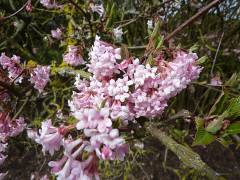
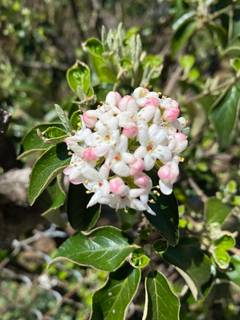
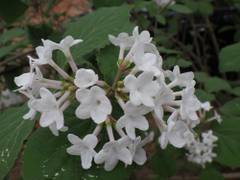
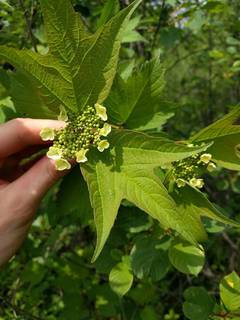
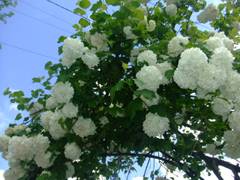
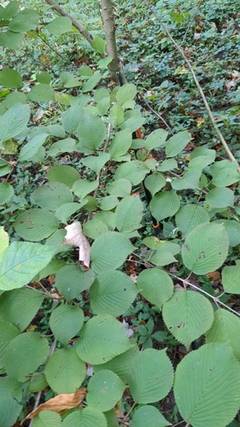
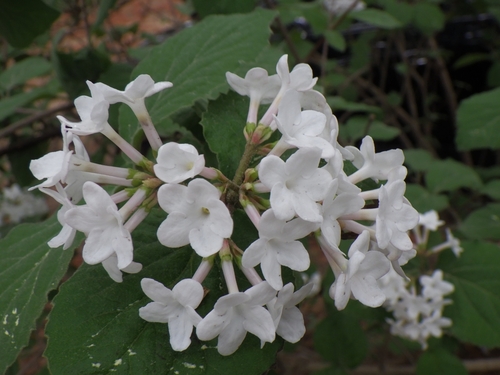
Viburnum is a genus of about 150 to 175 species of shrubs and small trees in the Adoxaceae family, spread across the temperate Northern Hemisphere with some species in tropical mountains of Asia and Latin America. The genus includes both deciduous and evergreen species, ranging from 2 to 30 feet (0.6 to 9 m) tall. Leaves are opposite, simple, and either toothed, lobed like a maple, or smooth-edged, and many deciduous species turn red, purple, or orange in fall. Small white to pink flowers open in flat or domed clusters in spring and early summer; in some species the cluster is ringed or filled with larger sterile florets, as in the snowball viburnums, and several species carry a strong sweet scent. Fertilized flowers produce berry-like drupes in red, blue, or black that ripen in late summer and fall and draw birds. Many viburnums need a second, compatible plant nearby for reliable fruit set. The viburnum leaf beetle has spread across parts of North America and can defoliate and kill susceptible species, which is the main limitation on the genus.
Native Range
Viburnum is most diverse in the temperate Northern Hemisphere across North America, Europe, and Asia, with additional species in the mountains of Southeast Asia and South America. North American natives include V. dentatum, V. lentago, V. prunifolium, and V. trilobum.Suggested Uses
Grown as specimen and screening shrubs, in mixed and shrub borders, and in hedges, with fragrant species placed near paths and entries. Fruiting species are used in wildlife and native plantings, where the berries feed birds. Spring flowers draw bees, butterflies, and other pollinators.How to Identify
Appearance
Size & Dimensions
Height2' - 30'
Width/Spread2' - 15'
Bloom Information
Most species flower from mid-spring to early summer, roughly April to June, with evergreen species sometimes opening earlier. The white or pink clusters last two to four weeks, and fragrant species perfume the air around them. Snowball forms hold their rounded white heads longer but set no fruit. Berries ripen from August through fall.
Detailed Descriptions
Flower Description
white to pinkFoliage Description
greenGrowing Conditions
Sun Requirements
Requires 4-8 hours of direct sunlight daily
• Full Sun: 6+ hours of direct sunlight
• Partial Shade: 3-6 hours of direct sunlight
• Full Shade: Less than 3 hours of direct sunlight
Care & Maintenance
Care Guide
Plants in this genus grow in full sun to part shade and adapt to most moist, well-drained soils across pH 5.5-7.5, with evergreen species preferring shelter from cold, drying wind. Established plants tolerate moderate drought but flower and fruit more freely with steady moisture. Most species need little feeding and grow at a moderate pace. Planting two different but compatible selections improves cross-pollination and fruit set in species that need it. Viburnum leaf beetle, aphids, powdery mildew, and root rot in wet soil are the main problems. Hardiness spans USDA zones 2-9 depending on species.Pruning
Prune deciduous species right after flowering, since many set next year's flower buds in summer. Remove dead, weak, or crossing stems and thin crowded growth to open the center. Overgrown shrubs of many species resprout when cut back hard in late winter, at the cost of that season's flowers and fruit.Container Growing
Suitable for container growing
Minimum container size: 7 gallons