Veronica, Genus, ×, Hybrid, franciscana, Species,
- Genus & species
- Hybrid
hedge veronica
Overview
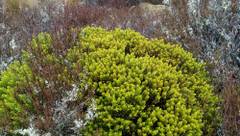
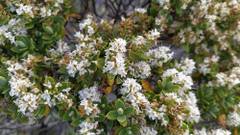
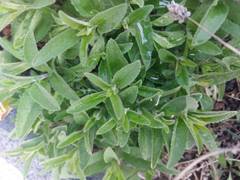
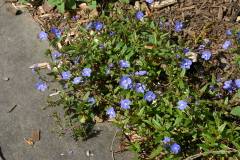
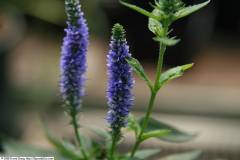
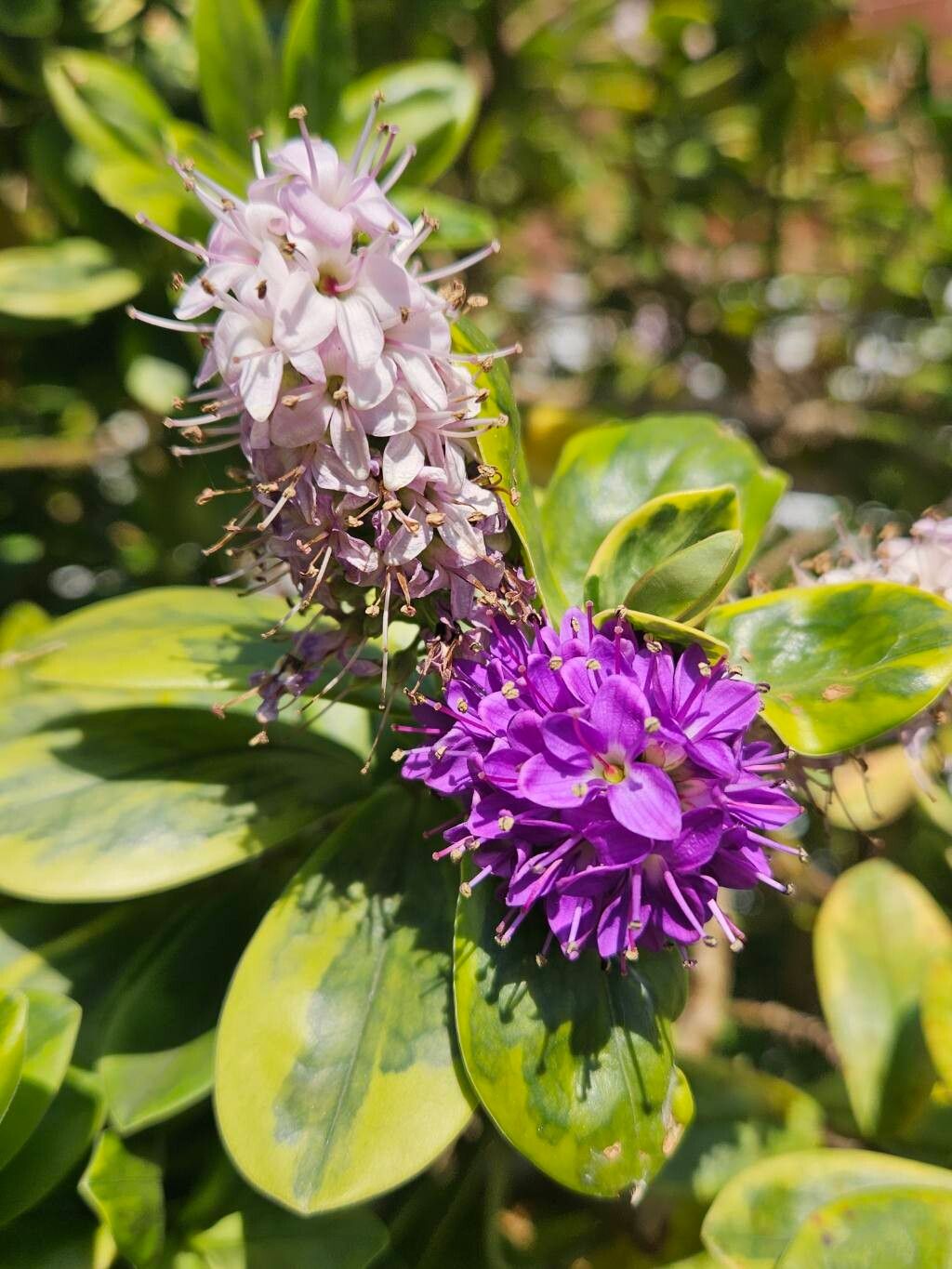
Veronica × franciscana, widely known as a shrubby hebe, is an evergreen shrub of garden hybrid origin between New Zealand Veronica (Hebe) species. It forms a dense, rounded mound 2–4 feet (60–120 cm) tall and 3–5 feet (90–150 cm) wide, with thick, glossy, oblong leaves 1–2 inches (2.5–5 cm) long arranged in neat opposite ranks along the stems. From summer into autumn it bears short, dense spikes 1.5–3 inches (4–8 cm) long of small violet to purple flowers, often with several spikes clustered near the stem tips. It grows in full sun to light shade in well-drained soil and tolerates salt spray, wind, and coastal exposure, which makes it common in seaside plantings. The shrub is frost-tender, damaged below about 20°F (-7°C), so it is grown outdoors mainly in USDA zones 9 to 10 and mild maritime climates. In colder or wet, poorly drained soils it is short-lived and prone to root rot and downy mildew. Light, regular trimming keeps the mound compact, as old plants become open and woody at the base.
Native Range
Veronica × franciscana is a hybrid of garden origin between shrubby Veronica species native to New Zealand, where the group grows on coastal cliffs and lowland scrub. It does not occur as a wild species.Suggested Uses
Used as a low hedge, foundation shrub, or mass planting in mild and coastal gardens, spaced 3–4 feet (90–120 cm) apart, and in containers on sheltered patios. Tolerance of salt and wind suits seaside and exposed sites. Its frost sensitivity limits outdoor use to mild-winter regions.How to Identify
Appearance
Size & Dimensions
Height2' - 4'
Width/Spread3' - 5'
Bloom Information
Detailed Descriptions
Flower Description
violet to purpleFoliage Description
glossy dark greenGrowing Conditions
Sun Requirements
Requires 5-10 hours of direct sunlight daily
• Full Sun: 6+ hours of direct sunlight
• Partial Shade: 3-6 hours of direct sunlight
• Full Shade: Less than 3 hours of direct sunlight
Care & Maintenance
Care Guide
Growth is strongest in full sun to light shade on moist but well-drained soil of average fertility. Even moisture suits young plants, while waterlogged or heavy soil causes root rot. The shrub withstands salt spray and wind, which makes it common in coastal gardens, but it is damaged by frost below about 20°F (-7°C). Light feeding in spring supports growth in poor soils. Downy mildew and leaf spot can appear in humid, crowded conditions. Hardiness is limited to USDA zones 9 to 10 and mild maritime areas.Pruning
A light trim after the main flowering flush removes spent spikes and keeps the mound dense. Cutting back into bare old wood is generally limited, as hebes are slow to regrow from leafless stems. Removing frost-damaged shoots in spring restores the shape.Pruning Schedule
Prune: August–September
summer
Container Growing
Suitable for container growing
Minimum container size: 5 gallons