Image 1 of 17
Plant Reference
1 / 17
Veronica, Genus, spicata, Species,
- Genus & species
veronica, speedwell
Western Europe east through eastern Europe, Central Asia, and Siberia to China; dry grasslands, heathland, rocky slopes, and open woodland edges.
Overview
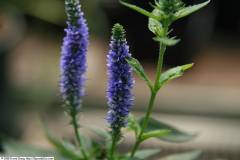
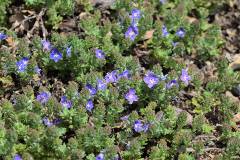
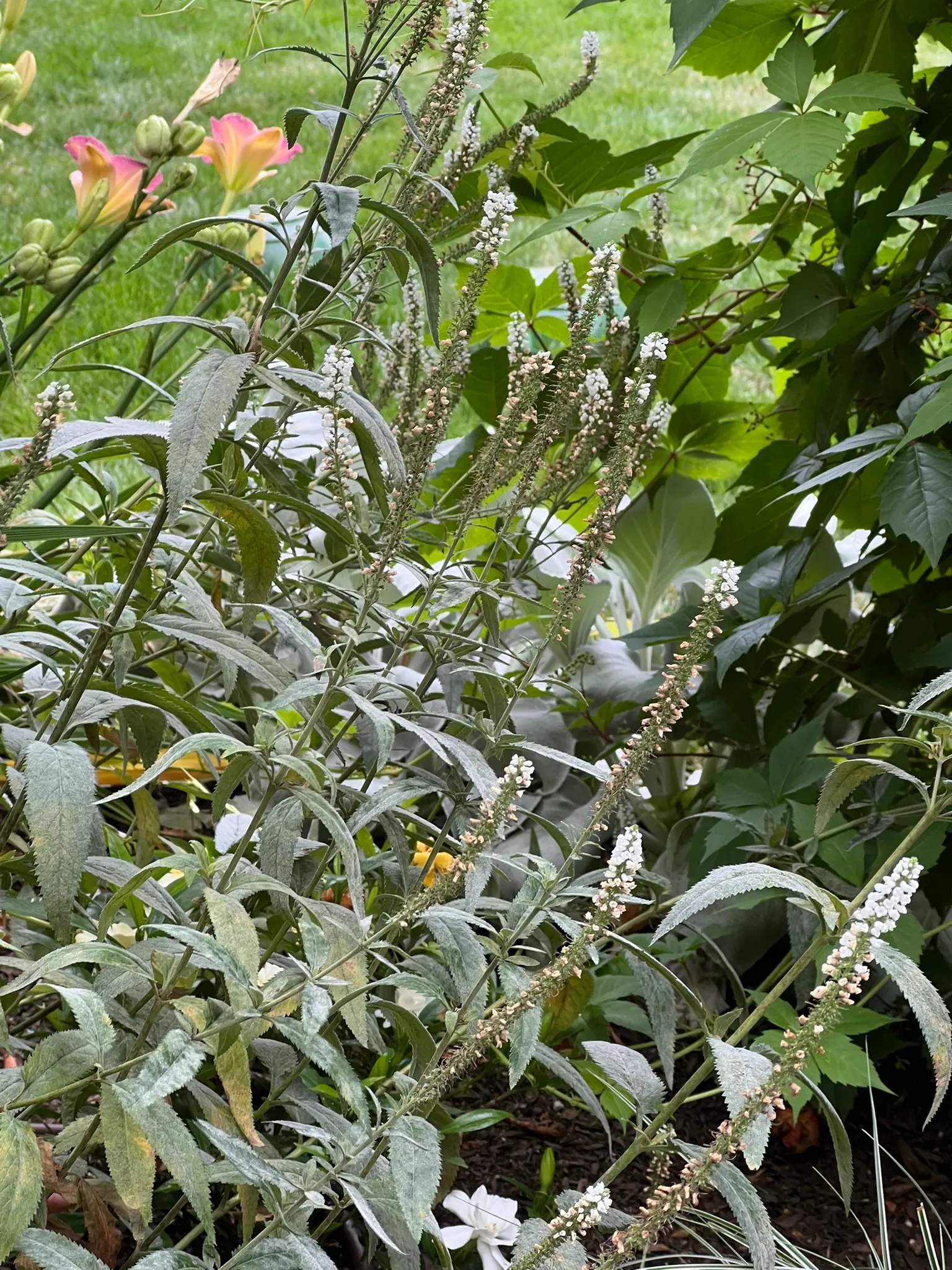
Veronica spicata is a compact, clump-forming herbaceous perennial reaching 12-18 inches (30-45 cm) tall and wide, forming neat basal mounds of narrow lance-shaped to ovate toothed leaves 1-3 inches (2.5-8 cm) long in mid-green to gray-green. Erect unbranched stems carry dense tapering flower spikes 3-5 inches (8-13 cm) long of tightly packed small four-petaled flowers that open progressively from the base of the spike upward to the tapering tip. The species flowers in deep blue to blue-violet; cultivars extend the color range through lavender, pink, rose, and white, including 'Royal Candles' (blue), 'Red Fox' (deep rose-pink), and 'Icicle' (white). Hardy in USDA zones 3-8 (-40°F / -40°C). Deadheading spent spikes to the nearest lateral bud after the first flush often produces a smaller second flush in late August-September, extending the total bloom period to 10-12 weeks. Crown rot develops in consistently wet winter soils, limiting lifespan in heavy clay; on free-draining ground plants persist 5-7 years before requiring division.
Native Range
Veronica spicata is native to a wide range from western Europe (Britain, France, Germany) east through eastern Europe, Central Asia, and Siberia to China. It grows in dry grasslands, heathland, rocky slopes, and open woodland edges on well-drained, neutral to slightly alkaline soils.Suggested Uses
Planted in mixed perennial borders, cottage gardens, rock gardens, pollinator beds, and containers of 3 gallons (11 L) or more at 12-15 inch (30-38 cm) spacing in USDA zones 3-8. The compact 12-18 inch (30-45 cm) habit and long summer bloom suit the front and middle of herbaceous borders. Blue cultivars such as 'Royal Candles' combine with yellow Coreopsis, white Achillea, and silver-leaved companions. Cut stems hold 7-10 days in a vase when cut as the lower half of the spike begins opening. Not grown in heavy clay or consistently wet soils, where crown rot reduces lifespan to 2-3 years.How to Identify
Appearance
Size & Dimensions
Height1' - 1'6"
Width/Spread1' - 1'6"
Bloom Information
Dense tapering flower spikes 3-5 inches (8-13 cm) long open progressively from the base upward from June through August, with each individual spike remaining in color for 4-6 weeks. Deadheading spent spikes to the nearest lateral bud or basal foliage immediately after the first flush often produces a smaller second flush in late August-September, for a total bloom span of 10-12 weeks with the cutback. Bees and butterflies work the flowers during bloom.
Detailed Descriptions
Flower Description
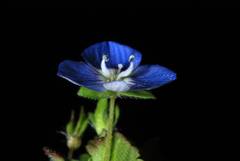
Deep blue to blue-violet in the species; dense tapering spikes 3-5 inches (8-13 cm) long of densely packed small four-petaled flowers opening progressively from the spike base upward to the tapering tip; June-AugustFoliage Description
Mid-green to gray-green; narrow lance-shaped to ovate, with toothed margins; forming compact basal moundsGrowing Conditions
Sun Requirements
Requires 4-8 hours of direct sunlight daily
• Full Sun: 6+ hours of direct sunlight
• Partial Shade: 3-6 hours of direct sunlight
• Full Shade: Less than 3 hours of direct sunlight
Care & Maintenance
Care Guide
Plants grow in full sun to light shade in average, well-drained, neutral to slightly alkaline soil with a pH of 6.0-7.5. Hardy in USDA zones 3-8 (-40°F / -40°C). Plants tolerate drought once established. In consistently wet winter soils or heavy clay, crown rot develops and plants are short-lived at 2-3 years; in free-draining loam or sandy loam, plants persist 5-7 years before requiring division. No staking is required in full sun; stems flop in shade or in rich soils. Divide every 3-4 years in early spring when the center of the clump thins.Pruning
Cut spent spikes back to the nearest lateral bud or the basal foliage mound immediately after the first flush to induce a smaller second flush in late August-September. Cut all remaining stems to 2-3 inches (5-8 cm) above ground in late fall or early spring. Divide every 3-4 years in early spring by separating the clump into sections with several shoots each and replanting at 12-15 inch (30-38 cm) spacing.Pruning Schedule
Prune: March & July–August
summerearly spring
Container Growing
Suitable for container growing
Minimum container size: 3 gallons