Image 1 of 16
1 / 16
Plant Reference
Veronica, Genus, (Hebe, Species, Group), Subspecies,
- Genus & species
- Subspecies
hebe
Predominantly New Zealand; some species from southeastern Australia, New Guinea, and South America; coastal to alpine habitats
Overview
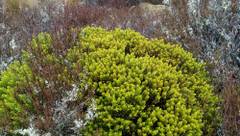
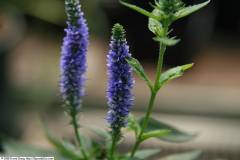
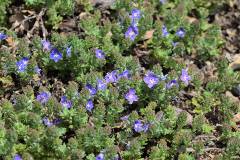
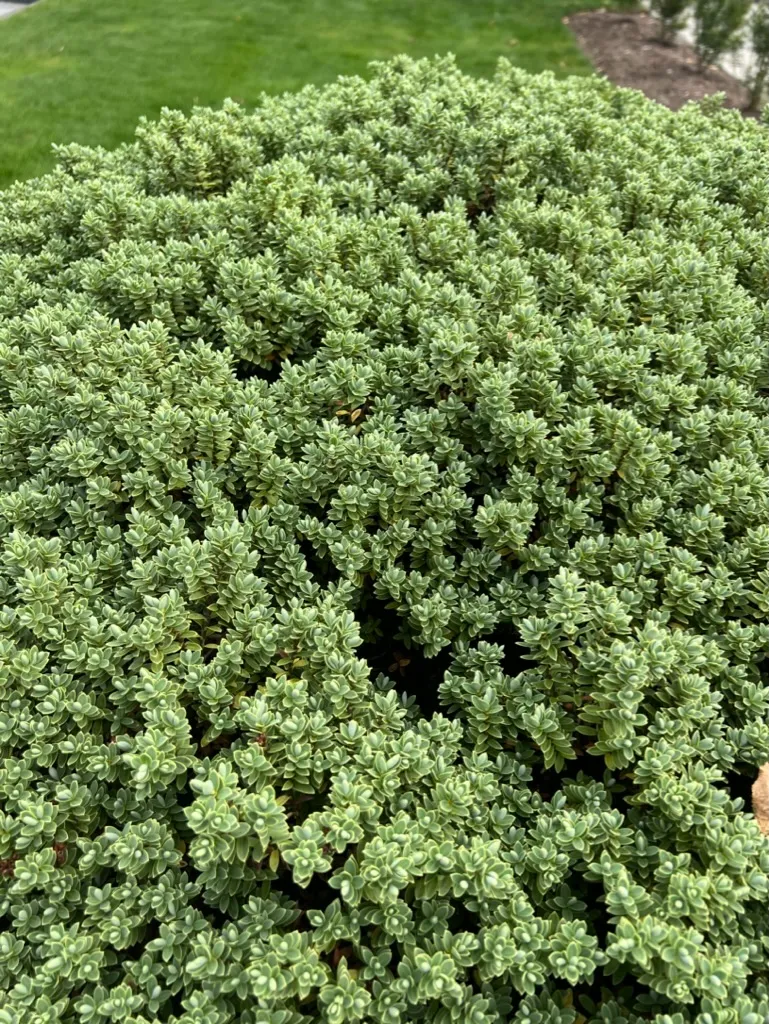
Veronica spp. (hebes) are evergreen shrubs growing 1-6 feet (30-180 cm) tall and 2-5 feet (60-150 cm) wide. Flower racemes in white, blue, purple, or pink, 1-4 inches (2.5-10 cm), in June-September (up to 10 weeks). Two main foliage types: broadleaf (glossy opposite leaves) and whipcord (tiny scale-like leaves on cord-like stems resembling conifers). In Plantaginaceae. Formerly Hebe — reclassified to Veronica. Predominantly native to New Zealand. The limited cold hardiness (zone 7) is the primary climatic restriction — large-leaved species are less hardy. Downy mildew and Septoria in humid conditions. Short-lived (5-10 years). Tolerates salt spray and coastal wind. Non-toxic. Deer-resistant. Zones 7-10. Full sun to partial shade. Growth rate is moderate.
Native Range
Predominantly native to New Zealand (the largest woody genus in the NZ flora). Some species from southeastern Australia, New Guinea, and South America.Suggested Uses
Grown in coastal gardens, borders, and in containers of at least 5 gallons (19 L), spaced 2-5 feet (60-150 cm). Salt-tolerant. Zone 7+. Short-lived. Non-toxic. Zones 7-10.How to Identify
Appearance
Size & Dimensions
Height1' - 6'
Width/Spread2' - 5'
Bloom Information
Detailed Descriptions
Flower Description
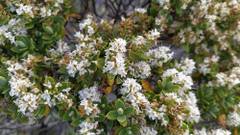
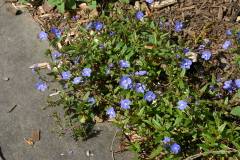
White, blue, purple, or pink (species dependent), in axillary racemes 1-4 inches (2.5-10 cm); June-September; some species bloom intermittently spring through fallFoliage Description
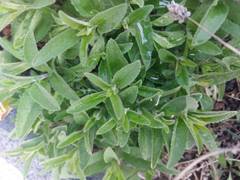
Variable by species — glossy dark green to gray-green in broadleaf types; golden, bronze, or olive-green in whipcord types (whipcord = tiny scale-like leaves pressed flat against cord-like stems, resembling conifers); opposite, decussate (4-ranked); evergreen year-roundGrowing Conditions
Sun Requirements
Requires 4-10 hours of direct sunlight daily
• Full Sun: 6+ hours of direct sunlight
• Partial Shade: 3-6 hours of direct sunlight
• Full Shade: Less than 3 hours of direct sunlight
Care & Maintenance
Care Guide
Full sun to partial shade (4-10 hours). Well-drained soil pH 5.5-7.5. Tolerates salt spray and coastal wind. Limited cold hardiness — zone 7 (large-leaved species less hardy). Downy mildew and Septoria in humid conditions. Short-lived (5-10 years). Prune after flowering. Non-toxic. Deer-resistant. Zones 7-10.Pruning
Prune after flowering (August-September) to maintain compact form. Remove spent racemes. Cut back by one-third if leggy. Do not cut into old bare wood on whipcord types.Pruning Schedule
Prune: August–September
summer
Container Growing
Suitable for container growing
Minimum container size: 5 gallons