Image 1 of 9
1 / 9
Plant Reference
Veronica, Genus, odora, Species,
- Genus & species
boxleaf hebe
New Zealand — North and South Islands; subalpine and montane rocky slopes and scrubland at 2,000–5,000 feet (600–1,500 m)
Overview
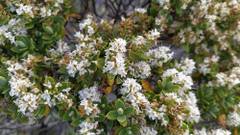
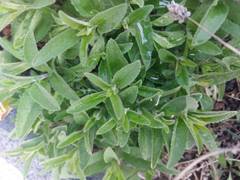
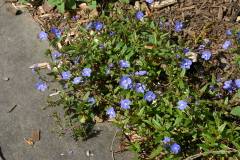
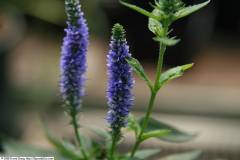
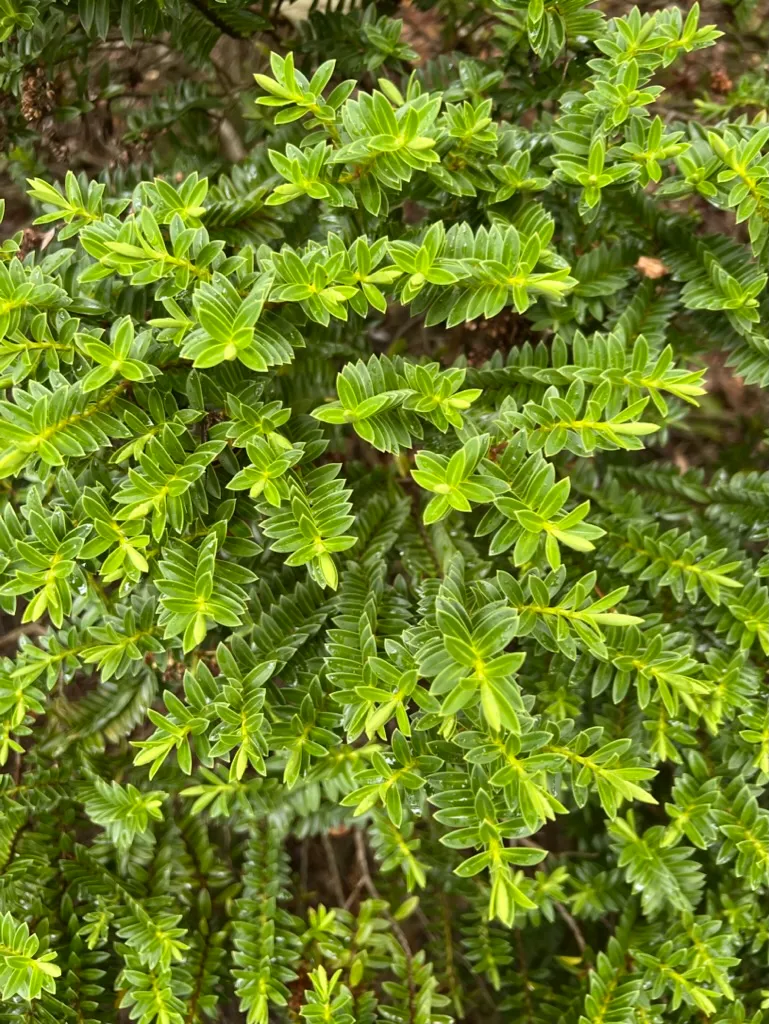
Veronica odora (boxleaf hebe, sweet-scented speedwell) is a compact mounding evergreen shrub growing 12–24 inches (30–60 cm) tall and 18–30 inches (45–75 cm) wide. White lightly fragrant flowers in short dense terminal racemes 0.5–1 inch (1.3–2.5 cm) appear May–July (about 7 weeks). Glossy dark green thick closely overlapping (imbricate) leaves 0.3–0.5 inch (8–13 mm) sit in 4 ranks along the stems, producing a scale-like texture comparable to Buxus foliage. The species belongs to Plantaginaceae and was formerly placed in Hebe as H. odora or H. buxifolia before reclassification on molecular grounds. The specific epithet odora refers to the lightly sweet-scented flowers. Native to subalpine and montane sites in New Zealand. Cold hardiness extends to USDA zone 7 (about 0°F / -18°C); colder zones cause stem dieback or plant loss. Foliage may tinge purple in winter cold. Soil moisture must remain consistent — the plant is not drought-tolerant, and prolonged dry spells cause leaf scorch and twig dieback. Downy mildew and septoria leaf spot occur in humid stagnant conditions. Non-toxic. Deer-resistant. Hardy in zones 7–10.
Native Range
Native to New Zealand — subalpine and montane areas of North and South Islands, on rocky slopes and scrubland at 2,000–5,000 feet (600–1,500 m).Suggested Uses
Used as compact evergreen border edging, in rock gardens, on low retaining walls, and in containers of at least 3 gallons (11 L), spaced 18–30 inches (45–75 cm). The boxwood-like texture supplies year-round form in mixed plantings within zones 7–10.How to Identify
Appearance
Size & Dimensions
Height1' - 2'
Width/Spread1'6" - 2'6"
Bloom Information
Detailed Descriptions
Flower Description
White; small; 4-petaled; 0.2-0.3 inch (5-8 mm); in short dense terminal racemes 0.5-1 inch (1.3-2.5 cm); lightly sweet-scentedFoliage Description
Glossy dark green; thick; closely overlapping (imbricate) on the stems in 4 ranks; 0.3-0.5 inch (8-13 mm); may tinge purple in winter cold; evergreen year-roundGrowing Conditions
Sun Requirements
Requires 4-10 hours of direct sunlight daily
• Full Sun: 6+ hours of direct sunlight
• Partial Shade: 3-6 hours of direct sunlight
• Full Shade: Less than 3 hours of direct sunlight
Care & Maintenance
Care Guide
Grows in full sun to partial shade with 4–10 hours of direct light. Soil pH 5.5–7.0 in well-drained loam or sand. Soil moisture must remain consistent — the plant is not drought-tolerant. Cold hardiness extends to USDA zone 7 (about 0°F / -18°C). Spacing and air circulation reduce downy mildew and septoria leaf spot in humid stagnant conditions. Spent racemes can be sheared off after bloom. Non-toxic to people and pets. Deer-resistant. Suitable for zones 7–10.Pruning
Prune after flowering in July–August to maintain the compact dome shape and to remove spent flower racemes. Tolerates moderate shaping cuts into year-old wood. Hard renovation into bare older wood produces inconsistent regrowth.Pruning Schedule
Prune: July–August
summer
Container Growing
Suitable for container growing
Minimum container size: 3 gallons