Veronica, Genus, sublobata, Species,
- Genus & species
pink ivy-leaved speedwell
SunPart Shade – Full Shade
WaterMedium
Overview
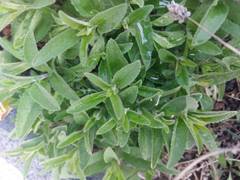
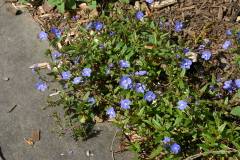
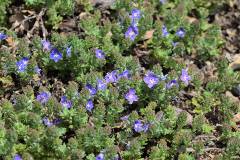
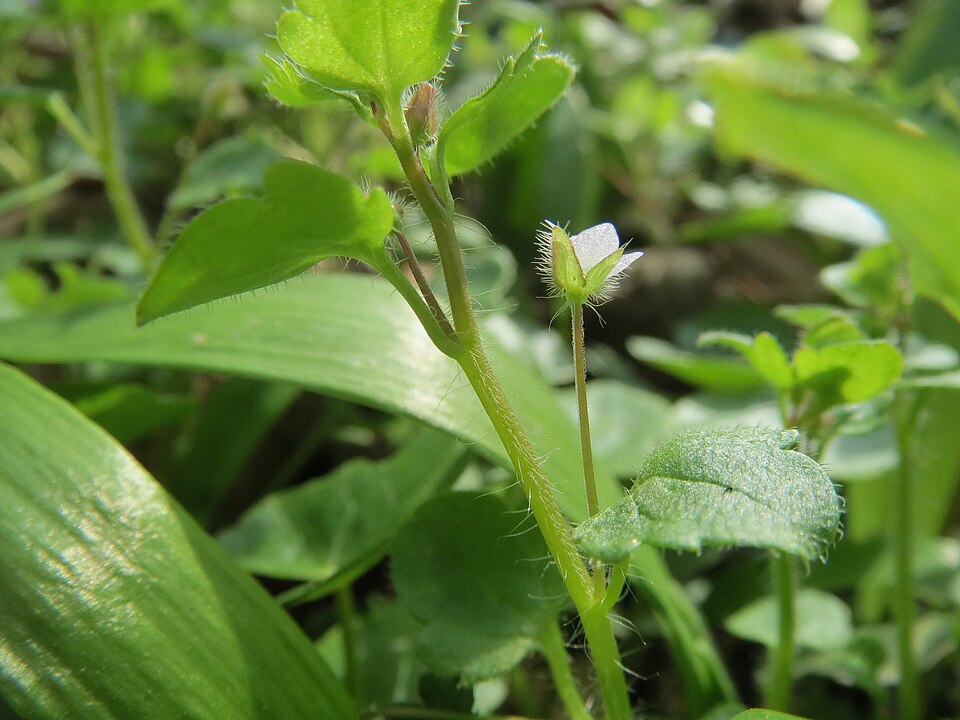
Veronica sublobata is a small, sprawling winter annual with weak trailing stems 2-12 inches (5-30 cm) long that branch from the base and lie close to the ground. The leaves are broadly rounded with 3-5 shallow lobes, 0.3-0.8 inch (8-20 mm) wide, pale green, softly hairy, and shaped somewhat like ivy. Single small flowers, about 0.15 inch (4 mm) across, sit on slender stalks in the leaf axils; they are pale lilac to whitish with darker veins and pinkish anthers. It germinates in autumn, overwinters as a low spread of leafy stems, and flowers in early spring before setting rounded two-lobed seed capsules and dying by early summer. The species favours shaded, moist, disturbed ground such as woodland edges, hedge banks, and cultivated soil, and is often treated as a garden weed. It is one of several closely related microspecies split from Veronica hederifolia, separated by its smaller, paler flowers, pink anthers, and preference for shade. Plants are shallow-rooted and pull up easily.
Native Range
Veronica sublobata is native to Europe and western Asia, growing in deciduous woodland, scrub, hedgerows, and disturbed cultivated ground. It has spread with cultivation into other temperate regions.Suggested Uses
Rarely planted by choice, it appears as a spring ground-flora annual in woodland and shaded, cultivated soil. In naturalistic and wildlife settings its early flowers add minor interest among emerging perennials.How to Identify
Appearance
Size & Dimensions
Height2" - 4"
Width/Spread6" - 1'4"
Bloom Information
Small pale lilac flowers open from March to May, one or a few at a time in the leaf axils. Each flower lasts a day or so, with bloom continuing as the stems lengthen. The flowers self-pollinate readily, so seed sets even in dull spring weather.
Detailed Descriptions
Foliage Description
pale greenGrowing Conditions
Sun Requirements
Requires 2-6 hours of direct sunlight daily
• Full Sun: 6+ hours of direct sunlight
• Partial Shade: 3-6 hours of direct sunlight
• Full Shade: Less than 3 hours of direct sunlight
Water & Climate
Water Needs
Care & Maintenance
Care Guide
As a winter annual it needs no cultivation and completes its cycle on moist, shaded, disturbed ground. Seed germinates in autumn, and seedlings overwinter as low leafy stems that resume growth in early spring. It prefers cool, damp, partly shaded soil and fades quickly as the ground warms and dries. Where it is unwanted in beds, shallow hoeing or hand-pulling before seed set clears it. It needs no feeding or watering and renews from its own seed bank. Soil disturbance in autumn tends to bring fresh flushes of seedlings.Pruning
No pruning applies to this short-lived annual. Plants are pulled or hoed off before the capsules ripen where seeding is unwanted. The whole plant dies back naturally by early summer.Toxicity
Non-toxicPlanting Guide
Planting Methods & Timing
Planting Method
direct sow
Direct Sow Timing
Self-sows in autumn for spring flowering