Veronica, Genus, officinalis, Species,
- Genus & species
heath speedwell
Overview
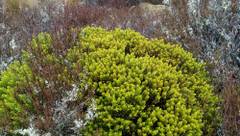
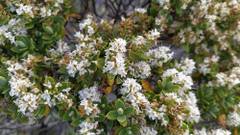
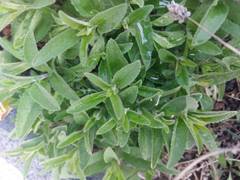
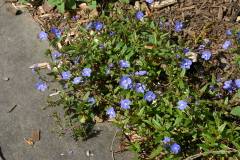
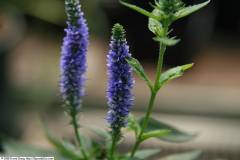
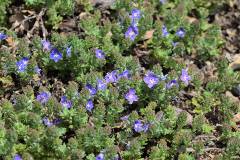
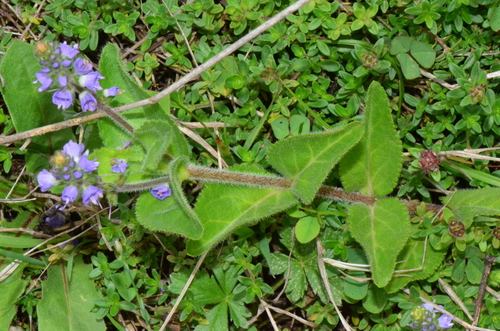
Veronica officinalis is a low, mat-forming perennial growing 2-12 inches (5-30 cm) tall, with creeping, hairy stems that root at the nodes and turn upward at the tips. The oval to elliptic leaves are 0.5-1.5 inches (1.3-4 cm) long, gray-green, hairy, with finely toothed margins, in opposite pairs. Slender upright spikes carry many small pale lilac to lavender-blue flowers about 0.25 inch (6 mm) across, each with four unequal lobes and two protruding stamens, from May to August. The fruit is a flattened heart-shaped capsule. Plants spread by creeping rooting stems to form loose mats over the ground. Growth is dense in open, sunny spots and thinner in shade. The species roots as it spreads but is not strongly competitive against taller vegetation. Foliage is semi-evergreen, persisting through mild winters and dying back in hard cold. It grows in acidic grassland, heaths, and open woodland on poor soils.
Native Range
Native to Europe and western Asia, and naturalized in eastern North America. Grows in dry acidic grassland, heaths, open woods, and hillside pastures on poor, well-drained soils.Suggested Uses
Used as a groundcover in rock gardens, on banks, between paving, and in wildflower lawns, spaced 9-12 inches (23-30 cm) apart. Suits low-traffic paths and naturalistic plantings on poor acidic soils. The spreading habit can crowd small neighbors in confined plantings.How to Identify
Appearance
Size & Dimensions
Height2" - 1'
Width/Spread1' - 1'6"
Bloom Information
Detailed Descriptions
Flower Description
pale lilac to lavender-blueFoliage Description
gray-greenGrowing Conditions
Sun Requirements
Requires 4-8 hours of direct sunlight daily
• Full Sun: 6+ hours of direct sunlight
• Partial Shade: 3-6 hours of direct sunlight
• Full Shade: Less than 3 hours of direct sunlight
Care & Maintenance
Care Guide
Grows in full sun to partial shade in poor to average, well-drained, slightly acidic soil. Tolerates drought once established and needs little supplemental water. Spreads by creeping rooting stems to form a low groundcover; thin or lift sections to control spread. Tolerates light foot traffic in a lawn or path setting. No serious pests or diseases affect it, though downy mildew can mark leaves in damp, crowded conditions. Foliage stays semi-evergreen in mild winters and can be sheared in spring to refresh growth.Pruning
Shear over the mat after flowering to remove spent spikes and keep growth compact. Cut or pull back creeping stems where the plant spreads beyond its space. No other pruning is needed.Container Growing
Suitable for container growing
Minimum container size: 2 gallons