Veronica, Genus, topiaria, Species,
- Genus & species
topiary hebe
New Zealand (South Island; montane to subalpine scrublands, 2,500–5,000 feet / 750–1,500 m)
Overview
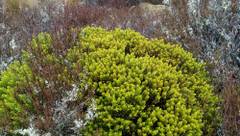
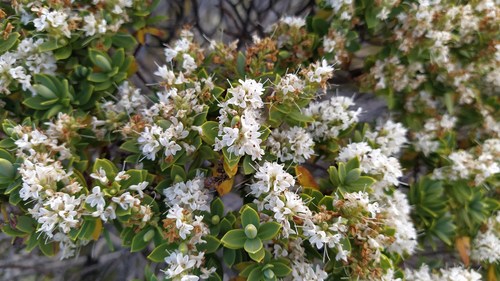
Veronica topiaria (formerly Hebe topiaria) is an evergreen shrub in the plantain family (Plantaginaceae, following the merger of Hebe into Veronica) reaching 3–4 feet (0.9–1.2 m) tall with a spread of 3–4 feet (0.9–1.2 m). The habit is dense, rounded, and symmetrical globe-shaped, with the form developing without pruning; the species epithet 'topiaria' refers directly to this naturally topiary-like outline. Native to New Zealand's South Island, the species occurs in montane to subalpine scrublands at elevations of 2,500–5,000 feet (750–1,500 m). Small oval grey-green leaves 0.5–0.75 inch (1–2 cm) long are carried densely overlapping along the stems. Short spikes 1–2 inches (2.5–5 cm) long of small white flowers open in June–July. Growth rate is slow to moderate at 2–5 inches (5–12 cm) per year. Hardy to zone 7. At 3–4 feet (0.9–1.2 m) mature height, this species reaches roughly double the size of the self-doming V. cupressoides 'Boughton Dome' (12–18 inches / 30–45 cm) and V. 'Emerald Gem' (12–18 inches / 30–45 cm), which suits larger-scale plantings where a structural sphere is wanted. Coastal exposure, salt spray, wind, and drought are tolerated once established. Wet winter soils cause crown rot.
Native Range
Veronica topiaria is native to New Zealand's South Island, where it grows in montane to subalpine scrublands at elevations of 2,500–5,000 feet (750–1,500 m).Suggested Uses
Grown as a structural specimen, in mixed borders, as low hedging at 3–4 foot (0.9–1.2 m) spacing, and in coastal plantings. The grey-green globe form reads as a living topiary and pairs with true dwarf conifers, silver-leaved Helichrysum, and other New Zealand shrubs at contrasting heights. Container culture requires 5 gallon (19 L) or larger pots with sharply drained mix; the mature 3–4 foot (0.9–1.2 m) size requires periodic upsizing. Wet soils, deep shade, humid summer climates with poor drainage, and cold-winter regions below zone 7 produce poor results or plant loss.How to Identify
Appearance
Size & Dimensions
Height3' - 4'
Width/Spread3' - 4'
Bloom Information
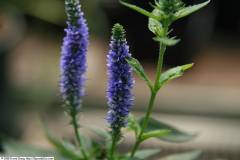
Short spikes 1–2 inches (2.5–5 cm) long of small white flowers open in June–July on the upper stems. Bloom duration is 3–4 weeks. The grey-green globe form is the primary year-round feature; flowers are a secondary seasonal display.
Detailed Descriptions
Flower Description
White, small in short spikes 1-2 inches longFoliage Description
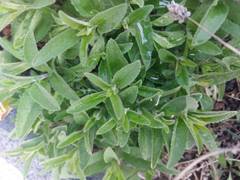
Grey-green, small oval 0.5-0.75 inch densely overlapping along the stemsGrowing Conditions
Sun Requirements
Requires 6-10 hours of direct sunlight daily
• Full Sun: 6+ hours of direct sunlight
• Partial Shade: 3-6 hours of direct sunlight
• Full Shade: Less than 3 hours of direct sunlight
Care & Maintenance
Care Guide
Grows in full sun in well-drained lean to average soil at pH 6.0–7.5, tolerating sand, loam, and rocky substrates. Hardy to zone 7. Sharp drainage is required: wet winter soils cause crown rot in maritime and humid continental gardens. Coastal exposure, salt spray, and wind are tolerated once established. Drought-tolerant once established. No pruning or shearing is needed; the symmetrical globe form develops and maintains itself without intervention.Pruning
No regular pruning is required. The symmetrical globe form develops without shaping. A light trim only if branches are damaged by storm or winter. Heavy shearing disrupts the natural outline and is not recommended.Container Growing
Suitable for container growing
Minimum container size: 5 gallons