Ulmus, Genus, minor, Species,
- Genus & species
field elm
Europe, North Africa, western and central Asia
Overview
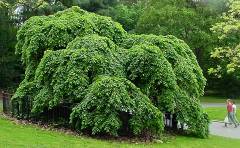
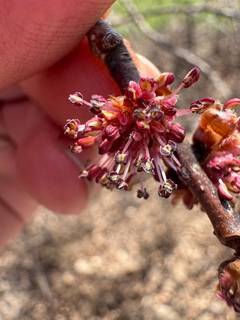
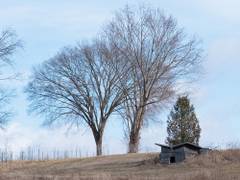
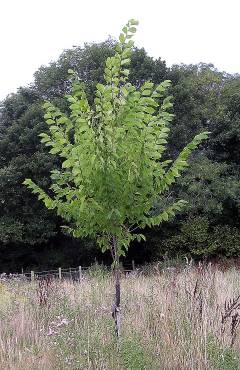
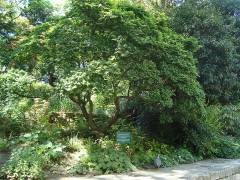
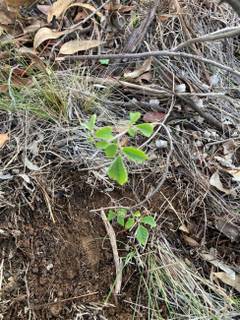
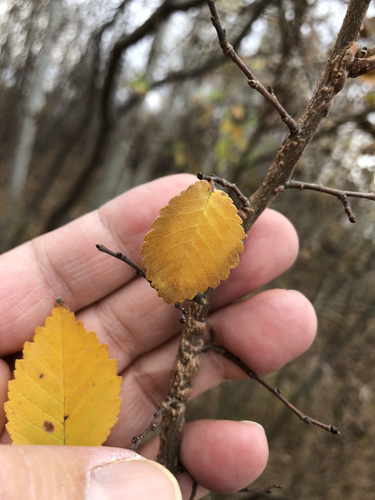
Ulmus minor is a deciduous tree of the elm family, reaching 60-100 feet (18-30 m) tall with a domed to irregular crown and often a suckering base. The glossy, dark green leaves are 1.5-4 inches (4-10 cm) long, oval with a doubly toothed margin and an asymmetric base where one side meets the leaf stalk lower than the other. Small reddish, petalless flowers open in clusters in late winter to early spring before the leaves, followed by flat, winged seeds (samaras) 0.4-0.7 inch (10-18 mm) wide with the seed set toward the notched tip. Bark is grey-brown and develops deep, criss-crossing ridges with age. The tree suckers readily from the roots, forming thickets and regrowing after the trunk dies. Across Europe it has been devastated by Dutch elm disease, a fungal infection spread by bark beetles that kills most mature trees before they reach full size, so surviving specimens are now mostly young suckers. It tolerates a wide range of soils, drought, wind, and urban conditions but remains vulnerable to the disease.
Native Range
Native to southern, western, and central Europe, North Africa, and western and central Asia, from the British Isles and Iberia east to Iran. It grows in lowland woods, hedgerows, riverbanks, and floodplains.Suggested Uses
Used as a shade and street tree, in hedgerows, and in windbreaks on a wide range of sites, spaced 25-40 feet (7.5-12 m) apart. Disease-resistant selections are planted where Dutch elm disease is present.How to Identify
Appearance
Size & Dimensions
Height60' - 100'
Width/Spread40' - 60'
Bloom Information
Detailed Descriptions
Foliage Description
dark greenGrowing Conditions
Sun Requirements
Requires 6-10 hours of direct sunlight daily
• Full Sun: 6+ hours of direct sunlight
• Partial Shade: 3-6 hours of direct sunlight
• Full Shade: Less than 3 hours of direct sunlight
Care & Maintenance
Care Guide
Grows in full sun to part shade on most soils, from clay to sand and chalk, at a pH of 5.5-8.0, tolerating both wet and dry ground. It withstands drought, wind, salt, and compacted urban soil once established. The main constraint is Dutch elm disease, which kills most mature trees; planting disease-resistant cultivars or hybrids lowers the risk. It is grown from seed, suckers, or cuttings and grows quickly when young. Hardy in zones 4-8, it leafs out early and may be caught by late frosts. Roots are vigorous and can lift paving or invade drains near structures.Pruning
Prune in late summer or autumn to avoid the spring sap flow and the beetle activity that spreads Dutch elm disease. Remove dead, diseased, or crossing branches and any unwanted suckers. Formative pruning when young establishes a sound branch structure.Pruning Schedule
Prune: August–September
summerfall