Ulmus, Genus, ×, Hybrid, elegantissima, Species, 'Jacqueline Hillier', Cultivar,
- Genus & species
- Hybrid
- Cultivar
Jacqueline Hillier elm tree
Cultivar from West Midlands, England; parent species native to Europe
Overview
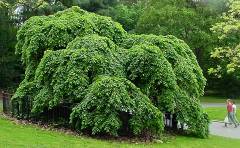
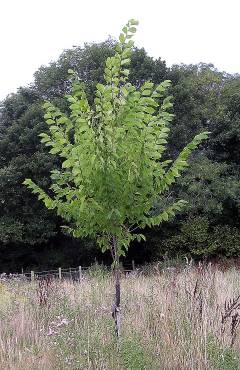
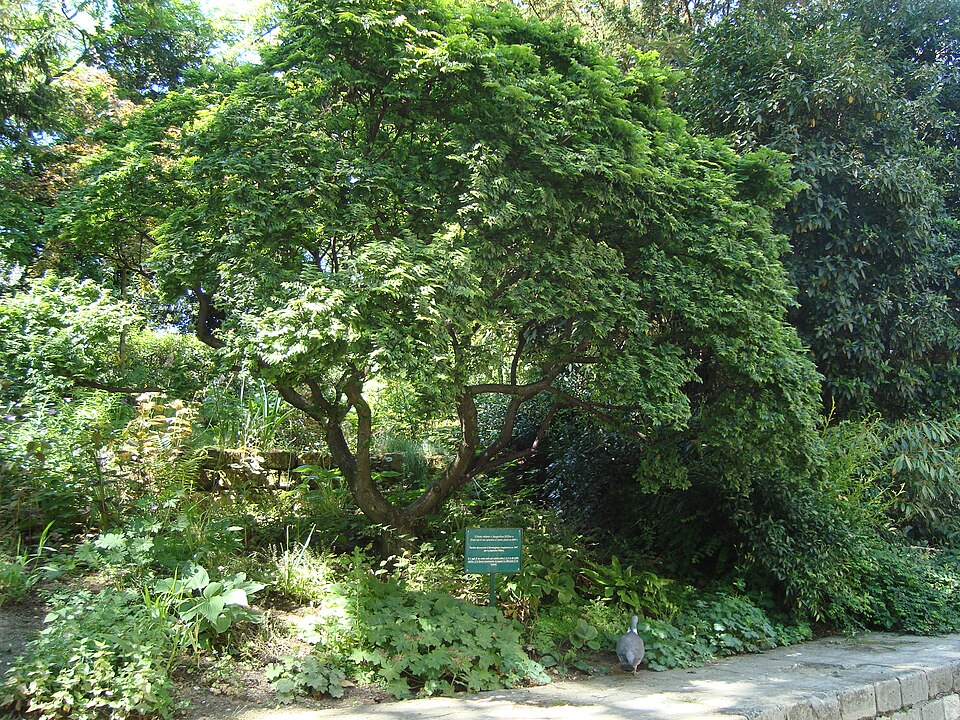
Ulmus × elegantissima 'Jacqueline Hillier' is a deciduous dwarf elm cultivar reaching 8-10 feet (2.4-3 m) tall and 6-8 feet (1.8-2.4 m) wide at maturity, with a dense rounded to vase-shaped crown and twiggy branching. Found by Jacqueline Hillier at Hillier Nurseries in West Midlands, England, in 1968. Bark gray-brown, rough on older wood. Leaves alternate, 0.5-1 inch (1.3-2.5 cm) long, ovate with doubly serrate margins; medium green in summer, turning yellow in fall. Branchlets are slender, brown, and hold leaves in two ranks producing a herringbone pattern. Reddish-brown flowers and samaras are produced sparingly and are seldom observed in cultivation. Growth rate 6-12 inches (15-30 cm) per year, slower than full-size elm cultivars. Often pruned as a shrub, hedge, or trained as a bonsai subject. Resistant to Dutch elm disease and tolerates urban pollution; foliage may scorch on south-facing walls in zones 7-8.
Native Range
Ulmus × elegantissima is a hybrid of U. plotii and U. minor, with both parent species native to Europe. The hybrid arose in cultivation in the United Kingdom in the early 20th century. The 'Jacqueline Hillier' cultivar originated in 1968 at Hillier Nurseries in the West Midlands of England and is not found in wild populations.Suggested Uses
Commonly planted in mixed shrub borders, foundation plantings, and as a small accent in zones 5-7 with 6-8 foot (1.8-2.4 m) spacing. Used in bonsai cultivation due to small leaves and twiggy branching that respond to wire training. Tolerates urban pollution, compacted soils, and partial shade; performance is reduced in continuously wet sites or sites with deep summer drought.How to Identify
Appearance
Size & Dimensions
Height8' - 10'
Width/Spread6' - 8'
Bloom Information
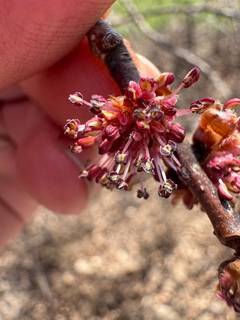
Reddish-brown clusters of small bisexual flowers open before leaves in March or early April; flowering is sparse and often absent in young or heavily pruned plants. When samaras form, they are 0.2-0.3 inch (5-8 mm) across and mature in May. Wind disperses the small samaras within 100 feet (30 m) of the parent plant. Bloom timing follows the species range, with later bloom in cooler northern zones.
Detailed Descriptions
Foliage Description
medium green in summer; turns yellow in fallGrowing Conditions
Sun Requirements
Requires 4-12 hours of direct sunlight daily
• Full Sun: 6+ hours of direct sunlight
• Partial Shade: 3-6 hours of direct sunlight
• Full Shade: Less than 3 hours of direct sunlight
Care & Maintenance
Care Guide
Newly planted shrubs require 5-8 gallons (19-30 L) of water per week during the first growing season, decreasing to bi-weekly watering during the second season. Mature plants tolerate 2-4 weeks of summer drought without leaf drop in zones 5-7; longer drought causes premature leaf yellowing. A 2-inch (5 cm) layer of organic mulch in a 2-3 foot (60-90 cm) radius around the trunk reduces lawn competition. Annual fertilization is unnecessary on most soils. Resistant to Dutch elm disease in inoculation trials; elm leaf beetle damage is rare on this cultivar due to small leaf size and dense branching. Foliage may scorch on hot south-facing walls in zones 7-8 in temperatures above 90°F (32°C).Pruning
Pruning is performed in late winter from January through February while the plant is dormant; light shaping cuts can occur in summer after flowering. Plants tolerate hard rejuvenation pruning back to 12-18 inches (30-45 cm), with full canopy regrowth within 2-3 growing seasons. Removal of dead twigs annually keeps the herringbone branching pattern visible. The plant responds to bonsai techniques including pinching and root pruning.Pruning Schedule
Prune: January–February
winter
Container Growing
Suitable for container growing
Minimum container size: 5 gallons