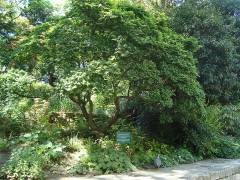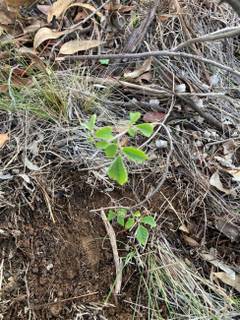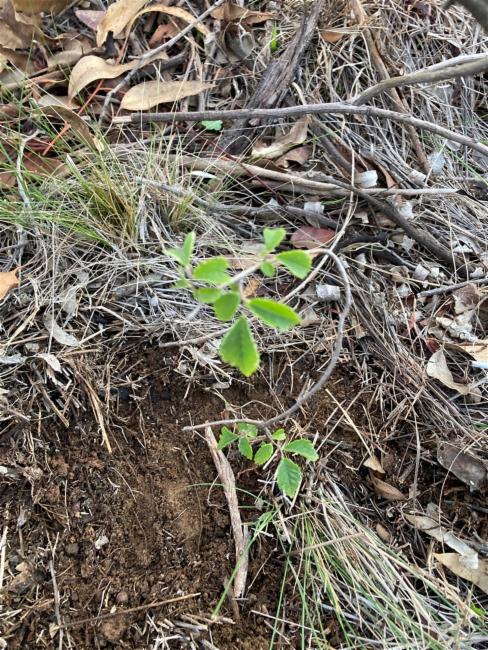
Ulmus, Genus, spp., Multiple species,
- Genus
- Multiple species
elms
Temperate Northern Hemisphere (North America, Europe, and Asia), with a center of diversity in East Asia
Overview
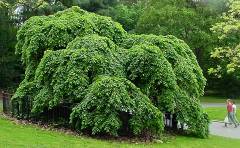
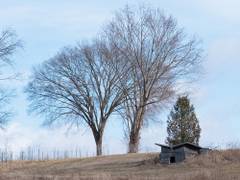
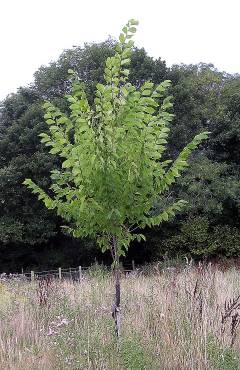
Ulmus is a genus of about 30 to 40 species of deciduous and semi-deciduous trees in the Ulmaceae family, native across the temperate Northern Hemisphere from North America through Europe and Asia. Trees typically reach 40-100 feet (12-30 m) tall, and several species, including American elm (U. americana), form a high, arching, vase-shaped crown once common along city streets. Leaves are alternate, oval, and doubly toothed, with a distinctly lopsided base where the two halves meet the stalk at different points, a reliable mark of the genus. Flowers are small, petalless, and wind-pollinated, opening in late winter or early spring before the leaves; they give way to flat, papery, single-seeded samaras that ripen within weeks and shower the ground. Dutch elm disease, a fungal infection spread by bark beetles, killed most mature American elms across North America and Europe through the 20th century, and the threat shapes which species are now planted. Siberian elm (U. pumila) self-seeds aggressively and is treated as a weed tree in parts of North America. The genus also draws elm leaf beetle and forms shallow, surface-rooting systems that lift pavement.
Native Range
Ulmus is native to the temperate Northern Hemisphere, with species across North America, Europe, and Asia, and a center of diversity in East Asia. North American natives include U. americana, U. rubra, and U. alata.Suggested Uses
Grown as shade and street trees where disease-resistant types are available, for the arching canopy and tolerance of hard sites. The wood is used for furniture, flooring, and once for wheel hubs because the interlocked grain resists splitting. Leaves feed the caterpillars of several butterflies, and the seeds feed birds.How to Identify
Appearance
Size & Dimensions
Height40' - 100'
Width/Spread30' - 75'
Bloom Information
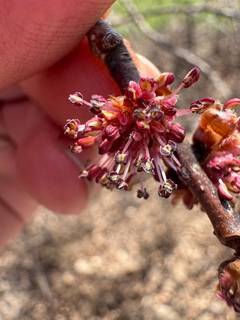
Flowering occurs in late winter to early spring, generally February to April, well before the leaves emerge. The small reddish-green flowers hang in tight clusters and are pollinated by wind, producing no nectar or showy display. Flat, papery samaras follow quickly and ripen by mid- to late spring. The seeds drop and germinate within the same season in many species.
Detailed Descriptions
Flower Description
green to reddishFoliage Description
greenGrowing Conditions
Sun Requirements
Requires 6-12 hours of direct sunlight daily
• Full Sun: 6+ hours of direct sunlight
• Partial Shade: 3-6 hours of direct sunlight
• Full Shade: Less than 3 hours of direct sunlight