Ulmus, Genus, crassifolia, Species,
- Genus & species
cedar elm
South-central United States and northeastern Mexico
Overview
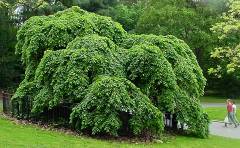
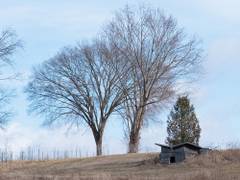
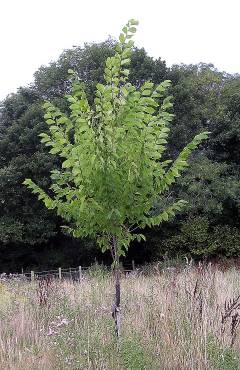
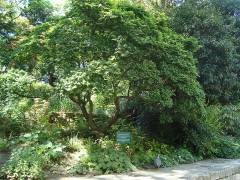
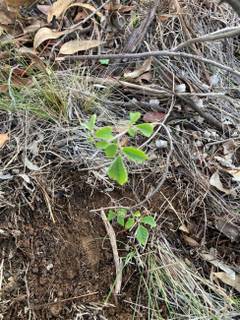
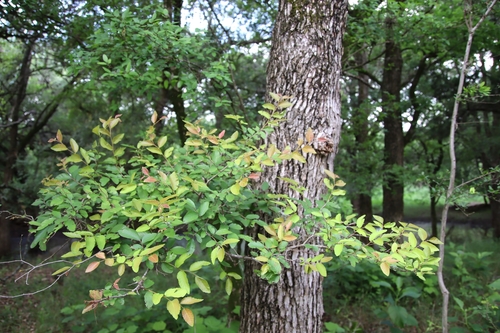
Ulmus crassifolia is a medium to large deciduous tree in the elm family, reaching 50-70 feet (15-21 m) tall, occasionally to 90 feet (27 m), with a rounded to oval crown of slender, often drooping branchlets spreading 40-60 feet (12-18 m). The small leaves are 1-2 inches (2.5-5 cm) long, thick and stiff with a sandpapery upper surface and toothed margins, dark green turning yellow before fall. Unlike most elms, which flower in spring, it blooms in late summer to early fall, producing small clusters of inconspicuous greenish flowers, and its flat winged seeds, called samaras and about 0.3 inch (8 mm) long, ripen in autumn. Twigs sometimes develop thin corky wings. The tree grows on a range of soils including heavy clay and limestone-derived alkaline ground, and it tolerates drought, heat, and poor drainage once established. It is a common shade and street tree across its native range in the south-central United States. It has some resistance to Dutch elm disease but is prone to mistletoe and to limb breakage in storms.
Native Range
Ulmus crassifolia is native to the south-central United States and northeastern Mexico, centered on Texas and reaching into Oklahoma, Arkansas, Louisiana, and Mississippi, where it grows in bottomlands, prairies, and on limestone soils.Suggested Uses
Planted as a shade tree, street tree, and lawn specimen across the south-central United States, spaced 40-50 feet (12-15 m) from buildings and other large trees. It tolerates compacted urban soils, drought, and alkaline ground that limit many shade trees. The dense canopy gives summer shade and yellow fall color.How to Identify
Appearance
Size & Dimensions
Height50' - 70'
Width/Spread40' - 60'
Bloom Information
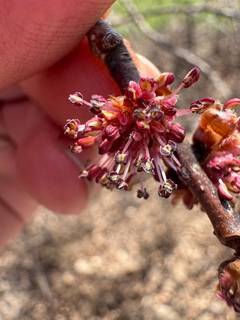
Cedar elm flowers in late summer to early fall, generally August to September, a different schedule from the spring-flowering elms. The small greenish flowers are wind-pollinated and inconspicuous. Flat winged seeds ripen and drop in autumn soon after.
Detailed Descriptions
Foliage Description
dark greenGrowing Conditions
Sun Requirements
Requires 6-10 hours of direct sunlight daily
• Full Sun: 6+ hours of direct sunlight
• Partial Shade: 3-6 hours of direct sunlight
• Full Shade: Less than 3 hours of direct sunlight
Care & Maintenance
Care Guide
Ulmus crassifolia grows in full sun to partial shade on a wide range of soils, including heavy clay, alkaline limestone ground, and poorly drained bottomland, at a pH of about 6.0-8.0. It tolerates drought, heat, wind, and seasonal flooding once established, which suits it to tough urban and rural sites. Young trees benefit from regular water until the deep root system develops; established trees rarely need irrigation. The tree casts dense shade and drops winged seed in fall. It shows some resistance to Dutch elm disease, though mistletoe and storm-related limb breakage are common. Hardy in USDA zones 6-9.Pruning
Pruning is done in late winter while the tree is dormant to remove crossing, weak, or storm-damaged limbs and to build strong branch structure when young. Cedar elm tends to form tight, narrow branch unions that can split, so early structural pruning reduces later breakage. Large cuts are avoided where possible to limit decay.Pruning Schedule
Prune: January–February
winter