Ulmus, Genus, alata, Species,
- Genus & species
winged elm
Overview
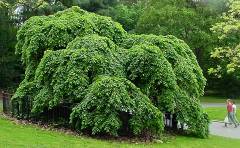
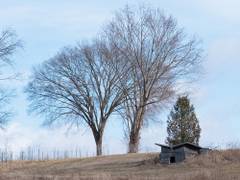
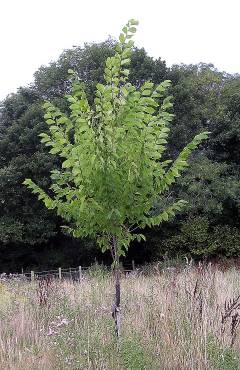
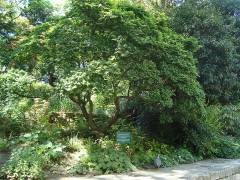
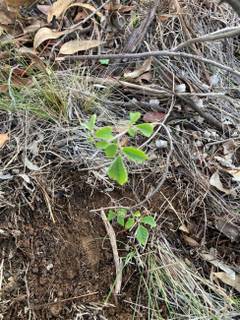
Ulmus alata is a small to medium deciduous tree in the elm family, reaching 30-50 feet (9-15 m) tall and 25-40 feet (7.5-12 m) wide, with a rounded to oval crown. Its common name comes from the two opposite corky wings that develop along many of the twigs and small branches, sometimes up to 0.5 inch (13 mm) wide. The elliptical, doubly toothed leaves are 1-3 inches (2.5-7.5 cm) long, smaller than those of most elms, and turn dull yellow in fall. Small reddish flowers without petals open in late winter before the leaves, followed by flat, hairy, winged seeds about 0.3 inch (8 mm) long that ripen in spring. The tree grows on dry uplands, rocky slopes, fencerows, and old fields across the southeastern United States, tolerating poor, dry soils and heat. It is moderately susceptible to Dutch elm disease and prone to breakage in ice storms because of its dense, slender branching. It is sometimes planted for shade and was once tapped for its tough inner bark.
Native Range
Native to the southeastern and south-central United States, from Virginia and southern Illinois south to Florida and west to Texas. It grows on dry uplands, rocky slopes, stream terraces, fencerows, and old fields.Suggested Uses
Planted as a shade and street tree on dry sites and used in shelterbelts and naturalized plantings. It supplies nesting sites, and the seeds feed birds and small mammals.How to Identify
Appearance
Size & Dimensions
Height30' - 50'
Width/Spread25' - 40'
Bloom Information
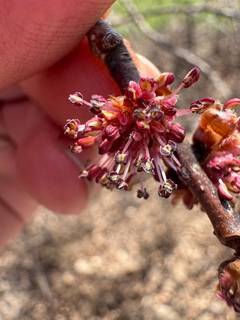
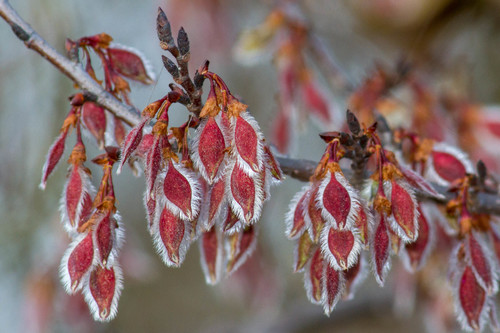
Small reddish, petalless flowers open in dense clusters in February and March, well before the leaves. The flowers are wind-pollinated. Flat, hairy, winged seeds ripen and drop in March and April.
Detailed Descriptions
Foliage Description
greenGrowing Conditions
Sun Requirements
Requires 6-10 hours of direct sunlight daily
• Full Sun: 6+ hours of direct sunlight
• Partial Shade: 3-6 hours of direct sunlight
• Full Shade: Less than 3 hours of direct sunlight
Care & Maintenance
Care Guide
Grows in full sun to part shade on a wide range of soils, including dry, rocky, and clay ground, and tolerates heat and drought once established. It transplants readily and grows at a moderate to fast rate. Dense, slender branching makes it prone to limb breakage in ice and wind, so structural pruning of young trees improves form. The species is moderately susceptible to Dutch elm disease and to elm leaf beetle. It needs no fertilizer on average soils and tolerates urban conditions and compacted ground. Pruning is done in winter to limit elm bark beetle activity.Pruning
Pruning in late winter develops a strong central leader and well-spaced scaffold branches, reducing storm damage later. Removing crossing and weakly attached limbs while the tree is young limits breakage.Pruning Schedule
winter