Turnera, Genus, spp., Multiple species,
- Genus
- Multiple species
turneras
Tropical and subtropical Americas and Africa
Overview
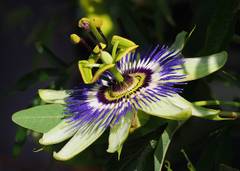
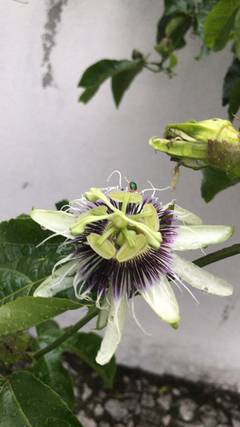
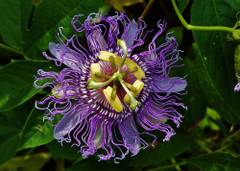
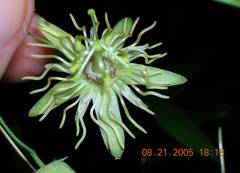
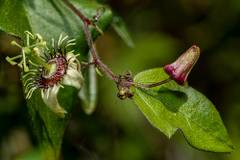
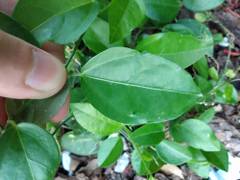
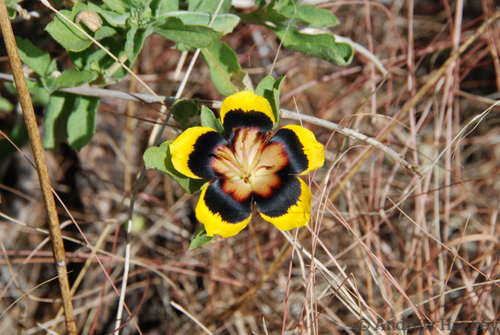
Turnera is a genus of about 140 herbs, subshrubs, and shrubs in the passionflower family (Passifloraceae), found mainly in the tropical and subtropical Americas, with some species in Africa. Plants are generally 0.3-2 m (1-6.5 ft) tall, with alternate, often toothed leaves that may carry small glands near the base. The flowers are solitary, five-petalled, and usually clear yellow or white to cream, many marked with a brown or purple throat. Each flower opens in the morning and closes by afternoon, lasting only a day, but plants bloom in long succession through the warm season. Several species are grown as ornamentals, especially yellow alder (T. ulmifolia) and white alder (T. subulata), which flower freely and can naturalise or become weedy in frost-free climates. The Mexican species damiana (T. diffusa) has a long history of use as a herbal stimulant. Most species grow in open, sunny, sandy places and tolerate heat and drought, but they are frost-tender and short-lived where winters are cold.
Native Range
Turnera is native to the warmer parts of the Americas, from the southern United States and Mexico through Central America, the Caribbean, and South America, with a smaller number of species in Africa. Plants grow in open grassland, scrub, roadsides, and other sunny, disturbed ground.Suggested Uses
Turnera species are planted as low-water flowering shrubs and groundcover in tropical and subtropical borders, gravel gardens, and coastal plantings, and as warm-season container and bedding plants in cooler areas. The morning flowers draw bees and butterflies. In frost-free climates they are used for quick, long-flowering colour on hot, sunny sites.How to Identify
Appearance
Size & Dimensions
Height1' - 6'6"
Width/Spread1' - 3'
Bloom Information
In warm climates plants flower over many months, each bloom opening at dawn and closing within a day, with a fresh crop following daily. The display is heaviest in the warm, bright part of the year. Flowering slows or stops in cool, dull, or frosty weather.
Detailed Descriptions
Flower Description
yellow or white, often with a dark centreFoliage Description
greenGrowing Conditions
Sun Requirements
Requires 6-10 hours of direct sunlight daily
• Full Sun: 6+ hours of direct sunlight
• Partial Shade: 3-6 hours of direct sunlight
• Full Shade: Less than 3 hours of direct sunlight
Care & Maintenance
Care Guide
Plants grow in full sun on light, well-drained sandy or loamy soil at a pH of 6.0-7.5. Once established they tolerate heat and drought and need only occasional water in dry spells. They are frost-tender, hardy to about USDA zone 9, and are grown as annuals, container plants, or under glass where winters are cold. Rich, wet soil and shade reduce flowering and produce soft, leggy growth. Light feeding through the growing season keeps plants in bloom.Pruning
A trim after the main flush keeps shrubby species compact and encourages branching and more bloom. Leggy stems are cut back hard in spring as growth resumes. Self-sown seedlings are removed where the plants tend to spread.Container Growing
Suitable for container growing
Minimum container size: 2 gallons