Trillium, Genus, spp., Multiple species,
- Genus
- Multiple species
trilliums
North America and temperate East Asia
Overview
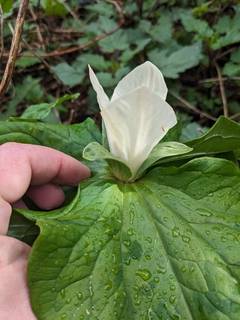
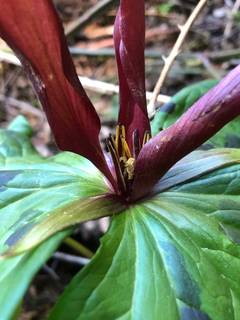
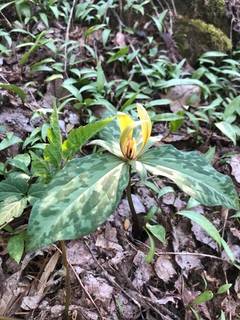
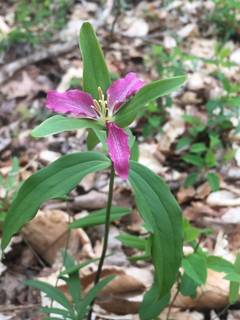
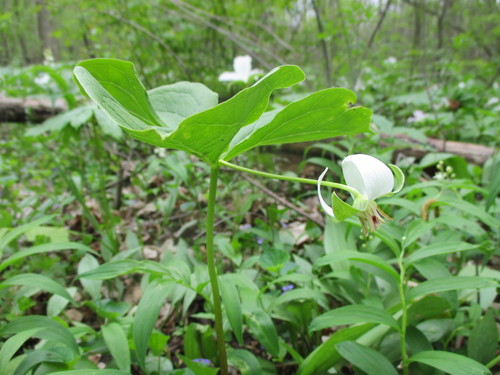
Trillium is a genus of about 50 species of woodland perennials in the family Melanthiaceae, native to North America and to temperate East Asia. Each plant grows from a short rhizome and sends up a single stem 6–18 inches (15–45 cm) tall, topped by a whorl of three broad leaf-like bracts. A single flower sits above the leaves, built on a pattern of three: three green sepals and three petals in white, maroon, yellow, or pink, depending on the species. In some species the flower sits directly on the leaves, while in others it is raised on a short stalk. Plants are slow to develop, taking several years from seed to first flower, and the seeds carry an oily appendage that ants collect and disperse. The foliage lasts through spring and summer before dying back, and colonies enlarge gradually from the rhizome. Because recovery from damage is slow, plants that lose their leaves to picking or grazing may not return for years. Trillium grows in cool, humus-rich soil in the shade of deciduous woodland and needs winter cold to complete its cycle.
Native Range
Trillium is native to the deciduous and mixed woodlands of North America, with centres of diversity in the southeastern United States and the Pacific Northwest, and a smaller number of species in the Himalayas and East Asia. Plants grow on shaded, humus-rich forest floors.Suggested Uses
Trillium is grown in woodland and shade gardens, native-plant collections, and naturalistic plantings under deciduous trees. It combines with ferns, Erythronium, and other spring woodland plants. Because wild collection has depleted some populations, nursery-propagated plants are used for garden planting.How to Identify
Appearance
Size & Dimensions
Height6" - 1'6"
Width/Spread6" - 1'
Bloom Information
Flowering occurs in spring, usually from April to May, as the woodland warms and before the canopy fully closes. Each plant carries one flower that lasts one to several weeks, ageing in some species from white to pink. Bees and flies pollinate the flowers, and ants later carry off the seeds.
Detailed Descriptions
Flower Description
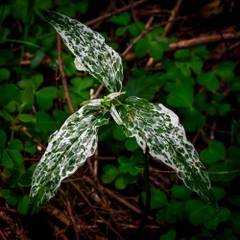
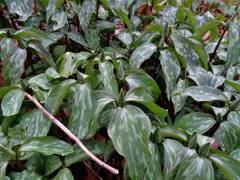
White, maroon, yellow, or pinkFoliage Description
Green, sometimes mottled bronzeGrowing Conditions
Sun Requirements
Requires 2-6 hours of direct sunlight daily
• Full Sun: 6+ hours of direct sunlight
• Partial Shade: 3-6 hours of direct sunlight
• Full Shade: Less than 3 hours of direct sunlight