Trillium, Genus, chloropetalum, Species,
- Genus & species
giant trillium
California — Coast Ranges and Sierra Nevada foothills; moist deciduous and mixed-evergreen forests
Overview
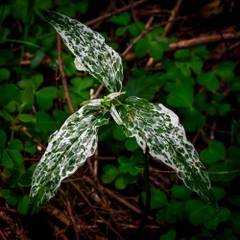
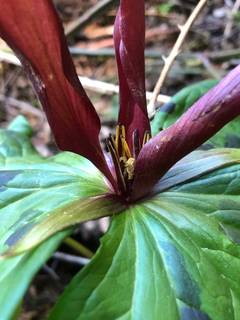
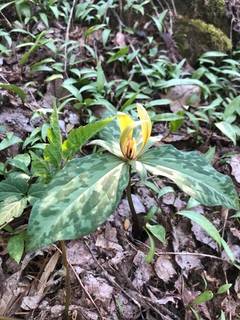
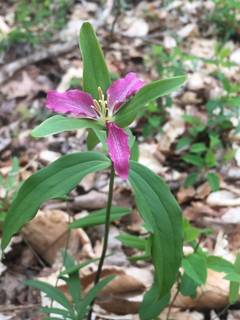
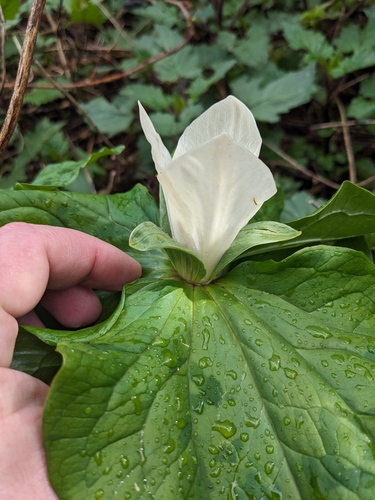
Trillium chloropetalum is giant trillium (giant wakerobin), an upright deciduous perennial growing 8-24 inches (20-60 cm) tall and 12-18 inches (30-45 cm) wide. Three erect narrow petals 1.5-4 inches (4-10 cm) in highly variable colors — greenish-white, yellow-green, pink, rose, or deep maroon-red — sessile (sitting directly on the bract whorl without a stalk) in March-April (4 weeks). Three broadly ovate dark green bracts 3-8 inches (7-21 cm) with brownish-gray mottling. In Melanthiaceae. Chloropetalum = green-petaled (type specimen). The tallest western trillium — up to 24 inches (60 cm). Native to California — Coast Ranges and Sierra Nevada foothills. Sessile flower (no stalk) — distinguished from T. ovatum (pedicellate). The flower color varies from greenish-white to deep maroon within a single population — this color unpredictability is the primary limitation for gardeners who want a specific color. 5-7 years from seed to flower. Not drought-tolerant. Deer browse. Contains steroidal saponins — toxic. Zones 6-9. Part shade to full shade. Growth rate is very slow.
Native Range
Native to California — Coast Ranges and Sierra Nevada foothills. Found in moist deciduous and mixed-evergreen forests.Suggested Uses
Grown in woodland gardens and native plant gardens under deciduous or mixed-evergreen trees, spaced 12-18 inches (30-45 cm). Tallest western trillium. Variable flower color. California native. Nursery-propagated only. Toxic. Zones 6-9.How to Identify
Appearance
Size & Dimensions
Height8" - 2'
Width/Spread1' - 1'6"
Bloom Information
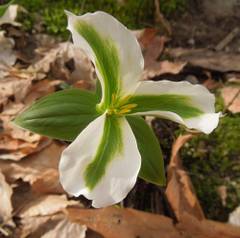
Early to mid spring (March-April). Sessile flowers with 3 erect narrow petals 1.5-4 inches (4-10 cm) in greenish-white to deep maroon-red. 4 weeks. Color variable within populations.
Detailed Descriptions
Flower Description
Highly variable — greenish-white, yellow-green, pink, rose, or deep maroon-red; 3 erect narrow petals 1.5-4 inches (4-10 cm); sessile (no pedicel — flower sits directly on the bract whorl)Foliage Description
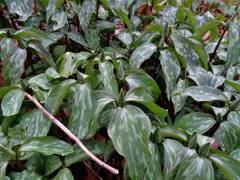
Three broadly ovate sessile bracts 3-8 inches (7-21 cm), dark green with prominent irregular brownish-gray mottling; the mottling pattern is variable — some populations have faint mottling, others are boldly markedGrowing Conditions
Sun Requirements
Requires 1-4 hours of direct sunlight daily
• Full Sun: 6+ hours of direct sunlight
• Partial Shade: 3-6 hours of direct sunlight
• Full Shade: Less than 3 hours of direct sunlight