Trillium, Genus, recurvatum, Species,
- Genus & species
prairie trillium
Central and eastern United States — Midwest prairies and woodlands from Iowa south to Texas and east to Ohio
Overview
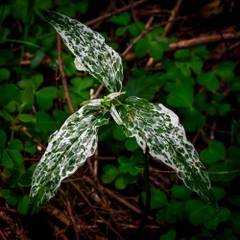
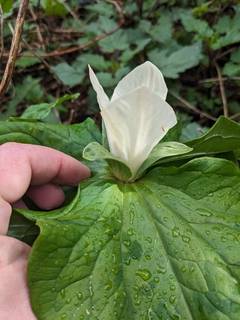
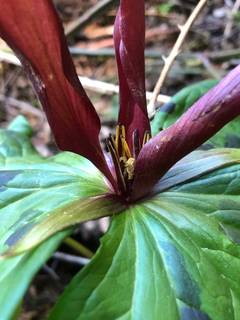
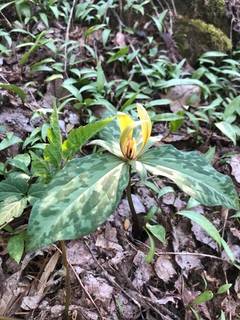
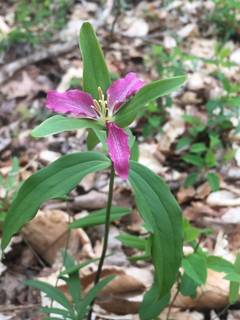
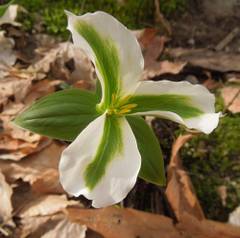
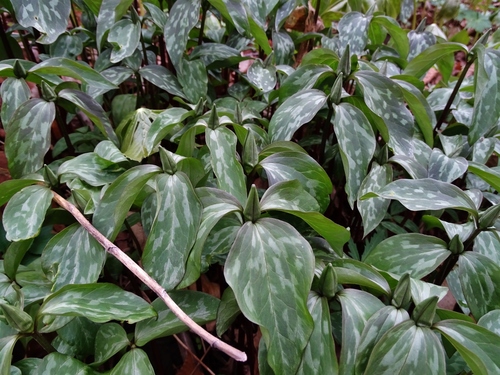
Trillium recurvatum is prairie trillium (also called bloody butcher for the blood-red flower color) — the trillium of the Midwest prairies and woodlands, growing 10-16 inches (25-40 cm) tall and 8-12 inches (20-30 cm) wide. The species name 'recurvatum' means 'recurved' or 'bent backward', describing the narrow petals that curve backward and inward, creating a closed or cupped flower form rather than the open, spreading petals of most trilliums. Deep maroon-red to dark burgundy sessile flowers sit directly on a whorl of three dark green leaves heavily mottled with silver-green — the mottling ranks among the showier of any trillium. The recurved petal form and the dark maroon color create a brooding, gothic quality. Unlike most trilliums which favor acidic soil, T. recurvatum tolerates neutral to slightly alkaline conditions — reflecting its prairie limestone origin. More adaptable to garden conditions than many trilliums. Spring ephemeral — dormant by midsummer. Wild collection damages native populations; nursery-propagated plants are the only sustainable source. Mildly toxic. Deer may eat the foliage.
Native Range
Trillium recurvatum is native to the central and eastern United States — from Iowa south to Texas and east to Ohio, growing in rich deciduous woodlands and prairie edges.Suggested Uses
Used in woodland gardens, shade gardens, and naturalized under deciduous trees. The most garden-adaptable trillium owing to its soil flexibility. The brooding maroon color and recurved petals draw collector interest. Pairs with summer companions to fill the dormancy gap.How to Identify
Appearance
Size & Dimensions
Height10" - 1'4"
Width/Spread8" - 1'
Colors
Bloom Information
Flowering in April and May, approximately 3 weeks. Deep maroon-red sessile flowers with recurved petals. Dormant by midsummer.
Detailed Descriptions
Flower Description
Deep maroon-red to dark burgundy, sessile, with narrow recurved petalsFoliage Description
Dark green, heavily mottled with silver-green, in a whorl of three, with recurved (bent backward) tipsGrowing Conditions
Sun Requirements
Requires 2-4 hours of direct sunlight daily
• Full Sun: 6+ hours of direct sunlight
• Partial Shade: 3-6 hours of direct sunlight
• Full Shade: Less than 3 hours of direct sunlight