Image 1 of 16
1 / 16
Plant Reference
Trillium, Genus, ovatum, Species,
- Genus & species
western trillium
Western North America — southern British Columbia south through Washington, Oregon to northern California, east to the Rocky Mountains; moist coniferous and mixed forest understories
Overview
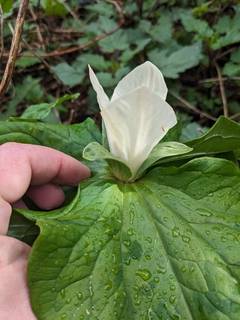
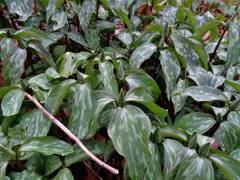
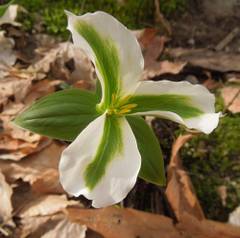
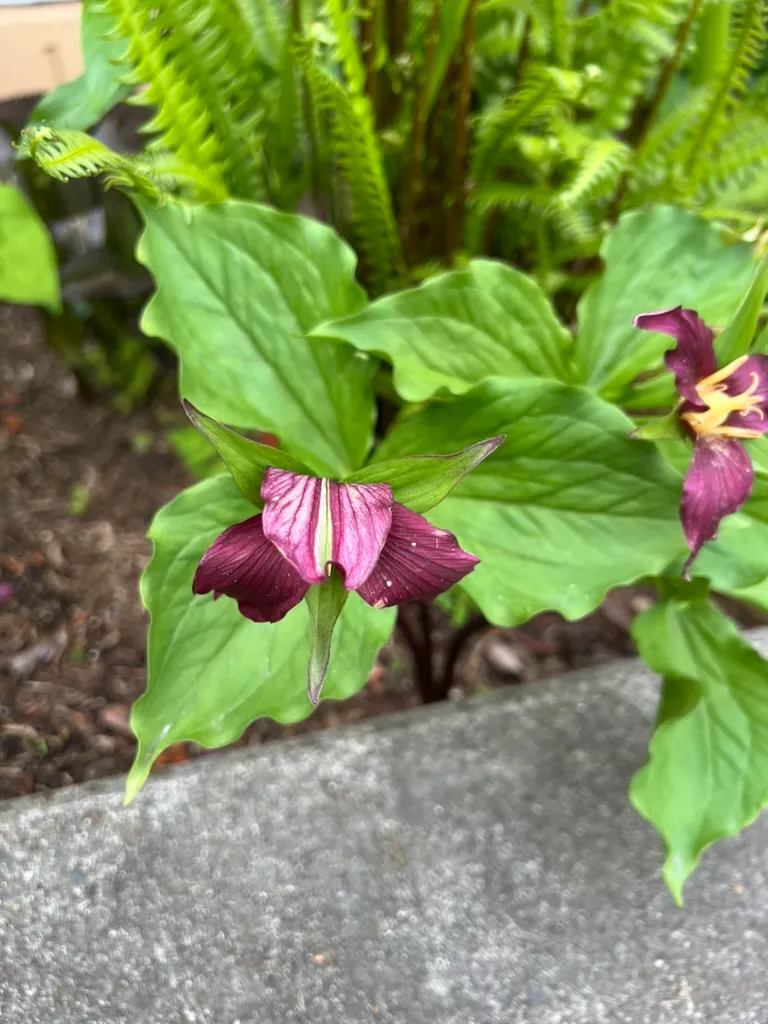
Trillium ovatum is western trillium (western wakerobin), an upright deciduous perennial growing 8-20 inches (20-50 cm) tall and 8-16 inches (20-40 cm) wide. White 3-petaled flowers 1.5-2.5 inches (4-6 cm) aging to pink to rose-purple over 2-3 weeks, pedicellate (on a distinct stalk above the leaf whorl), in February-April (5 weeks). Lightly fragrant. Three broadly ovate medium green unmottled sessile leaves 2-7 inches (5-18 cm) in a single whorl. In Melanthiaceae. Ovatum = egg-shaped. Native to western North America — British Columbia to northern California. The pedicellate (stalked) flower distinguishes T. ovatum from sessile trilliums (T. chloropetalum, T. kurabayashii) whose flowers sit directly on the leaf whorl. Takes 7-10 years to flower from seed — the extremely slow maturation rate is the primary establishment limitation. Seeds are ant-dispersed (myrmecochory). Do not pick the flower — the 3 leaves are the plant's only photosynthetic surface. Purchase nursery-propagated plants only (never wild-collect). Not drought-tolerant. Deer browse. Contains saponins — mildly toxic. Zones 4-9. Part shade to full shade. Growth rate is very slow.
Native Range
Native to western North America — southern British Columbia south through Washington, Oregon to northern California, east to the Rocky Mountains. Found in moist coniferous and mixed forest understories.Suggested Uses
Grown in woodland gardens, native plant gardens, and under deciduous or coniferous trees, spaced 8-16 inches (20-40 cm). PNW native woodland icon. Very slow. Do not pick. Nursery-propagated only. Zones 4-9.How to Identify
Appearance
Size & Dimensions
Height8" - 1'8"
Width/Spread8" - 1'4"
Bloom Information
Late winter to mid spring (February-April). White 3-petaled flowers aging to pink to rose-purple over 2-3 weeks. Pedicellate. Lightly fragrant. 5 weeks. Ant-dispersed seed (myrmecochory).
Detailed Descriptions
Flower Description
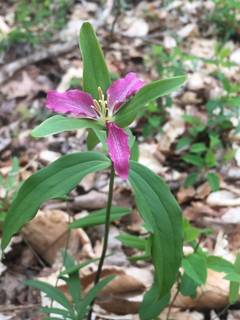
White aging to pink to rose-purple over 2-3 weeks; 3 petals 1.5-2.5 inches (4-6 cm); pedicellate (flower held on a distinct stalk above the leaf whorl); 3 green sepals beneath; lightly fragrantFoliage Description
Medium green, broadly ovate, net-veined, sessile (no petiole), 2-7 inches (5-18 cm); 3 leaves in a single whorl at the stem top; unmottled (plain green — no mottling pattern)Growing Conditions
Sun Requirements
Requires 1-4 hours of direct sunlight daily
• Full Sun: 6+ hours of direct sunlight
• Partial Shade: 3-6 hours of direct sunlight
• Full Shade: Less than 3 hours of direct sunlight