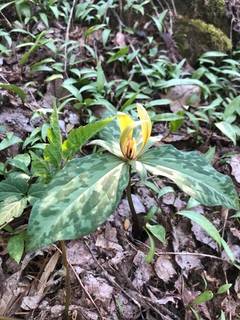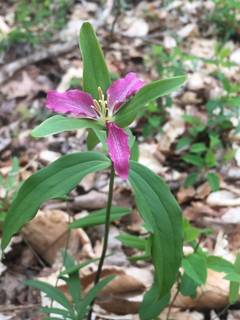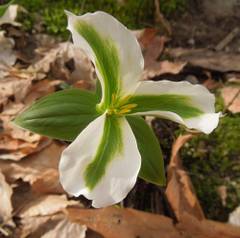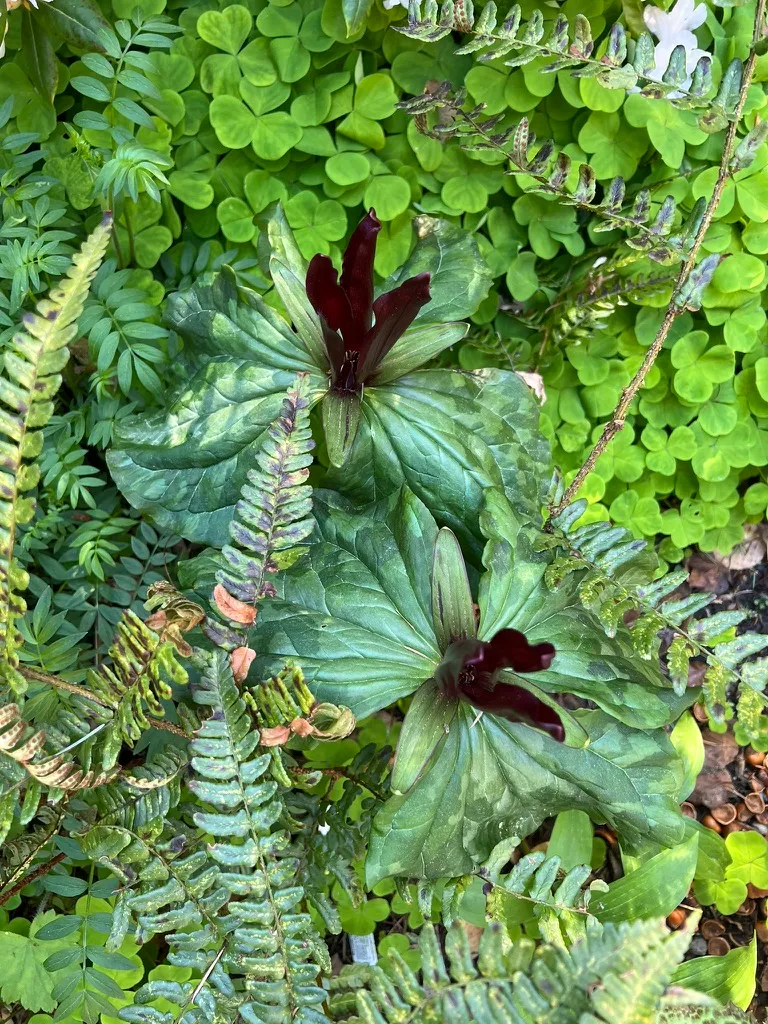
Trillium kurabayashii, giant purple wakerobin
1 / 2
Perennials

Trillium kurabayashii

giant purple wakerobin

MelanthiaceaeNorth America

At a Glance

TypePerennial
HabitUpright
FoliageDeciduous
Height11–17 inches (28–44 cm)
Width12–18 inches (30–45 cm)
Maturity7 years

Growing Zones

USDA Hardiness Zones

6 - 9
Zone 6
Zone 7
Zone 8
Zone 9
These zones indicate the coldest temperatures this plant can typically survive.
Frost Tolerancehardy

Key Features

Attracts Pollinators
Fragrant (light)
Native to North America
Maintenancelow

Overview

Trillium kurabayashii, commonly called giant purple wakerobin, is a sessile-flowered rhizomatous herbaceous perennial in the family Melanthiaceae, endemic to the Klamath-Siskiyou region of extreme southwestern Oregon, northwestern California, and the northern Sierra Nevada — among the most botanically diverse regions in North America. First formally described by John Daniel Freeman in 1975, it is one of the largest sessile trilliums in the Pacific Coast flora, with petals 2.5–4 inches (65–105 mm) long in consistently rich, deep purple-red — without the yellow-pigment variation seen in T. chloropetalum. Plants grow 11–17 inches (28–44 cm) tall from thick rhizomes, producing a whorl of three large, broadly ovate bracts 4–7 inches (11–18 cm) long, typically dark green with subtle mottling or nearly unmottled. The sessile flower sits directly on the bract whorl, its deep maroon-purple petals erect, giving the plant an extraordinary visual presence in the woodland garden. A spicy to musty fragrance — sometimes described as fetid with age — distinguishes it from T. chloropetalum. Dormant by midsummer. Only nursery-propagated stock is acceptable — wild collection is harmful and illegal.

Native Range

Endemic to the Klamath-Siskiyou floristic region of extreme southwestern Oregon (Josephine, Curry, and Jackson counties), northwestern California (Del Norte, Humboldt, Trinity, and Siskiyou counties), and the northern Sierra Nevada, growing in moist, humus-rich soils in the understory of mixed-evergreen, Douglas fir, and tanoak forest at low to mid elevations. Native to North America.

Suggested Uses

Giant purple wakerobin is one of the most spectacular Pacific Northwest and Klamath-Siskiyou region native wildflowers for the shade garden, producing some of the largest and most richly colored sessile trillium flowers of any species hardy in this region. Exceptional combined with other Siskiyou natives and with shade-tolerant PNW companions: Asarum caudatum, Polystichum munitum, Disporum, and Dicentra formosa. A plant of significant botanical and educational interest for the horticulture classroom. Only nursery-propagated stock is appropriate; wild collection is harmful and illegal.

How to Identify

Giant purple wakerobin is identified by its erect stem 11–17 inches (28–44 cm) tall topped by a whorl of three broadly ovate, dark green bracts 4–7 inches (11–18 cm) long with subtle or no mottling. The large sessile flower sits directly on the bract whorl with three erect, deep purple-red petals 2.5–4 inches (65–105 mm) long — consistently rich maroon-purple without yellow-green color variants. Key measurements: stamens approximately equal in length to the carpels; scape 2.4–2.6 times the bract length (shorter-scaped than T. chloropetalum at 3.0–3.3 times). A spicy to musty floral fragrance is distinctive.

Appearance

Size & Dimensions

Height11" - 1'5"
Width/Spread1' - 1'6"

Reaches mature size in approximately 7 years

Colors

Flower Colors

red
purple

Foliage Colors

green

Fall Foliage Colors

yellow

Bloom Information

Bloom Period

~4 weeks
J
F
M
A
M
J
J
A
S
O
N
D
Spring
Giant purple wakerobin blooms in early to mid-spring, typically March through April in Pacific Northwest gardens, slightly later at higher elevations in the Siskiyou Mountains. The deep purple-red sessile flowers appear as the plant reaches its full height and persist for three to four weeks. The dramatic combination of large, deep maroon-purple flowers and boldly whorled bracts makes this one of the most visually striking of all spring woodland perennials in the Pacific Northwest. Plants go fully dormant by midsummer — mark positions clearly.

Detailed Descriptions

Flower Description

Consistently deep purple-red to maroon; three erect, narrow petals 2.5–4 inches (65–105 mm); no pedicel, directly on bract whorl; spicy-musty fragrance

Foliage Description

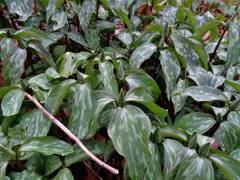
Three broadly ovate, dark green bracts 4–7 inches (11–18 cm), typically unmarked or subtly mottled

Growing Conditions

Sun Requirements

Partial Shade
Full Shade
Tolerates up to 4 hours of direct sunlight daily
• Full Sun: 6+ hours of direct sunlight
• Partial Shade: 3-6 hours of direct sunlight
• Full Shade: Less than 3 hours of direct sunlight
Soil Requirements

pH Range5.0 - 6.5(Acidic)
357912
Soil Types
loampeat
Drainage
well drained

Water & Climate

Water Needs

Medium

Frost Tolerance

hardy

Time to Maturity

5–7 years

Care & Maintenance

Care Guide

Plant in partial to full shade in deep, humus-rich, consistently moist, well-drained, slightly to moderately acidic soil. Giant purple wakerobin thrives in conditions mimicking its native Siskiyou mountain forest understory — cool, moist, with generous organic matter. Incorporate leaf mold and composted wood chips deeply at planting. Maintain moisture through spring and early summer; tolerates summer dryness during dormancy. Mulch with leaf mold annually. Plants are slow from seed to flowering size (five to seven years); established plants are long-lived and should not be disturbed. Only use nursery-propagated plants — wild collection is harmful and illegal. Excellent drainage through winter is important.

Pruning

No pruning required. Allow the bracts and stem to die back naturally in midsummer. Do not cut back prematurely — post-flowering foliage builds the rhizome for next year's growth. Mark dormant rhizome positions to avoid damage during summer garden work. Leave undisturbed.

Maintenance Level

low

⚠️ Toxicity Warning

Toxic to pets and humans