Trillium, Genus, pusillum, Species,
- Genus & species
dwarf trillium
Southeastern United States — Virginia south to the Carolinas
Overview
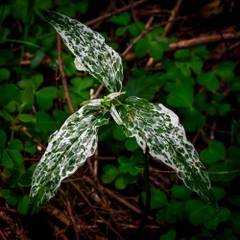
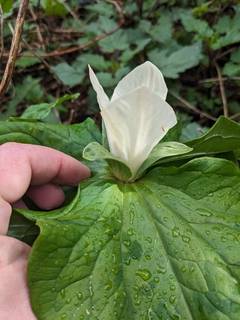
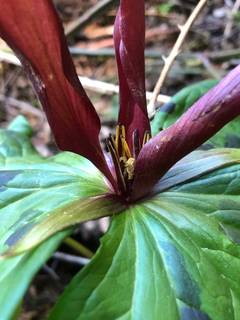
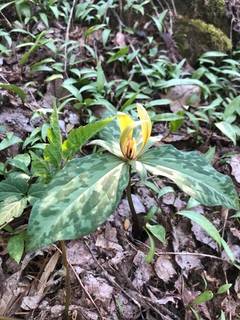
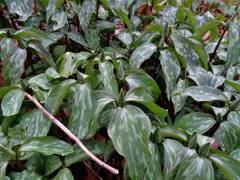
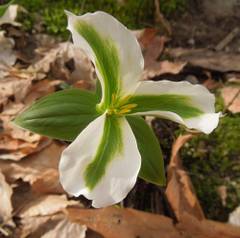
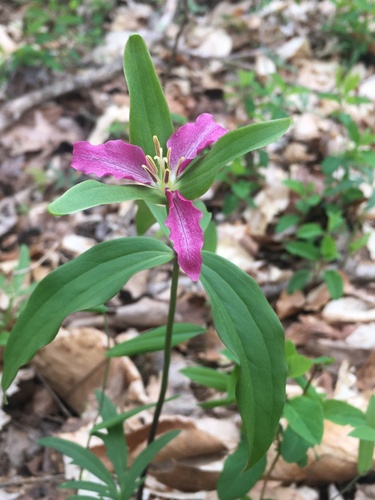
Trillium pusillum is the dwarf trillium — the smallest trillium species in eastern North America, growing just 4-8 inches (10-20 cm) tall and 4-6 inches (10-15 cm) wide. The species name 'pusillum' means 'very small'. Tiny white to pale pink flowers on a short stalk (pedicellate — not sessile) appear above a whorl of three narrow lance-shaped medium green leaves in March and April. The diminutive scale — smaller than any other eastern trillium — makes this a collector's miniature woodland wildflower. The narrow lance-shaped leaves (rather than the broad leaves of most trilliums) are a separating trait. The species is considered rare or uncommon through much of its range; nursery-propagated plants are the only sustainable source. Spring ephemeral — dormant by early summer. The tiny scale means this is easily overlooked unless planted at close-viewing height. Moist, humus-rich, acidic woodland soil. Mildly toxic. Deer may eat the foliage.
Native Range
Trillium pusillum is native to the southeastern United States — from Virginia south to the Carolinas.Suggested Uses
Used in woodland gardens, alpine-style shade plantings, and close-viewing positions. A collector's miniature woodland wildflower. Pairs with other diminutive shade plants for a tiny treasures garden.How to Identify
Appearance
Size & Dimensions
Height4" - 8"
Width/Spread4" - 6"
Bloom Information
Flowering in March and April, approximately 3 weeks. Tiny white to pale pink stalked flowers. Dormant by early summer.
Detailed Descriptions
Flower Description
White to pale pink, small, pedicellate (stalked), nodding to uprightFoliage Description
Medium green, in a whorl of three, narrow and lance-shapedGrowing Conditions
Sun Requirements
Requires 2-4 hours of direct sunlight daily
• Full Sun: 6+ hours of direct sunlight
• Partial Shade: 3-6 hours of direct sunlight
• Full Shade: Less than 3 hours of direct sunlight