Image 1 of 14
1 / 14
Plant Reference
Trifolium, Genus, pratense, Species,
- Genus & species
red clover
Europe, western Asia, northern Africa
Overview
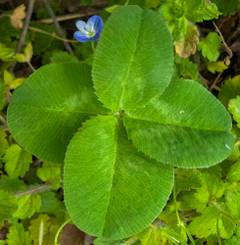
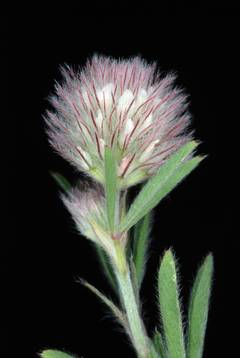
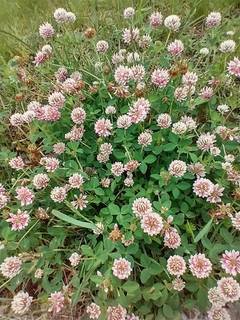
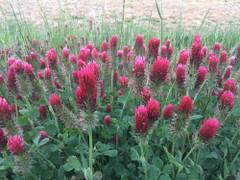
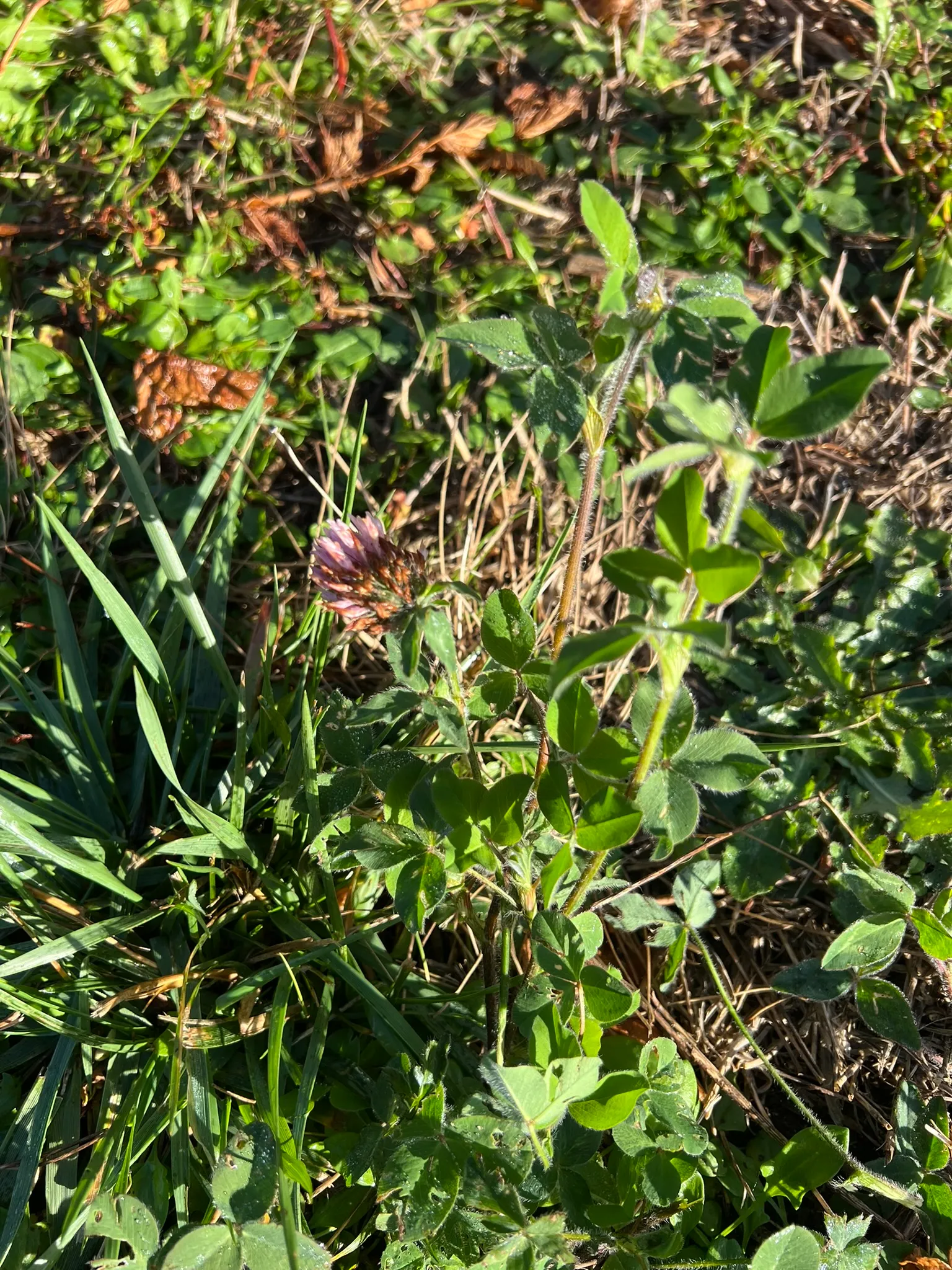
Trifolium pratense is an erect to ascending, short-lived perennial in the pea family (Fabaceae) reaching 6–24 inches (15–60 cm) tall with a 12–24 inch (30–60 cm) spread. Stems are erect to ascending, branching, hairy. Leaves are alternate, trifoliate (the defining Trifolium character), with ovate leaflets 0.6–1.2 inches (15–30 mm) long, each bearing a pale V-shaped or chevron marking — the chevron is the primary vegetative diagnostic. Stipules are large, membranous, with a bristle-tipped apex. Flower heads are globose to ovoid, 0.8–1.2 inches (20–30 mm) in diameter, sessile (without a peduncle, sitting directly above the uppermost pair of leaves), composed of 50–200 individual papilionaceous (pea-type) florets, pink to magenta-purple. The sessile head sitting directly on the leaves distinguishes T. pratense from T. repens. Fruit is a small one-seeded pod enclosed within the persistent calyx. Nitrogen-fixing: root nodules host Rhizobium bacteria. A single plant produces 500–3,000 seeds. Short-lived perennial (2–3 years); widely planted as a forage and cover crop.
Native Range
Native to Europe, western Asia, and northern Africa, occurring in lawns, pastures, roadsides, and meadows from sea level to approximately 8,000 feet (2,400 m). Widely planted as a forage and cover crop across North America. Naturalized in all 50 U.S. states. In the Pacific Northwest, functions as a weed in lawns while being a valued forage and cover crop species.Suggested Uses
Used in Fabaceae identification for the trifoliate leaf, the papilionaceous flower, the root nodules with Rhizobium, and the sessile-versus-pedunculate head comparison between T. pratense and T. repens. The long corolla tube and bumblebee pollination dependency are taught in pollination biology. Nitrogen fixation is a primary teaching example in plant-microbe mutualism. Widely used as a cover crop, green manure, and pollinator resource in sustainable agriculture. Isoflavone content (formononetin, biochanin A) is studied in phytoestrogen research.How to Identify
Appearance
Size & Dimensions
Height6" - 2'
Width/Spread1' - 2'
Bloom Information
Flowers from May through September. Globose heads bloom over 8–12 weeks. Pollinated primarily by long-tongued bumblebees (Bombus species) — the corolla tube is 9–10 mm long, excluding most honeybees. In the Pacific Northwest, peak bloom occurs in June through July. Seed set is dependent on adequate bumblebee populations.
Detailed Descriptions
Flower Description
Pink to magenta-purpleFoliage Description
Medium green, trifoliate with ovate leaflets each bearing a pale V-shaped or chevron marking; hairyGrowing Conditions
Sun Requirements
Requires 4-10 hours of direct sunlight daily
• Full Sun: 6+ hours of direct sunlight
• Partial Shade: 3-6 hours of direct sunlight
• Full Shade: Less than 3 hours of direct sunlight