Iris, Genus, germanica, Species, 'Tiger Honey', Cultivar,
- Genus & species
- Cultivar
tiger honey bearded iris
Mediterranean / southwestern Asia (parent species)
Overview
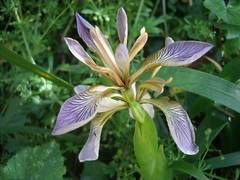
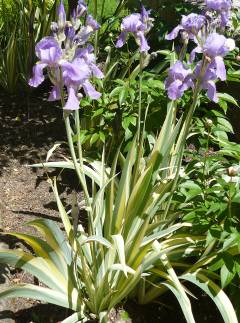
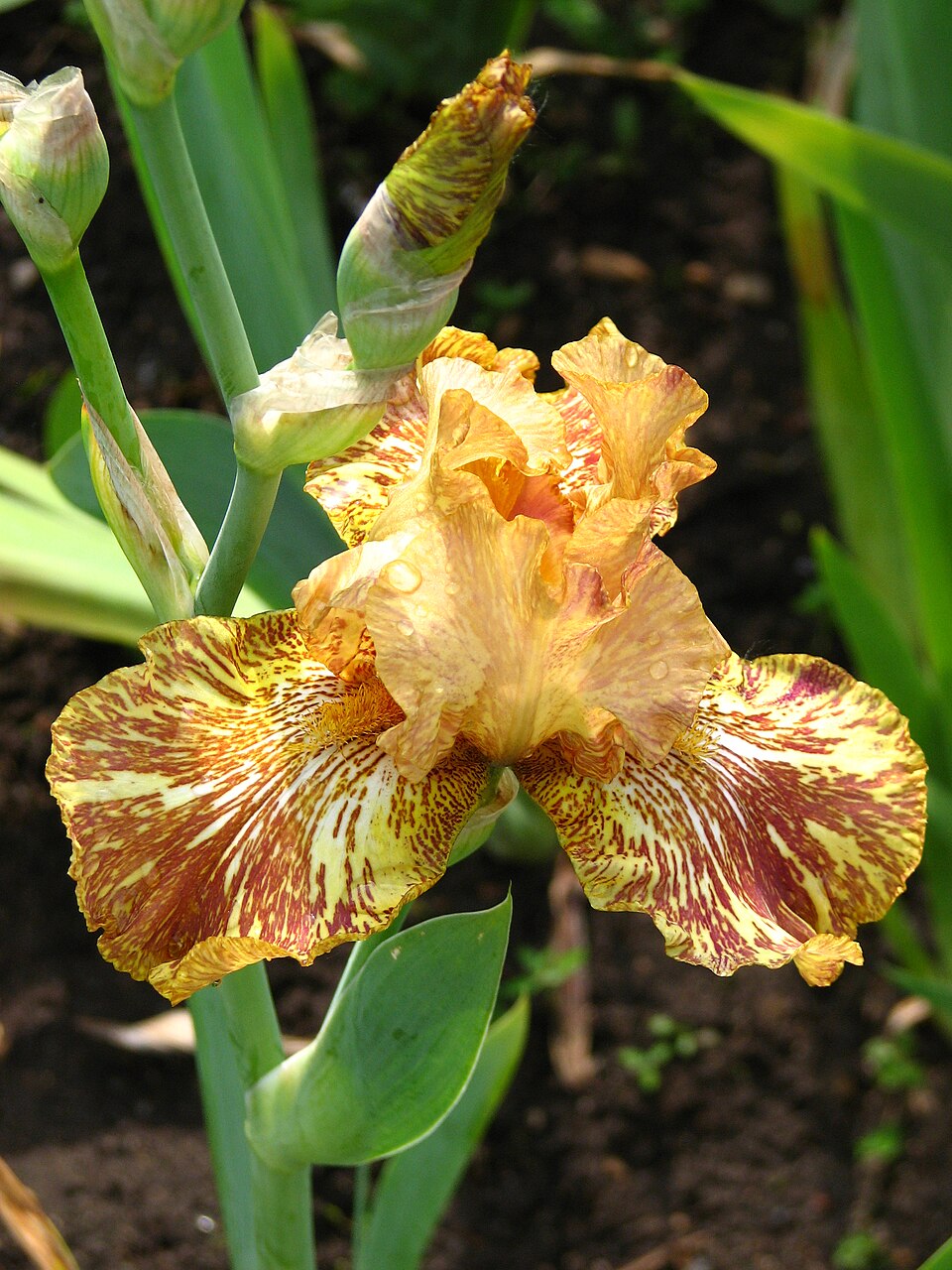
Iris germanica 'Tiger Honey' is a tall bearded iris reaching 32-36 inches (81-91 cm) in bloom and 18-24 inches (45-60 cm) wide. Sword-shaped blue-green leaves form upright fans 12-18 inches (30-45 cm) tall from thick rhizomes at the soil surface. Flower stems carry 6-8 buds in mid- to late spring; each stem opens 2-3 flowers at a time. Standards (upper petals) open honey-yellow with broken brown-red veining and shoulder striping. Falls (lower petals) open creamy yellow ground with tiger-pattern brown-red veining concentrated near the throat and along the petal edges. Flowers 3 inches (7.5 cm) across. Beard yellow-orange, 1 inch (2.5 cm) long. Individual flowers last 2-3 days; bloom continues 12-16 days per clump. Foliage holds green through summer in zones 4-7 and may scorch in zones 8-9 during prolonged dry heat. Rhizomes spread 4-6 inches (10-15 cm) per year; clumps require lifting and division every 3-4 years to maintain bloom. Bacterial soft rot occurs in waterlogged or heavily mulched sites; iris borer larvae mine leaves in May and tunnel into rhizomes through summer.
Native Range
Iris germanica 'Tiger Honey' is a hybrid cultivar of the tall bearded iris group with plicata-style petal patterning. Iris germanica as a wild taxon is of presumed hybrid origin involving Mediterranean and southwestern Asian Iris species; it has naturalized across southern Europe, the Balkans, and the Caucasus on dry hillsides and rocky slopes at 300-3,000 feet (90-900 m).Suggested Uses
Used in mixed borders, cottage gardens, and dedicated iris beds at 12-18 inch (30-45 cm) spacing. Grows in containers of at least 5 gallons (19 L) with sharp drainage. Massed in groups of 5-9 rhizomes spaced so fans do not overlap, in zones 3-9.How to Identify
Appearance
Size & Dimensions
Height2'8" - 3'
Width/Spread1'6" - 2'
Colors
Bloom Information
Mid-season tall bearded iris bloom, mid-May through early June in zones 4-7 and 2-3 weeks earlier in zones 8-9. Each clump flowers for 12-16 days; individual blooms last 2-3 days. Rebloom is rare and sporadic in long warm seasons.
Detailed Descriptions
Flower Description
Honey-yellow ground with brown-red tiger-pattern veining; yellow-orange beardFoliage Description
Blue-greenGrowing Conditions
Sun Requirements
Requires 6-10 hours of direct sunlight daily
• Full Sun: 6+ hours of direct sunlight
• Partial Shade: 3-6 hours of direct sunlight
• Full Shade: Less than 3 hours of direct sunlight
Care & Maintenance
Care Guide
Set rhizomes with the upper surface exposed at or just above soil level. Water weekly through the first season; established plants tolerate 3-4 weeks without rain. Apply low-nitrogen fertilizer (5-10-10) at 1/4 cup per square yard in early spring and again 6 weeks after bloom. Iris borer larvae mine leaves in May and tunnel into rhizomes; remove damaged leaves and discard infested rhizomes. Bacterial soft rot causes mushy, foul-smelling rhizomes in waterlogged soils or under heavy mulch. Lift and divide every 3-4 years in mid- to late summer when bloom production declines.Pruning
Cut spent flower stalks to the base after the last bloom withers. Remove yellowing or borer-damaged outer leaves at any point in the growing season. Cut foliage to a 6-inch (15 cm) fan in mid- to late summer when dividing rhizomes; otherwise leave foliage standing through autumn so rhizomes accumulate carbohydrate reserves.Pruning Schedule
Prune: July–August
summer
Container Growing
Suitable for container growing
Minimum container size: 5 gallons