Iris, Genus, sibirica, Species,
- Genus & species
Siberian iris
Central Europe east through Ukraine, western Russia, and central Asia; moist meadows, stream banks, and open woodland clearings
Overview
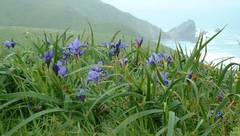
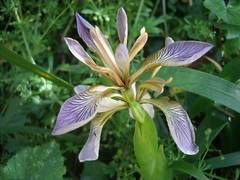
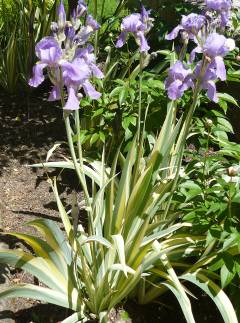
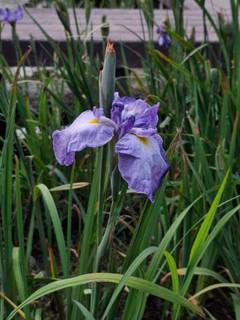
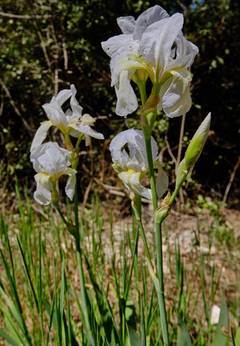
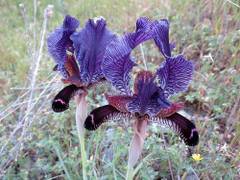
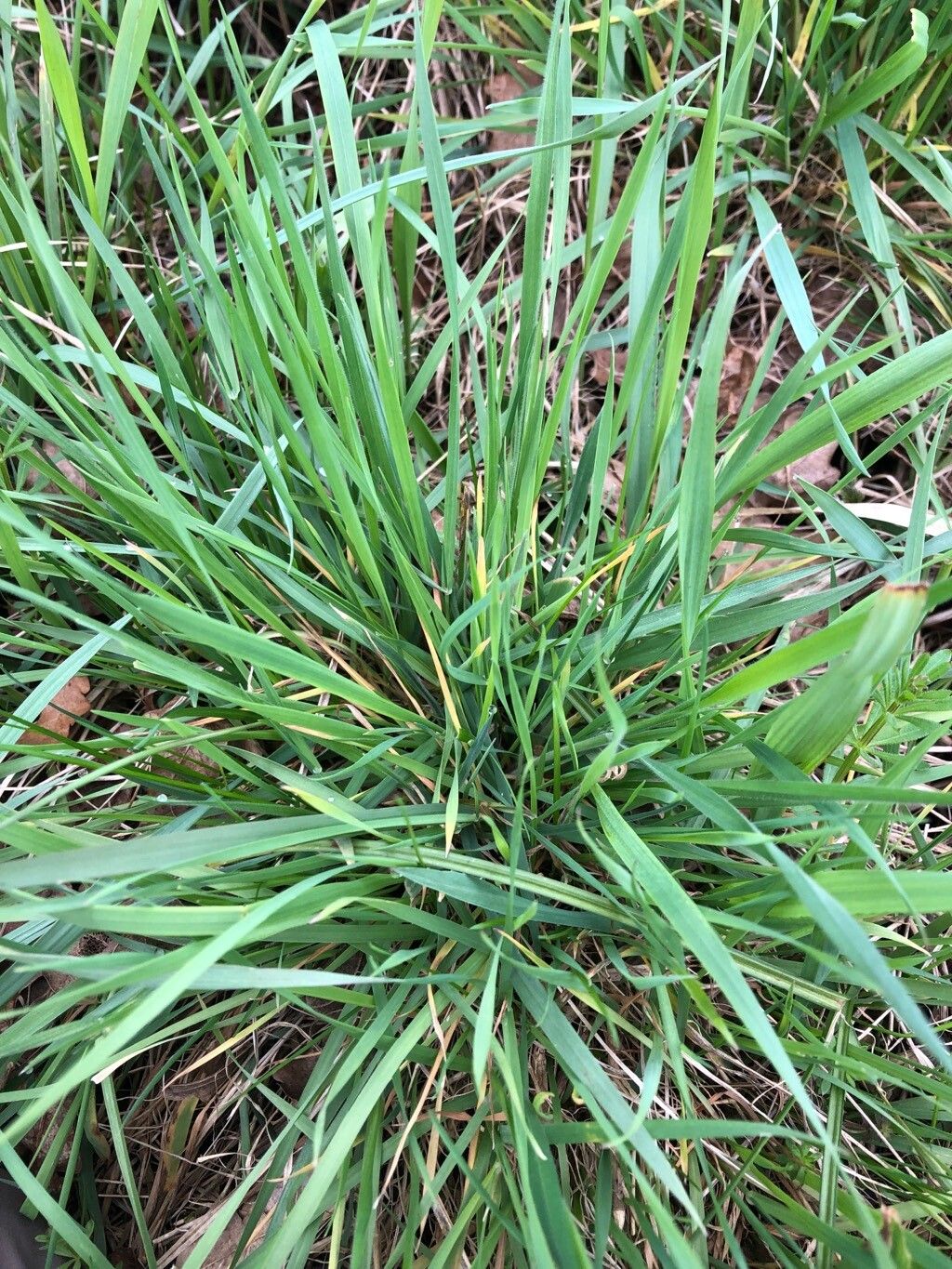
Iris sibirica is Siberian iris, a clumping deciduous perennial growing 24-40 inches (60-100 cm) tall and 18-24 inches (45-60 cm) wide. Beardless flowers 3-4 inches (7-10 cm) in blue-violet to violet-purple with white and yellow signal marks on the falls in May-June (4 weeks). Cultivars also in white, yellow, pink, and wine-red. Medium green narrow erect grass-like foliage 18-30 inches (45-75 cm). In Iridaceae. Sibirica = from Siberia. Beardless (no fuzzy beard on falls). Blooms 2-3 weeks after tall bearded iris. Native to central Europe through central Asia in moist meadows. The established clump develops a dense fibrous root mass that becomes very difficult to divide after 5+ years. This root-mass density requiring timely division (every 3-4 years) is the primary maintenance consideration. Tolerates consistently moist clay soil. Decorative three-chambered seed pods persist through fall and winter. Not drought-tolerant — leaf tip burn in dry conditions. Contains irisin glycosides — toxic to cats and dogs. Deer-resistant. Zones 3-9. Part sun to full sun. Growth rate is moderate.
Native Range
Native to central Europe east through Ukraine, western Russia, and central Asia. Found in moist meadows, stream banks, and open woodland clearings.Suggested Uses
Grown in moist borders, rain gardens, pond margins, and meadow plantings, spaced 18-24 inches (45-60 cm). Vertical foliage structure. Decorative seed pods. Tolerates moist clay. Toxic to pets. Deer-resistant. Zones 3-9.How to Identify
Appearance
Size & Dimensions
Height2' - 3'4"
Width/Spread1'6" - 2'
Bloom Information
Detailed Descriptions
Flower Description
Blue-violet to violet-purple (species type); cultivars also in white, yellow, pink, and wine-red; beardless, 3-4 inches (7-10 cm), with falls (drooping petals) showing white and yellow signal marks; standards (upright petals) held aboveFoliage Description
Medium green, narrow, grass-like, erect, 18-30 inches (45-75 cm) tall; the upright foliage provides vertical structure after bloomGrowing Conditions
Sun Requirements
Requires 4-8 hours of direct sunlight daily
• Full Sun: 6+ hours of direct sunlight
• Partial Shade: 3-6 hours of direct sunlight
• Full Shade: Less than 3 hours of direct sunlight
Care & Maintenance
Care Guide
Part sun to full sun (4-8 hours). Moist soil pH 5.5-7.0 — tolerates clay. Not drought-tolerant. Divide every 3-4 years (root mass becomes impenetrable after 5+ years). Leave or remove decorative seed pods. Cut foliage to ground in late fall (October). Toxic to pets (irisin glycosides). Deer-resistant. Zones 3-9.Pruning
Remove spent flower stems after bloom or leave for seed pods. Cut all foliage to the ground in late fall (October). Divide clumps every 3-4 years in early fall — use a sharp spade or saw for the dense root mass.Pruning Schedule
Prune: June & October
summerfall