Iris, Genus, ensata, Species, 'Cascade Spice', Cultivar,
- Genus & species
- Cultivar
Cascade spice Japanese iris
Garden selection; species native to Japan, Korea, China, and Russia
Overview
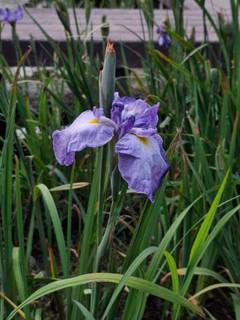
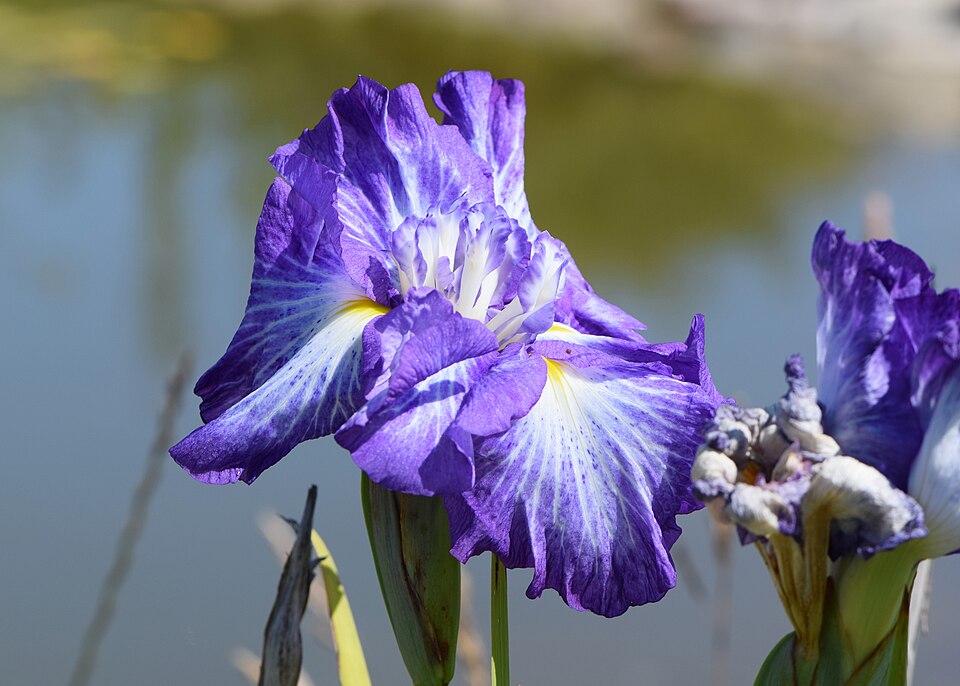
Iris ensata 'Cascade Spice' is a Japanese iris, growing 24–36 inches (60–90 cm) tall and 18–24 inches (45–60 cm) wide. Lavender-pink flowers 6–8 inches (15–20 cm) across with darker veining — the falls (lower petals) are held horizontally, creating a flat, wide flower form rather than the upright-and-pendant form of bearded iris (I. germanica). Flat horizontal falls are the genus-section trait of Japanese irises. Compared to other iris types: bearded iris (I. germanica) has upright standards + pendant falls, tolerates drought, and is susceptible to iris borer; Siberian iris (I. sibirica) has narrow falls, tolerates wet soil, and has fewer pest issues; Japanese iris (I. ensata) has flat wide falls and requires acidic wet conditions. Requires acidic soil (pH 5.0–6.5) and consistently moist to wet conditions during the growing season — drier during winter dormancy. Blooms later than Siberian iris — late spring to early summer. Deer-resistant. Mildly toxic. Zones 4–9. Grows from fibrous rhizomes planted 1–2 inches (2.5–5 cm) below soil surface (not exposed like bearded iris). Full sun to light shade. Crown rot develops in alkaline or waterlogged winter conditions. Growth rate is moderate. Divide every 3–4 years to maintain vigor.
Native Range
The species is native to Japan, Korea, China, and Russia.Suggested Uses
Grown in borders, pond edges, and rain gardens in zones 4–9, spaced 18–24 inches (45–60 cm) apart. Acidic soil (pH 5.0–6.5) with consistent moisture during the growing season. Full sun to light shade. Deer-resistant. Mildly toxic.How to Identify
Appearance
Size & Dimensions
Height2' - 3'
Width/Spread1'6" - 2'
Colors
Bloom Information
Late spring to early summer, 2–3 weeks. Lavender-pink flowers 6–8 inches (15–20 cm) with darker veining. Flat horizontal falls. Blooms later than Siberian iris.
Detailed Descriptions
Flower Description
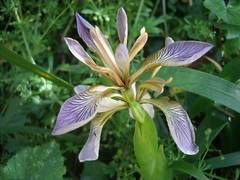
Lavender-pink with darker veining — large, FLAT, elegant flowers (the Japanese iris form = flat, not upright standards like bearded iris)Foliage Description
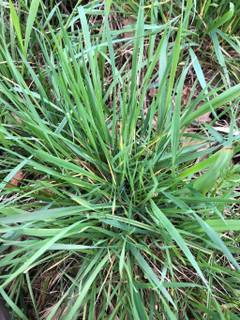
Dark green, narrow, sword-shaped, upright — more blade-like than Siberian irisGrowing Conditions
Sun Requirements
Requires 4-8 hours of direct sunlight daily
• Full Sun: 6+ hours of direct sunlight
• Partial Shade: 3-6 hours of direct sunlight
• Full Shade: Less than 3 hours of direct sunlight
Care & Maintenance
Care Guide
Full sun to light shade. Acidic soil pH 5.0–6.5. Consistently moist to wet during growing season; drier in winter dormancy. Crown rot in alkaline or waterlogged winter soil. Divide every 3–4 years. Deer-resistant. Mildly toxic. Zones 4–9.Pruning
Remove spent flower stems at the base. Leave foliage through fall — cut to ground after browning. Divide clumps every 3–4 years in late summer.Pruning Schedule
Prune: October–November
fall
Container Growing
Suitable for container growing
Minimum container size: 7 gallons