Iris, Genus, versicolor, Species,
- Genus & species
northern blue flag
Overview
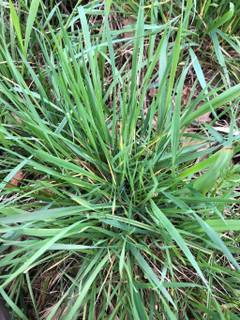
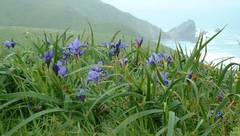
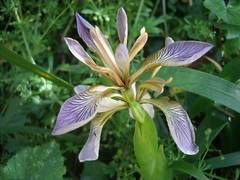
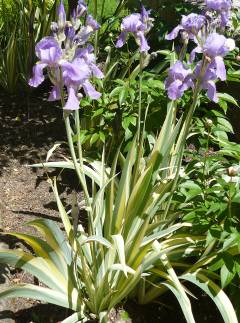
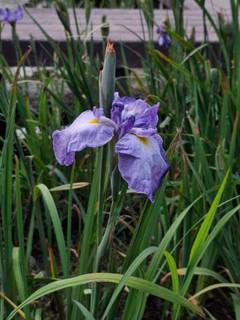
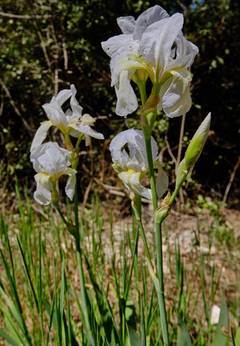
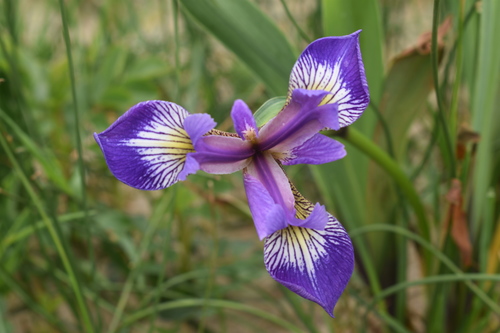
Iris versicolor is a rhizomatous, clump-forming perennial 24-36 in (60-90 cm) tall, with erect, sword-shaped grey-green leaves 0.4-1 in (1-2.5 cm) wide rising in fans from a stout, creeping rhizome. From late spring into early summer, branched stems carry two to several violet-blue flowers 2.5-4 in (6-10 cm) across, each with three down-curved falls marked with a yellow and white signal patch veined in purple, and three smaller upright standards. The flowers are followed by three-parted capsules holding rows of flat brown seeds. The thick rhizome and all parts contain irritant compounds and are toxic if eaten. The plant spreads slowly into broad clumps along the rhizome and dies back to the rootstock in winter. It grows in wet meadows, marshes, pond margins, and along streams and shores across northeastern North America, on consistently moist to wet, acidic soils. It tolerates standing water but not prolonged drought.
Native Range
Native to northeastern and north-central North America, from Manitoba and Newfoundland south to Virginia and Minnesota, where it grows in marshes, wet meadows, swamps, and along ponds, streams, and shores.Suggested Uses
Grown at pond and stream margins, in rain gardens, bog gardens, and moist borders, and in wetland restoration plantings. The flowers support bees and other pollinators, and the dense rhizomes help stabilise wet banks and shorelines.How to Identify
Appearance
Size & Dimensions
Height2' - 3'
Width/Spread1'6" - 2'
Bloom Information
Flowering occurs from late spring into early summer, mainly May to July depending on latitude. Each branched stem opens two to several flowers in succession over two to three weeks. Plants in cooler northern wetlands bloom later than southern populations.
Detailed Descriptions
Foliage Description
grey-greenGrowing Conditions
Sun Requirements
Requires 4-10 hours of direct sunlight daily
• Full Sun: 6+ hours of direct sunlight
• Partial Shade: 3-6 hours of direct sunlight
• Full Shade: Less than 3 hours of direct sunlight
Care & Maintenance
Care Guide
Iris versicolor grows in full sun to part shade on consistently moist to wet, acidic soils, and thrives at pond margins and in shallow standing water up to a few inches deep. It tolerates ordinary garden soil if kept reliably moist but declines in dry ground. The rhizomes are planted at or just below the surface in late summer or early autumn. Established clumps need little care beyond dividing every few years to relieve congestion. Iris borer and leaf spot can affect plants, especially in crowded, poorly aired stands.Pruning
Spent flower stems are cut back after blooming to limit seeding, unless seed is wanted. The foliage is left to die down naturally and removed in late autumn. Congested clumps are lifted and divided in late summer to maintain flowering.Container Growing
Suitable for container growing
Minimum container size: 3 gallons