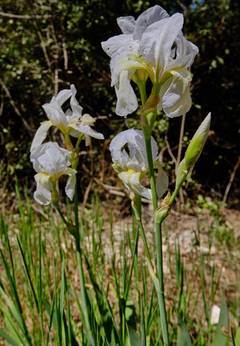
Iris, Genus, germanica, Species, 'Champagne Elegance', Cultivar,
- Genus & species
- Cultivar
champagne elegance reblooming iris
Hybrid of garden origin; parent species native to southern Europe and eastern Mediterranean
Overview
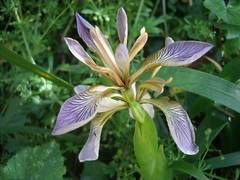
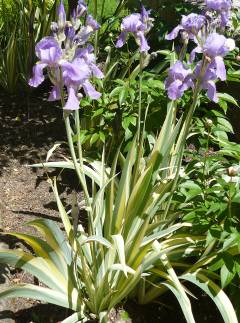
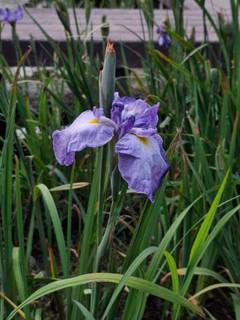
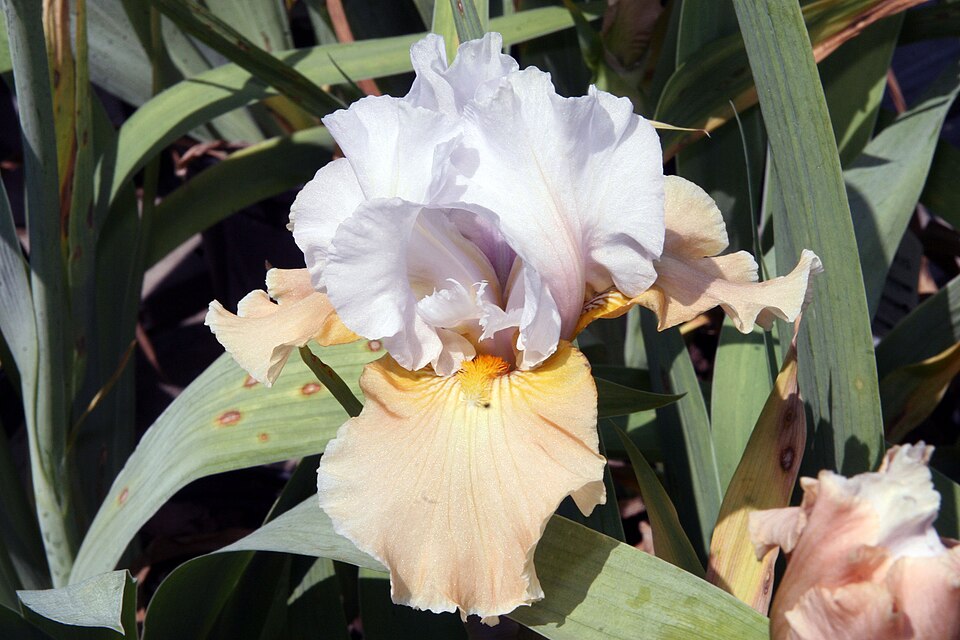
Iris germanica 'Champagne Elegance' is a clump-forming reblooming tall bearded iris reaching 32-37 inches (81-94 cm) tall with similar spread over 3-4 years. Sword-shaped basal leaves grow 18-24 inches (45-60 cm) long, gray-green, arranged in fans from thick rhizomes at the soil surface. Flower stalks rise above the foliage in late spring carrying 6-9 buds that open in succession over 2-3 weeks. Each flower is 5-6 inches (13-15 cm) across with three upright ruffled standards in pale champagne-pink and three flaring falls in deeper apricot-pink, lightly ruffled along the edges; the falls bear a tangerine-orange beard along the central ridge. Light sweet fragrance is detectable within 12 inches (30 cm). A second bloom flush develops in late August through October in zones 5-9 if growing conditions remain favorable; rebloom is unreliable in zones 3-4 due to insufficient season length. Foliage remains semi-evergreen in zones 7-9 and dies back to the rhizome in zones 3-6. Bacterial soft rot can develop if rhizomes are buried or kept in waterlogged soil, and iris borer larvae tunnel into rhizomes in regions east of the Rocky Mountains.
Native Range
Iris germanica is a hybrid of garden origin; its parent species are native to southern and central Europe and the eastern Mediterranean from Spain to Turkey, found on dry rocky slopes and disturbed open ground. 'Champagne Elegance' is a modern reblooming cultivar developed in cultivation and has no native range.Suggested Uses
Commonly planted in mixed perennial borders and dedicated reblooming iris beds at 18-24 inch (45-60 cm) spacing. Used for cut flowers; stems last 2-3 days in water. Container culture is possible in 5-gallon (19 L) pots or larger with sharp drainage, though clumps require division every 2 years in containers.How to Identify
Appearance
Size & Dimensions
Height2'8" - 3'1"
Width/Spread1'6" - 2'
Bloom Information
Blooms late May through mid-June in zones 5-7, with a second flush from late August through October in favorable conditions. In zones 8-9, spring flowering may begin in mid-April and rebloom may extend into November. Cool spring weather lengthens the spring bloom; sustained heat above 90°F (32°C) suppresses both bloom flushes.
Detailed Descriptions
Flower Description
Pale champagne-pink standards with apricot-pink falls and tangerine beardFoliage Description
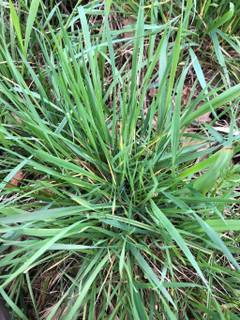
Gray-greenGrowing Conditions
Sun Requirements
Requires 6-10 hours of direct sunlight daily
• Full Sun: 6+ hours of direct sunlight
• Partial Shade: 3-6 hours of direct sunlight
• Full Shade: Less than 3 hours of direct sunlight
Care & Maintenance
Care Guide
Water deeply at planting and weekly through the first growing season; established plants tolerate 3-4 weeks without rain, though reblooming cultivars produce more reliable fall flowers when soil moisture is maintained through summer. Rhizomes are planted at or just below the soil surface with the upper half exposed; rhizomes buried more than 1 inch (2.5 cm) deep are prone to bacterial soft rot. Iris borer larvae tunnel into rhizomes in regions east of the Rocky Mountains; affected rhizomes feel soft and require excision or replacement. Reblooming cultivars are heavier feeders than once-blooming types; low-nitrogen fertilizer is typically applied in early spring and again immediately after spring bloom to support fall flowering. Division every 3-4 years in mid to late summer is typical when flower production declines; replanting uses firm rhizome sections with 2-3 leaf fans. Bacterial soft rot develops in waterlogged soil and produces a foul odor; affected rhizome sections must be removed.Pruning
Spent flower stalks are cut to the base after bloom to redirect energy to rhizomes and prevent seed formation; for reblooming cultivars, this matters most for supporting a second flush. Yellowing or browning leaf fans are removed throughout the season; entire fans showing rot symptoms are cut to the rhizome and discarded. Foliage is cut to 6 inches (15 cm) above the rhizome in late fall after rebloom finishes to remove overwintering iris borer eggs. Spring foliage is left intact until new growth begins.Pruning Schedule
Prune: June–July & October–November
summerfall
Container Growing
Suitable for container growing
Minimum container size: 5 gallons