No machine-readable author provided. H-stt assumed (based on copyright claims)., no rights reserved (CC0) · Wikimedia Commons
Iris, Genus, douglasiana, Species,
- Genus & species
douglas iris
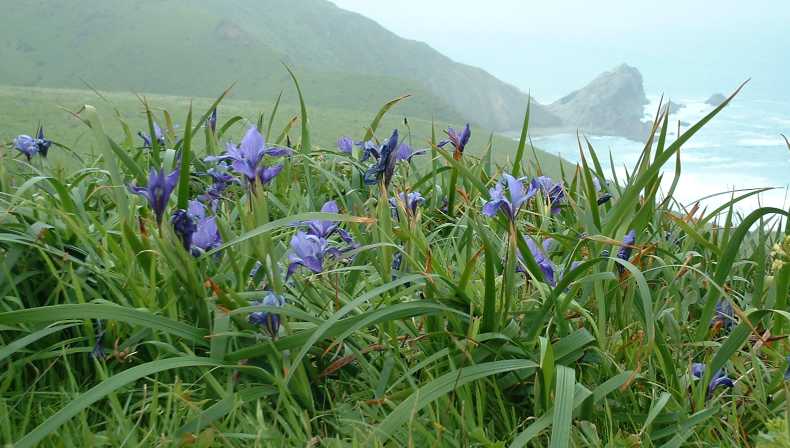
Pacific Coast North America (southern Oregon through central California; coastal grasslands, coastal bluffs, open woodland edges)
Overview
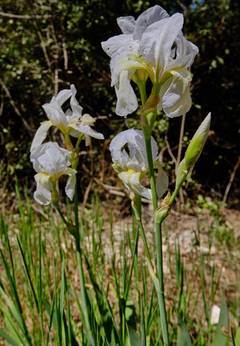
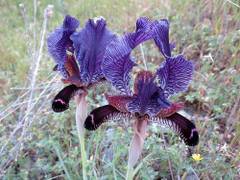
Iris douglasiana is a clump-forming evergreen rhizomatous perennial in the iris family (Iridaceae) reaching 12–24 inches (30–60 cm) tall with a spread of 12–18 inches (30–45 cm). This Pacific Coast native iris (PCI, section Californicae) carries flowers across a wide color range — deep purple-blue, lavender, blue-violet, cream, and occasionally pure white — with contrasting veining on the falls that reads at close range. Individual flowers run 3–4 inches (8–10 cm) across and carry the characteristic iris flower form: three upright standards and three drooping falls. Dark green tough strap-shaped evergreen leaves run 12–24 inches (30–60 cm) long and 0.3–0.5 inches (8–13 mm) wide, forming dense grasslike clumps that hold structure through the full year. The species spreads through creeping rhizomes across the soil surface and builds wider colonies over several growing seasons. Drought tolerance develops once the root system has established after the first two seasons. Growth rate runs moderate. Hardy to zone 7.
Native Range
Iris douglasiana is native to the Pacific Coast of North America, where wild populations range from southern Oregon south through central California. The species grows in coastal grasslands, on coastal bluffs, and along open woodland edges within the Pacific-facing fog-belt habitat zone. The species name honors David Douglas, the Scottish botanist who collected plants in the Pacific Northwest during the 1820s and 1830s.Suggested Uses
Grown in rock gardens, Mediterranean-style gardens, coastal plantings, and native wildflower meadows at 12–18 inch (30–45 cm) spacing. The evergreen foliage carries year-round structure across the garden, which separates this iris from the deciduous bearded iris group. Drought tolerance after establishment means no summer irrigation is needed in Pacific Coast climate zones, matching the natural rainfall pattern of the native range. The Pacific Coast native status suits the species for native-plant garden compositions across its natural range. The species resents transplanting after establishment, so siting in the permanent location during initial planting matters for long-term performance. Wet soils, heavy clay, and summer-irrigated beds are all unsuitable given the cultural profile.How to Identify
Appearance
Size & Dimensions
Height1' - 2'
Width/Spread1' - 1'6"
Bloom Information
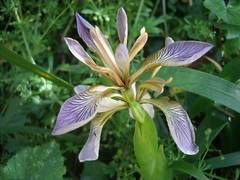
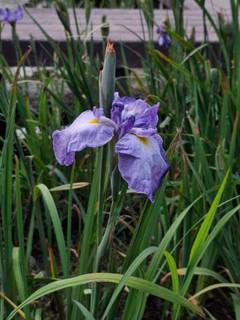
Flowers 3–4 inches (8–10 cm) across in purple-blue, lavender, blue-violet, cream, or white tones with contrasting veining on the falls, open from April through May across a 3–4-week bloom window. Each flower stem carries 2–3 flowers that open sequentially over the bloom period.
Detailed Descriptions
Flower Description
Purple-blue, lavender, blue-violet, cream, or white with contrasting veining on falls; 3-4 inches; beardlessFoliage Description
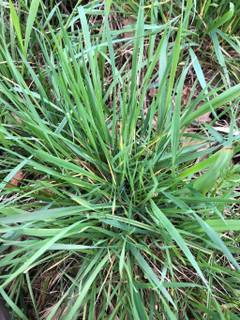
Dark green tough strap-shaped 12-24 inches long and 0.3-0.5 inches wide; evergreen; dense grasslike clumpsGrowing Conditions
Sun Requirements
Requires 4-8 hours of direct sunlight daily
• Full Sun: 6+ hours of direct sunlight
• Partial Shade: 3-6 hours of direct sunlight
• Full Shade: Less than 3 hours of direct sunlight
Care & Maintenance
Care Guide
Grows in full sun to partial shade in well-drained acidic to neutral soil at pH 5.5–7.0, tolerating loam, sand, and rocky substrates. Hardy to zone 7. Drought tolerance develops once the root system has established after the first two growing seasons, and summer watering of established plants is avoided because the species prefers dry summer soil conditions matching the Mediterranean rainfall pattern of the native range. Pacific Coast irises resent transplanting once established, so planting from container stock with minimal root disturbance during the initial planting sets up the cleanest establishment outcome. Poor rocky soils run within the cultural tolerance range.Pruning
Spent flower stems are removed after bloom ends in May or June. The evergreen foliage persists year-round, and only brown or damaged leaves are removed during the maintenance cycle rather than cutting the clump back entirely. Clump division is done in autumn if the colony has become overcrowded, with careful handling of the rhizomes during the division process to minimize root disturbance.Pruning Schedule
Prune: June
summer
Container Growing
Suitable for container growing
Minimum container size: 3 gallons