Iris, Genus, florentina, Species,
- Genus & species
florentine iris
Overview
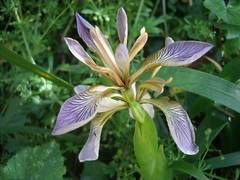
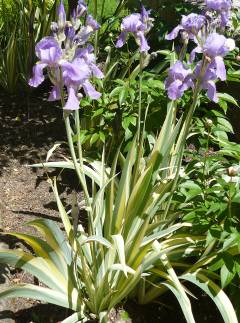
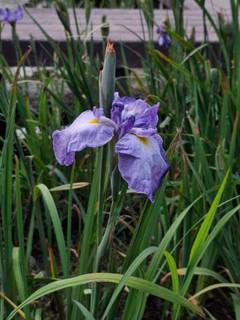
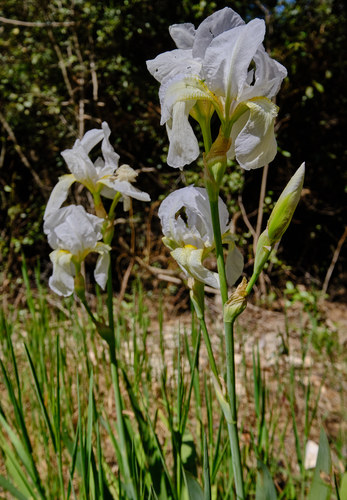
Iris florentina (sometimes treated as I. germanica var. florentina) is a rhizomatous bearded iris in the Iridaceae family, growing 24–36 inches (60–90 cm) tall and 12–18 inches (30–45 cm) wide. The species has been cultivated since antiquity — it is the fleur-de-lis of Florentine heraldry and the primary source of orris root, a fragrance ingredient derived from the dried, aged rhizome. Leaves are sword-shaped, glaucous grey-green, 12–18 inches (30–45 cm) long and 1–1.5 inches (2.5–4 cm) wide, arranged in fans from the thick, fleshy surface rhizome. Flowers are borne 2–4 per stem, 3–4 inches (8–10 cm) across, with white to very pale blue standards (upright petals) and falls (drooping petals) marked with pale lavender veining and a yellow-orange beard. Fragrance is sweet and violet-like. The dried rhizome, peeled and aged for 3–5 years, develops an intense violet-like fragrance (due to the ketone irone) and has been used in perfumery since the Renaissance — Florence was historically the centre of the orris root trade. The species is drought-tolerant once established, thriving in hot, dry, well-drained positions. Susceptible to iris borer (Macronoctua onusta) in eastern North America, bacterial soft rot (Erwinia carotovora) in wet conditions, and iris leaf spot.
Native Range
Iris florentina is of uncertain wild origin, having been cultivated in the Mediterranean region since ancient times. It is likely native to the eastern Mediterranean (Turkey, Greece) or may be an ancient hybrid of I. germanica origin. It has naturalised across southern Europe, particularly in Tuscany, where it was grown commercially for orris root production.Suggested Uses
Planted in sunny borders, raised beds, and along walls, spaced 12–18 inches (30–45 cm) apart. The drought tolerance and heat preference suit Mediterranean-style gardens and gravel plantings. Historically grown commercially in Tuscany for orris root production — rhizomes are harvested from plants 3+ years old, peeled, and dried for 3–5 years before use in perfumery. Combines with lavender, rosemary, and other drought-tolerant Mediterranean perennials.How to Identify
Appearance
Size & Dimensions
Height2' - 3'
Width/Spread1' - 1'6"
Bloom Information
Flowers open from late April through May in the Pacific Northwest. Each stem bears 2–4 flowers opening sequentially over 10–14 days. Individual flowers last 3–5 days. Fragrance is most perceptible in warm afternoon air. Bloom period is approximately 2–3 weeks total.
Detailed Descriptions
Flower Description
White to very pale blue-white with yellow-orange beardFoliage Description
Glaucous grey-greenGrowing Conditions
Sun Requirements
Requires 6-10 hours of direct sunlight daily
• Full Sun: 6+ hours of direct sunlight
• Partial Shade: 3-6 hours of direct sunlight
• Full Shade: Less than 3 hours of direct sunlight
Care & Maintenance
Care Guide
Plant rhizomes in midsummer to early autumn in full sun in well-drained, neutral to alkaline soil with a pH of 6.5–7.5. Position the rhizome horizontally at the soil surface with the top exposed to sun — do not bury deeply, as this promotes rot. Space 12–18 inches (30–45 cm) apart, with the fan of leaves oriented in the direction of desired growth. Water at planting and during establishment; once established, the species is drought-tolerant and requires supplemental irrigation only during extended dry periods. Feed with a low-nitrogen fertiliser (e.g. 5-10-10) in early spring and again after flowering. Avoid high-nitrogen feeds, which promote soft growth susceptible to rot. Remove spent flower stems at the base after bloom. Divide congested clumps every 3–4 years in midsummer — discard old central rhizome sections and replant vigorous outer fans.Pruning
Cut spent flower stems to the base after bloom. Trim leaf fans to 6 inches (15 cm) in midsummer when dividing — this reduces transplant stress. Remove brown or spotted foliage promptly to reduce disease spread. In late autumn, cut foliage back to 4–6 inches (10–15 cm) to remove overwintering disease spores.Pruning Schedule
Prune: June & November
summerfall
Container Growing
Suitable for container growing
Minimum container size: 5 gallons