Iris, Genus, germanica, Species, 'Brilliant Idea', Cultivar,
- Genus & species
- Cultivar
brilliant idea bearded iris
Overview
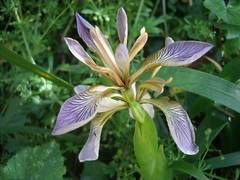
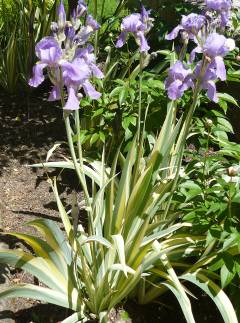
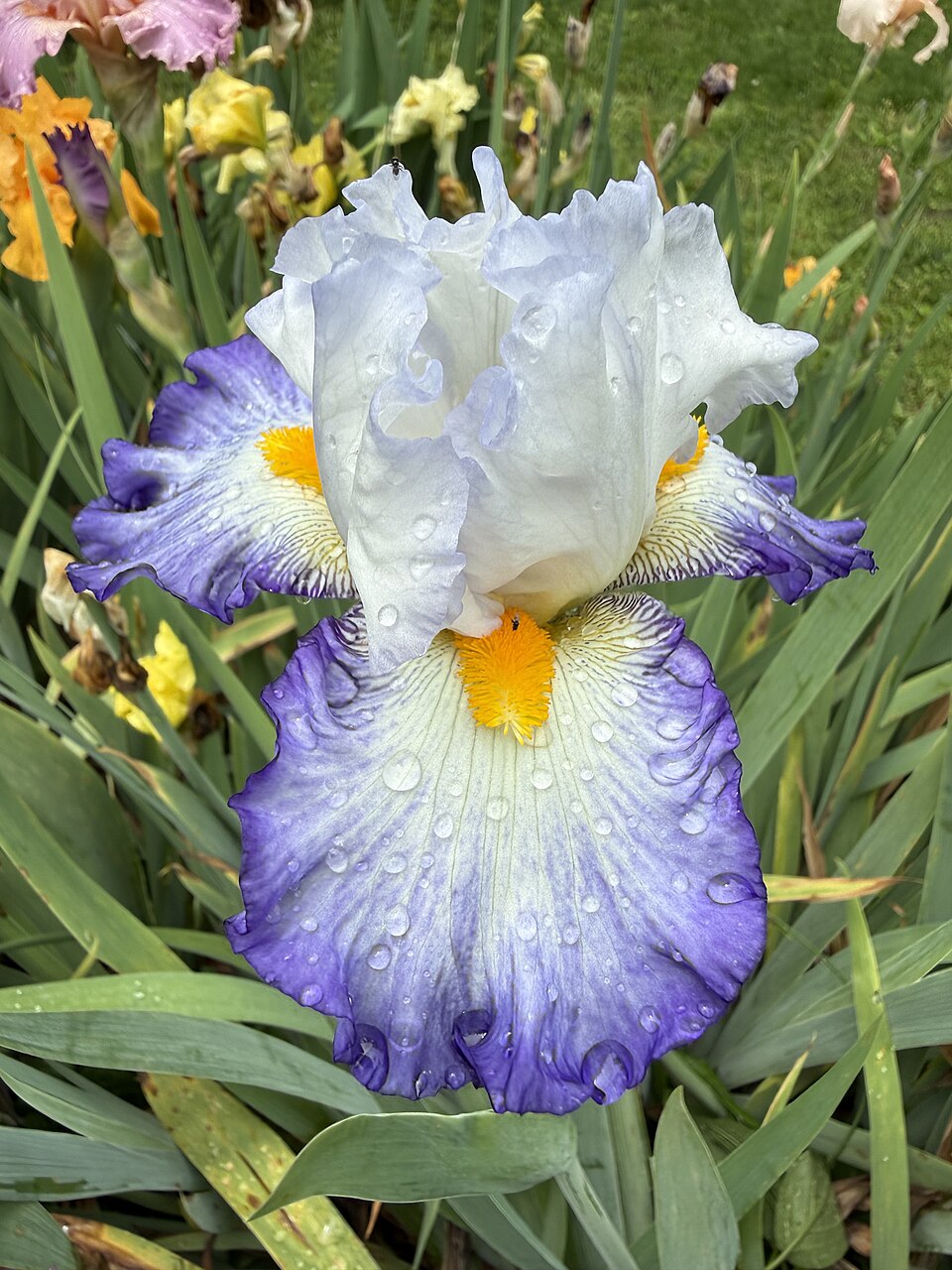
Iris germanica 'Brilliant Idea' is a tall bearded iris cultivar. Plants grow from creeping rhizomes producing fans of sword-shaped, gray-green leaves 18-24 inches (45-60 cm) long and 1-1.5 inches (2.5-4 cm) wide. Flower stalks rise 32-38 inches (80-95 cm) above the foliage in late spring, each stalk bearing 7-10 buds that open in sequence over 10-14 days. Flowers measure 5-6 inches (13-15 cm) across, with three upright standards and three semi-flaring falls bearing a central beard of stiff, colored hairs along the proximal ridge of each fall. Foliage is semi-evergreen in zones 7-10 and deciduous in zones 3-6, dying back to the rhizome after frost. Rhizomes creep 4-6 inches (10-15 cm) per year, forming clumps that decline in flowering once growth becomes congested after 3-4 years. Plants reach mature size 12-18 months from a young rhizome. Susceptible to bacterial soft rot in poorly drained sites and to iris borer (Macronoctua onusta) in eastern North America. Bloom display lasts 10-14 days per clump, with regional variation of 2-3 weeks across hardiness zones. Stalks may require staking in windy sites due to mature flowering height.
Native Range
Iris germanica 'Brilliant Idea' is a horticultural cultivar with no native range. The species Iris germanica, ancestral to most modern bearded iris cultivars, is naturalized across central and southern Europe and is considered to be of ancient hybrid origin in the eastern Mediterranean.Suggested Uses
Used in middle and back positions of mixed perennial borders, spaced 12-18 inches (30-45 cm) apart, and in cutting gardens. Cut stems hold 3-5 days in vase water; cutting in tight bud allows sequential opening indoors. Tolerates container culture in 3-5 gallon (11-19 L) pots but typically requires division within 2 years.How to Identify
Appearance
Size & Dimensions
Height2'8" - 3'2"
Width/Spread1' - 1'6"
Colors
Bloom Information
Mid-May through early June in zones 5-7, with peak bloom 10-14 days. In zones 3-4, bloom shifts to late May; in zones 8-10, flowers open in mid-April to early May. Each stalk carries 7-10 buds that open sequentially over the bloom period.
Detailed Descriptions
Flower Description
Cultivar-specific bearded iris flower colorationFoliage Description
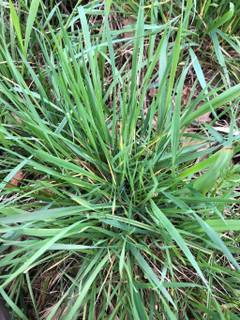
Gray-greenGrowing Conditions
Sun Requirements
Requires 6-10 hours of direct sunlight daily
• Full Sun: 6+ hours of direct sunlight
• Partial Shade: 3-6 hours of direct sunlight
• Full Shade: Less than 3 hours of direct sunlight
Care & Maintenance
Care Guide
Plant rhizomes with the top half exposed at the soil surface; burying rhizomes promotes bacterial rot. Water during dry spells in the first season, then sparingly thereafter; established bearded iris are damaged by consistent moisture. Heavy mulching directly over rhizomes traps moisture and promotes bacterial soft rot. Bacterial soft rot causes a foul-smelling slimy decay of rhizomes in wet conditions; rotted tissue is cut back to firm flesh, the rhizome sun-cured for 1-2 days, and replanted. Iris borer larvae tunnel through rhizomes in late spring and summer in eastern North America; affected sections are cut out and discarded. Divide clumps every 3-4 years in mid-summer when flowering decreases.Pruning
Trim spent flower stalks to the rhizome once all buds on a stalk have bloomed. Cut foliage back to 6 inches (15 cm) above the rhizome in late fall after killing frost. Yellowing or brown leaf tips can be trimmed to green tissue during the growing season.Pruning Schedule
Prune: June & November
summerfall
Container Growing
Suitable for container growing
Minimum container size: 3 gallons