Iris, Genus, foetidissima, Species,
- Genus & species
stinking iris
Western Europe and North Africa (hedgerows, woodland margins, dry shaded banks)
Overview
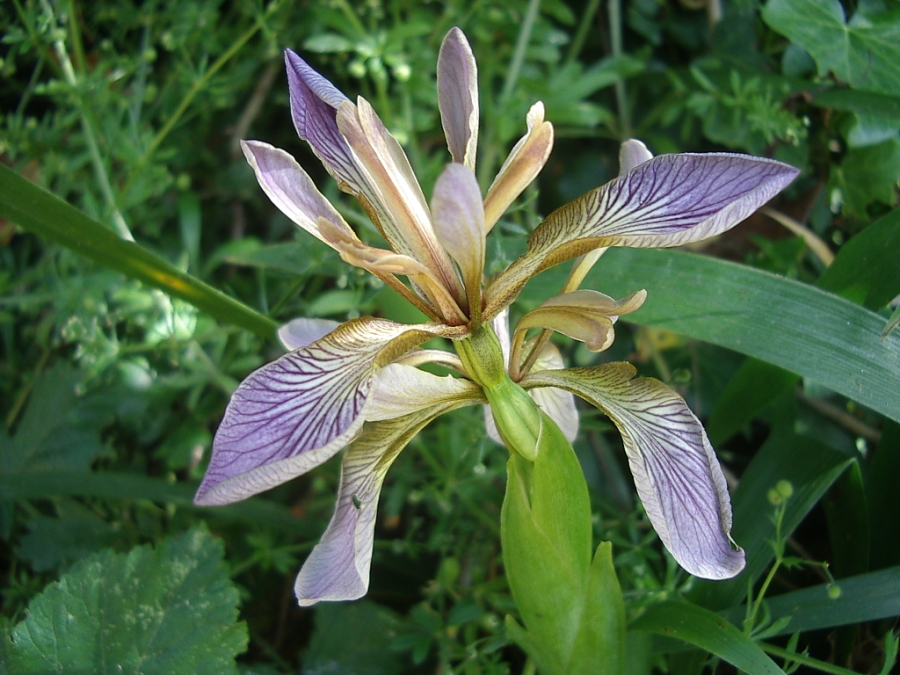
Iris foetidissima is a clump-forming evergreen rhizomatous perennial in the iris family (Iridaceae) reaching 18–24 inches (45–60 cm) tall with a spread of 18–24 inches (45–60 cm). This European species carries value primarily through its autumn-into-winter seed display rather than through its flowers — split-open seed pods reveal rows of bright orange-red fleshy seed arils that persist on the stems from October through December, which builds the main ornamental feature of the species across the colder months of the garden calendar. The flowers themselves run small and inconspicuous at 2–3 inches (5–8 cm) across in dull lilac to yellowish-purple tones with brown veining — understated flower color compared to the showy iris hybrids that dominate commercial cultivation. Dark green glossy sword-shaped evergreen leaves run 18–24 inches (45–60 cm) long and 0.5–0.75 inches (1.3–2 cm) wide. The foliage releases a meaty beef-like odor when crushed, which the species name foetidissima (fetid) references and which the common name 'stinking iris' describes directly. Deep shade and dry soil tolerance runs stronger than most iris species carry. Hardy to zone 6.
Native Range
Iris foetidissima is native to western Europe and North Africa, where wild populations grow in hedgerows, along woodland margins, and on dry shaded banks across the native range.Suggested Uses
Grown in dry-shade positions, woodland gardens, hedgerow bases, and north-facing borders at 18–24 inch (45–60 cm) spacing. The autumn-into-winter seed display with orange-red arils carries the primary ornamental value of the species, and siting the clump in positions viewed during the October through December peak-display window takes the seed-display feature into account. Deep shade and dry shade tolerance runs stronger than almost any other iris in cultivation, which gives the species a working role in the difficult dry-shade garden zone where other flowering plants struggle to perform. The flowers run inconspicuous, so the species is not chosen for flower color value. Crushed foliage carries a meaty odor when damaged, which matters for siting near paths where brushing contact occurs. Self-seeding behavior in favorable conditions means seedling succession carries the planting forward without replanting. Full-sun positions in hot climate zones and waterlogged soils are both unsuitable given the cultural profile.How to Identify
Appearance
Size & Dimensions
Height1'6" - 2'
Width/Spread1'6" - 2'
Bloom Information
Small flowers 2–3 inches (5–8 cm) across in dull lilac to yellowish-purple tones with brown veining, open from May through June across a 3–4-week bloom window. The flowers themselves run inconspicuous and do not carry the primary ornamental value. The ornamental feature of the species is the autumn seed display: split-open seed pods reveal rows of bright orange-red fleshy arils from October through December on the standing stems.
Detailed Descriptions
Flower Description
Dull lilac to yellowish-purple with brown veining; 2-3 inches; inconspicuous; Autumn: bright orange-red seed arils on split-open podsFoliage Description
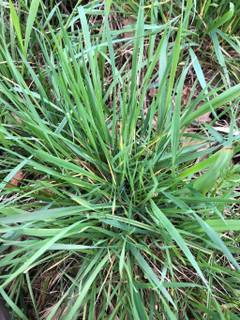
Glossy dark green sword-shaped 18-24 inches long and 0.5-0.75 inches wide; evergreen; meat-scented when crushedGrowing Conditions
Sun Requirements
Requires 1-4 hours of direct sunlight daily
• Full Sun: 6+ hours of direct sunlight
• Partial Shade: 3-6 hours of direct sunlight
• Full Shade: Less than 3 hours of direct sunlight
Care & Maintenance
Care Guide
Grows in partial shade to full shade in average to dry well-drained soil at pH 5.5–7.5, tolerating loam, clay, and sand. Hardy to zone 6. Deep shade and dry shade conditions under tree canopy run within the cultural tolerance range — the species performs reliably in these challenging garden conditions where most other irises fail. The evergreen foliage holds year-round structure across the shaded garden layer. Wet soils run outside the cultural tolerance range and should be avoided. The species self-seeds in favorable conditions and can build colonies through seedling succession over time.Pruning
Old foliage is removed in spring as new growth emerges from the crown. Seed pods are left standing on stems through autumn and winter to carry the orange-red aril display across the ornamental peak season of the species. Spent seed stems are removed in late winter after the aril display has faded and before new growth emerges.Pruning Schedule
Prune: February–March
late spring
Container Growing
Suitable for container growing
Minimum container size: 3 gallons