Rubus, Genus, 'Chester', Cultivar,
- Genus
- Cultivar
chester thornless blackberry
Hybrid cultivar (parent species native to North America and Europe)
Overview
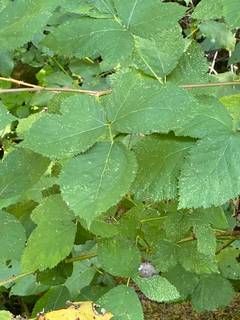
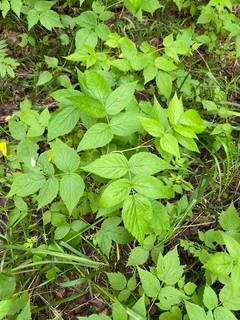
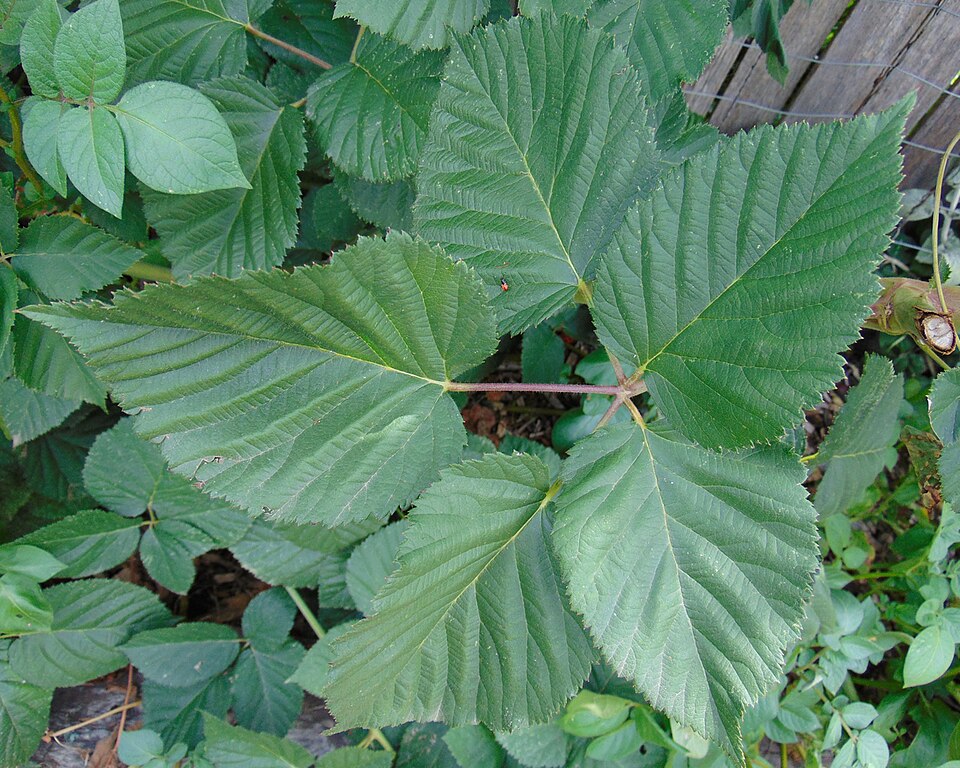
Rubus 'Chester' is a thornless semi-erect blackberry developed at the USDA Carbondale program (Southern Illinois University) and released in 1985 from a cross involving 'SIUS 47' and 'Thornfree'. Floricanes reach 84-144 inches (2.1-3.7 m) long and arch outward 48-84 inches (120-210 cm); trellising supports the cane structure. Round to oval black aggregate fruit 0.6-0.9 inch (1.5-2.3 cm) long with mildly sweet to mildly tart flavor and 9-12 °Brix sugar content. Ripens late season — early August through September in most zones. Self-fertile — single plants produce fruit. White to pale pink flowers 0.8-1 inch (2-2.5 cm) across in late spring on second-year canes. Compound palmately divided leaves with 3-5 medium green leaflets, each 2-4 inches (5-10 cm) long, with serrated margins. Canes are completely thornless. Cold hardy to USDA zone 5, surviving winter low temperatures to -10°F (-23°C). Cane blight (Leptosphaeria coniothyrium) and anthracnose (Elsinoë veneta) occur in wet seasons. Yields 10-20 pounds (4.5-9 kg) per established plant in full production. Lifespan 10-15 years per crown. Zones 5-9.
Native Range
Rubus 'Chester' is a hybrid cultivar with no native range; the parent Rubus species are native to North America and Europe. The cultivar was released by the USDA Agricultural Research Service in cooperation with Southern Illinois University at Carbondale in 1985.Suggested Uses
Grown in home orchards, commercial brambles, and edible landscapes at 60-96 inch (150-240 cm) in-row spacing with 96-120 inch (240-300 cm) row spacing in zones 5-9. Trellising is needed for the long semi-erect canes. Self-fertile — single plants set fruit without a pollinator. Late ripening extends the blackberry harvest into September in many regions.How to Identify
Appearance
Size & Dimensions
Height7' - 12'
Width/Spread4' - 7'
Bloom Information
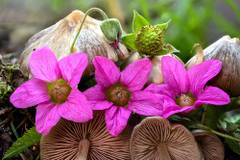
White to pale pink flowers 0.8-1 inch (2-2.5 cm) across in late spring (May-June depending on zone) on second-year canes after leaf emergence. Bloom lasts 2-3 weeks. Self-fertile — single plants set fruit without a pollinator. Late blooming reduces frost loss compared with early-fruiting cultivars.
Detailed Descriptions
Flower Description
White to pale pinkFoliage Description
Medium green, compound with 3-5 leaflets, serrated; yellow in fallGrowing Conditions
Sun Requirements
Requires 6-12 hours of direct sunlight daily
• Full Sun: 6+ hours of direct sunlight
• Partial Shade: 3-6 hours of direct sunlight
• Full Shade: Less than 3 hours of direct sunlight
Care & Maintenance
Care Guide
Full sun (6+ hours) for fruit production and sugar development. Loam, sandy loam, or rocky soils with pH 5.5-7.0 and good drainage; tolerates short periods of summer drought once established. Water deeply weekly during establishment and during fruit ripening; drought during ripening reduces fruit size. Trellising on a 2-3 wire system at 36-72 inches (90-180 cm) above ground supports the long canes and keeps fruit off the soil. Cane blight (Leptosphaeria coniothyrium) and anthracnose (Elsinoë veneta) infect canes in wet seasons. Cold hardy to USDA zone 5; primocane survival is reduced below -10°F (-23°C) without snow cover. Zones 5-9.Pruning
Prune in late winter or early spring before bud break. Cut floricanes (second-year canes that fruited the previous summer) to ground level after harvest, since they will not fruit again. Tip primocanes (first-year canes) when they reach 36-48 inches (90-120 cm) to encourage lateral branching and increase fruiting points the following year. Thin lateral branches to 12-18 inches (30-45 cm) long in late winter.Pruning Schedule
Prune: February–March & August
winterearly springsummer