Strobilanthes, Genus, spp., Multiple species,
- Genus
- Multiple species
coneflowers
Overview
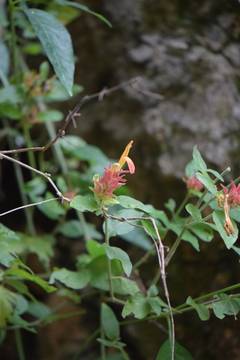
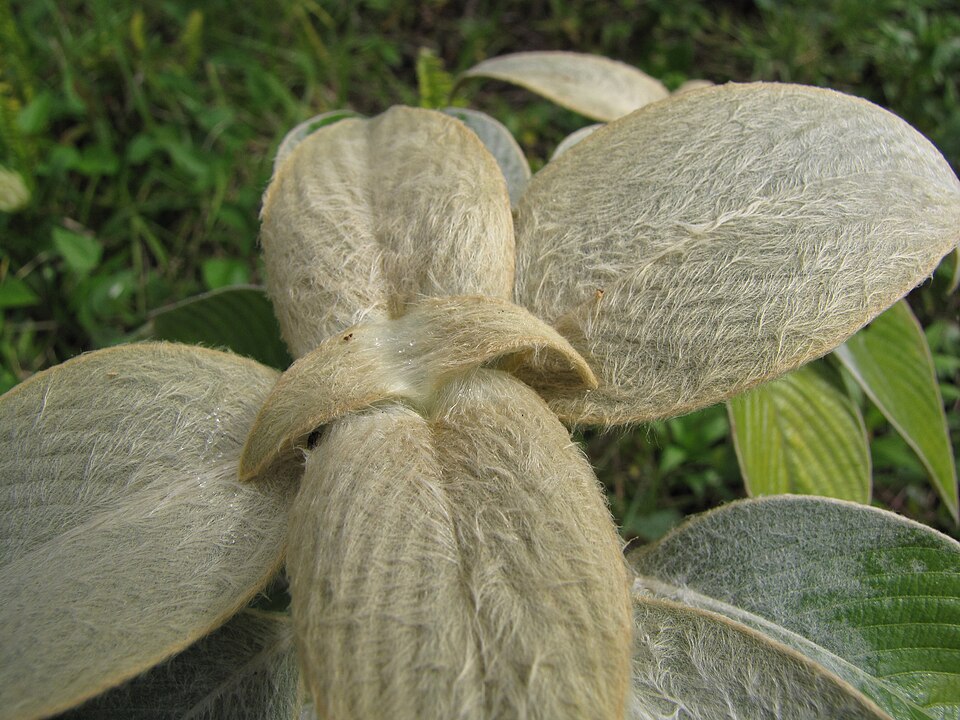
Strobilanthes is a large genus of around 350 species of subshrubs, shrubs, and perennials in the acanthus family, Acanthaceae, centred on tropical and subtropical Asia. Most form bushy plants 1 to 6 feet (0.3 to 1.8 m) tall with paired, toothed leaves and tubular, two-lipped flowers in blue, violet, purple, pink, or white, carried in spikes or loose clusters. S. dyeriana, the Persian shield, is grown for its iridescent purple and silver leaves rather than its flowers, while S. kunthiana, the kurinji of southern India, is known for flowering in mass once every twelve years and then dying. Several species are gregarious or plietesial, meaning whole populations bloom together at long intervals before setting seed and dying back. The genus ranges through forest edges, hill slopes, and clearings, mostly in warm, humid, frost-free climates. Plants grow quickly in warm, moist, sheltered conditions and are damaged by frost, so in temperate regions the foliage forms are grown as tender bedding or houseplants. Many species are short-lived and need renewal from cuttings or seed. The genus is grown for colourful foliage and seasonal flowers, though most species are intolerant of cold, dry air.
Native Range
Strobilanthes is native to tropical and subtropical Asia, from India and Sri Lanka through the Himalayas, China, and Southeast Asia to Malesia, with a few species in Madagascar and Australia. S. dyeriana comes from Myanmar, and S. kunthiana from the hills of southern India. The genus is not native to North America.Suggested Uses
Strobilanthes are grown for foliage and flowers in shaded borders, containers, and conservatories, and S. dyeriana is a tender foliage plant for summer bedding and pots. The purple-leaved forms contrast with green and silver plantings. The flowering species suit warm, sheltered gardens and woodland-edge settings.How to Identify
Appearance
Size & Dimensions
Height1' - 6'
Width/Spread1' - 4'
Bloom Information
Flowering time varies widely across the genus. Many tropical species bloom from late summer into autumn and winter, with several flowering in the cooler months. The mass-flowering kurinji blooms only once every twelve years, covering hillsides in blue-purple for a few weeks before the plants set seed and die.
Detailed Descriptions
Flower Description
Blue, violet, purple, pink, or whiteFoliage Description
Green, or metallic purple and silver in S. dyerianaGrowing Conditions
Sun Requirements
Requires 3-6 hours of direct sunlight daily
• Full Sun: 6+ hours of direct sunlight
• Partial Shade: 3-6 hours of direct sunlight
• Full Shade: Less than 3 hours of direct sunlight
Care & Maintenance
Care Guide
Most species grow in part shade to filtered sun in moist, fertile, free-draining soil with shelter from wind and strong midday sun. They need warmth and steady moisture and are frost tender, surviving outdoors only in roughly USDA zones 9 to 11. In colder areas the foliage species are grown as annual bedding or as houseplants in bright, humid spots. A soil pH from about 5.5 to 7.0 suits the genus. The colour of S. dyeriana is strongest in bright, indirect light with regular feeding. Pinching keeps plants bushy, and many species are renewed every year or two from cuttings as they become woody and sparse.Pruning
Pinching the growing tips of foliage species through the growing season keeps them dense and well coloured. Plants are cut back hard in spring to renew leggy growth, with cuttings taken at the same time. Spent flowering stems are removed after bloom.Container Growing
Suitable for container growing
Minimum container size: 3 gallons