Spathodea, Genus, campanulata, Species,
- Genus & species
African tulip tree
Overview
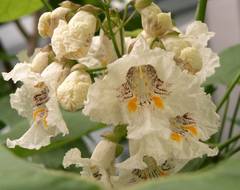
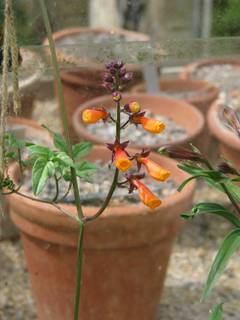
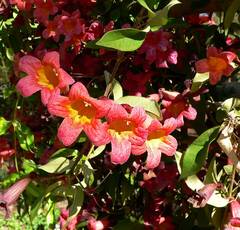
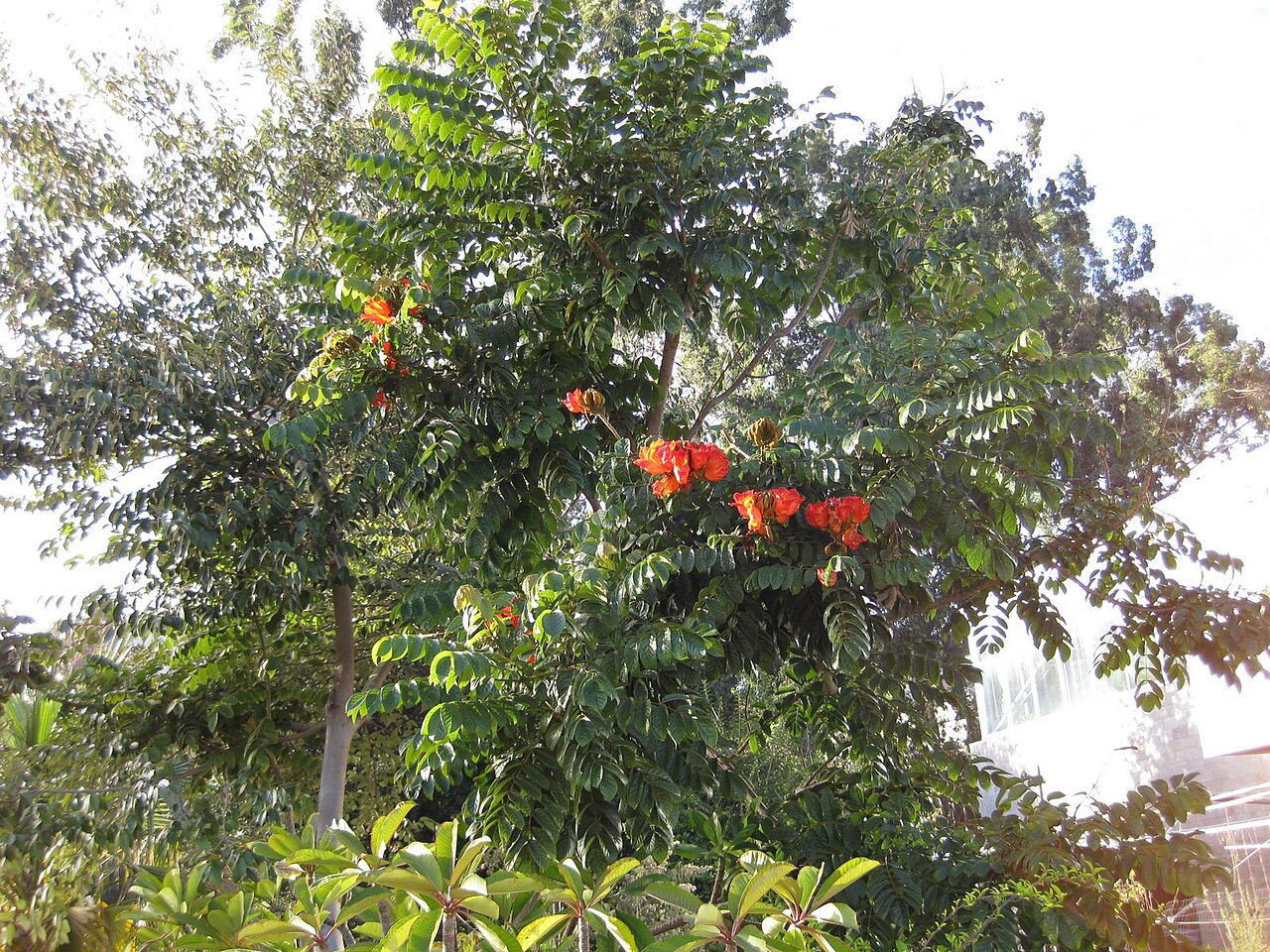
Spathodea campanulata is a fast-growing tree 25-80 feet (7-25 m) tall with an upright rounded crown 25-40 feet (7.5-12 m) across and a buttressed trunk to 5 feet (1.5 m) in diameter. Leaves are opposite and pinnate, 12-20 inches (30-50 cm) long, with 5-9 pairs of dark green leaflets. Flowers open from dense terminal racemes: the buds are curved, boat-shaped, and hold water under pressure, and the open flower is a bell 3-4 inches (7.5-10 cm) long, orange-scarlet with a crinkled yellow margin. Only the outer ring of buds in each head opens at a time, so a head stays in flower for several weeks. Capsules are woody, boat-shaped, 5-10 inches (13-25 cm) long, and split to release hundreds of papery winged seeds carried on wind. The wood is soft and brittle and limbs fail in storms, roots are shallow and lift paving, and seedlings and root suckers establish densely in disturbed ground. The IUCN Invasive Species Specialist Group lists it among 100 of the world invasive alien species of greatest concern, and it is a declared pest across Hawaii, Fiji, Vanuatu, and much of the Pacific.
Native Range
Spathodea campanulata is native to tropical West and Central Africa, with a natural range running from Ghana and Nigeria east to Uganda and south to Angola in moist lowland forest and forest margins below 6,600 feet (2,000 m). It was planted through the tropics from the late 19th century as an ornamental and street tree. It is now naturalized in Hawaii, the Caribbean, Central America, Southeast Asia, northern Australia, and across the Pacific islands.Suggested Uses
Planted as a shade and street tree in tropical parks and roadside verges at spacings of 40-50 feet (12-15 m) in regions where it is not regulated. Used for quick canopy cover on degraded land and as a boundary and windbreak tree in African agroforestry. The soft wood is worked into drums, carvings, and blockboard, and the bark and flowers appear in West African traditional medicine.How to Identify
Appearance
Size & Dimensions
Height25' - 80'
Width/Spread25' - 40'
Bloom Information
Flowering continues through most of the year in equatorial climates and peaks between February and May where a dry season occurs. Each head opens 4-8 flowers at a time in an outward-moving ring and keeps producing for 4-6 weeks. Individual flowers last 2-4 days before dropping whole. Capsules ripen over 4-6 months and split in dry weather, releasing seed that carries several hundred yards on wind.
Detailed Descriptions
Flower Description
Orange-scarlet with a crinkled yellow marginFoliage Description
Dark greenGrowing Conditions
Sun Requirements
Requires 6-12 hours of direct sunlight daily
• Full Sun: 6+ hours of direct sunlight
• Partial Shade: 3-6 hours of direct sunlight
• Full Shade: Less than 3 hours of direct sunlight
Care & Maintenance
Care Guide
Spathodea campanulata grows in full sun on deep, free-draining loam, clay, or volcanic soil at pH 5.5-7.5 and tolerates 3-4 dry months once established. Rainfall of 40-100 inches (1,000-2,500 mm) a year supports growth of 3-6 feet (0.9-1.8 m) annually while young. Hardiness stops at USDA zones 10-12, with foliage killed below 32F (0C) and sustained cold killing the tree. Brittle wood and shallow roots make placement the governing constraint, with 30-40 feet (9-12 m) of clearance from buildings, paving, and drains. Seed and root suckers carry the tree well beyond planting sites, and in Hawaii, Fiji, and other Pacific jurisdictions it is regulated as an invasive species with planting restricted. Powdery mildew and stem borers occur but seldom limit growth.Pruning
Pruning is carried out in summer after the main flowering flush, taking out dead wood, crossing limbs, and up to one quarter of the canopy to reduce wind load on brittle branches. Cuts over 4 inches (10 cm) in diameter decay rather than seal, so reduction to a lateral branch replaces large removals. Root suckers are cut at ground level as they appear, several times a year in wet climates. Capsules are removed before they split where seed spread is being contained.Pruning Schedule
Prune: June–July
summer