Catalpa, Genus, bignonioides, Species, 'Nana', Cultivar,
- Genus & species
- Cultivar
umbrella catalpa
Species native to southeastern United States; cultivar selected in cultivation
Overview
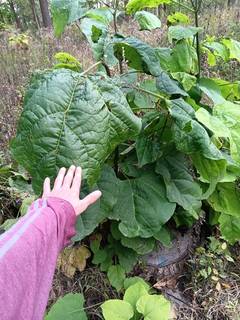
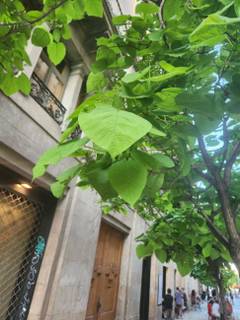
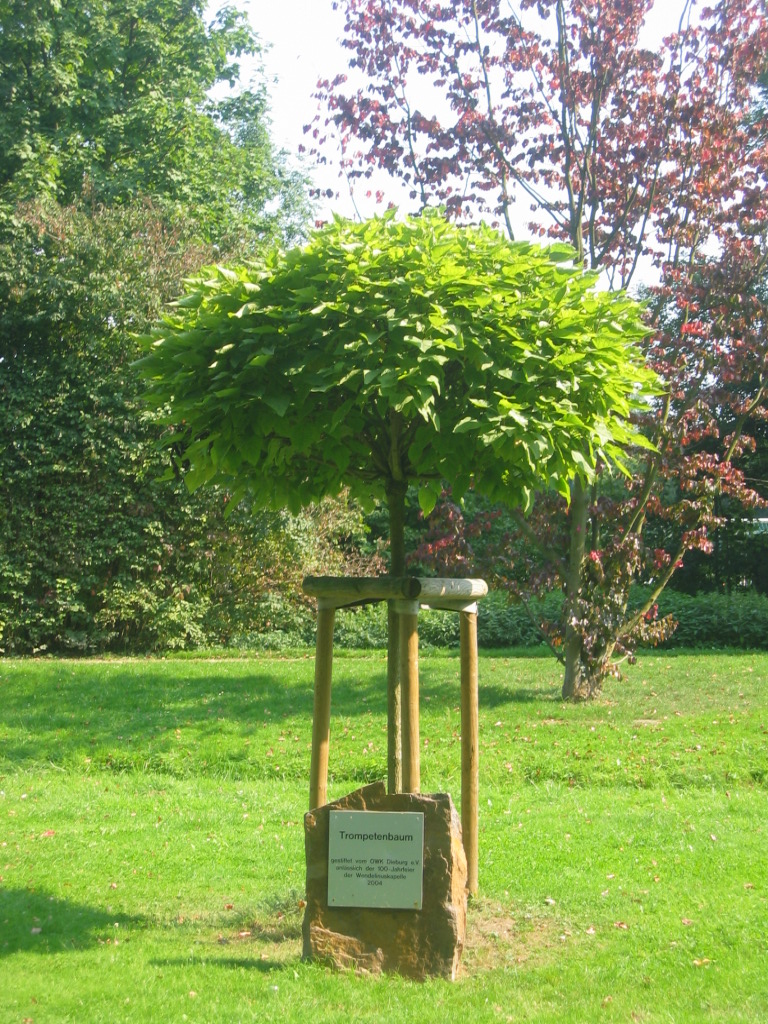
Catalpa bignonioides 'Nana' is a compact, densely rounded deciduous tree typically reaching 10–15 feet (3–4.5 m) tall with a spread of 10–15 feet (3–4.5 m) when top-grafted at 6–8 feet (1.8–2.4 m) on a C. bignonioides standard. The cultivar does not develop a central leader; instead, it forms a dense, globe-shaped to mushroom-shaped canopy of tightly packed branches. Leaves are medium green, heart-shaped, 4–8 inches (10–20 cm) long—slightly smaller than the species type—and densely packed on the short internodes. 'Nana' rarely flowers; the compact, shortened growth pattern does not produce the mature, elongating shoots that bear flower panicles. Bean-like seed pods are therefore uncommon. The overall form is a dense green dome on a clear trunk. Growth rate is slow at 4–8 inches (10–20 cm) per year. The dense canopy develops internal dead branching from self-shading. The grafted union is a point of structural weakness; heavy snow or ice loading can cause failure at the graft, and mechanical injury to the bark near the graft reduces long-term vigor. The dome shape holds without pruning but precludes use in naturalistic or informal plantings.
Native Range
The species Catalpa bignonioides is native to the southeastern United States (Mississippi to Florida and Georgia). 'Nana' was selected in cultivation in France in the mid-19th century and has been widely propagated since.Suggested Uses
Planted as a formal specimen, in paired or repeated plantings along allées and driveways, and in urban courtyard gardens at 12–15 foot (3.6–4.5 m) spacing. The dome form holds a clipped appearance without pruning. Functions as a small patio or street tree where a compact, non-spreading canopy is needed. The clear trunk and dense dome appear in European formal garden design dating to the 19th century. The absence of flowers and seed pods reduces litter compared to the species type.How to Identify
Appearance
Size & Dimensions
Height10' - 15'
Width/Spread10' - 15'
Bloom Information
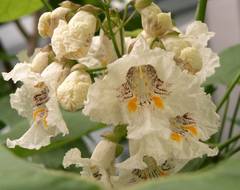
'Nana' rarely produces flowers. The compact, shortened growth pattern does not generate the mature shoots needed for flower panicle formation. Bean-like seed pods are therefore uncommon. In the rare event of flowering, panicles match the species in form.
Detailed Descriptions
Foliage Description
Medium green, heart-shaped, densely packedGrowing Conditions
Sun Requirements
Requires 6-10 hours of direct sunlight daily
• Full Sun: 6+ hours of direct sunlight
• Partial Shade: 3-6 hours of direct sunlight
• Full Shade: Less than 3 hours of direct sunlight
Care & Maintenance
Care Guide
Plant in average, well-drained soil in full sun. Tolerates clay and alkaline soils. Consistent moisture supports dense canopy development. The dense canopy develops internal dead branching from self-shading; dead wood removal in late winter keeps the canopy open. Bark damage near the graft union reduces long-term tree vigor and can lead to graft failure. Heavy, wet snow loads the dense dome and can break branches or split the graft; brushing off accumulated snow reduces load. Catalpa sphinx moth caterpillars may defoliate the tree. Verticillium wilt occurs occasionally.Pruning
Minimal pruning required; the dense, globe-shaped canopy maintains its form. Dead interior branches and any shoots emerging below the graft union are removed in late winter; suckers from the rootstock produce vigorous, species-type growth if left in place. Light canopy thinning every 2–3 years improves air circulation and reduces snow-load risk.Pruning Schedule
Prune: February–March
winterearly spring