Catalpa, Genus, bignonioides, Species, 'Aurea', Cultivar,
- Genus & species
- Cultivar
golden Indian bean tree
Southeastern United States (Mississippi to Florida and Georgia)
Overview
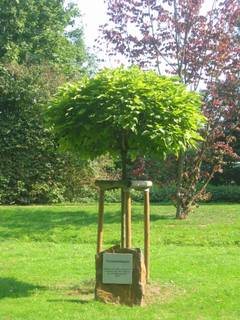
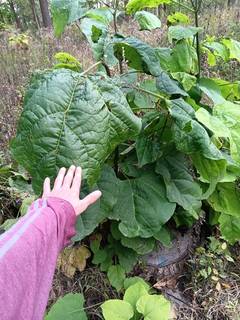
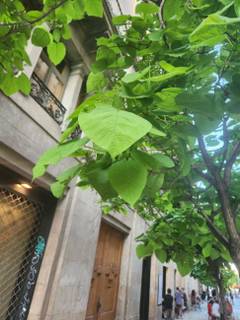
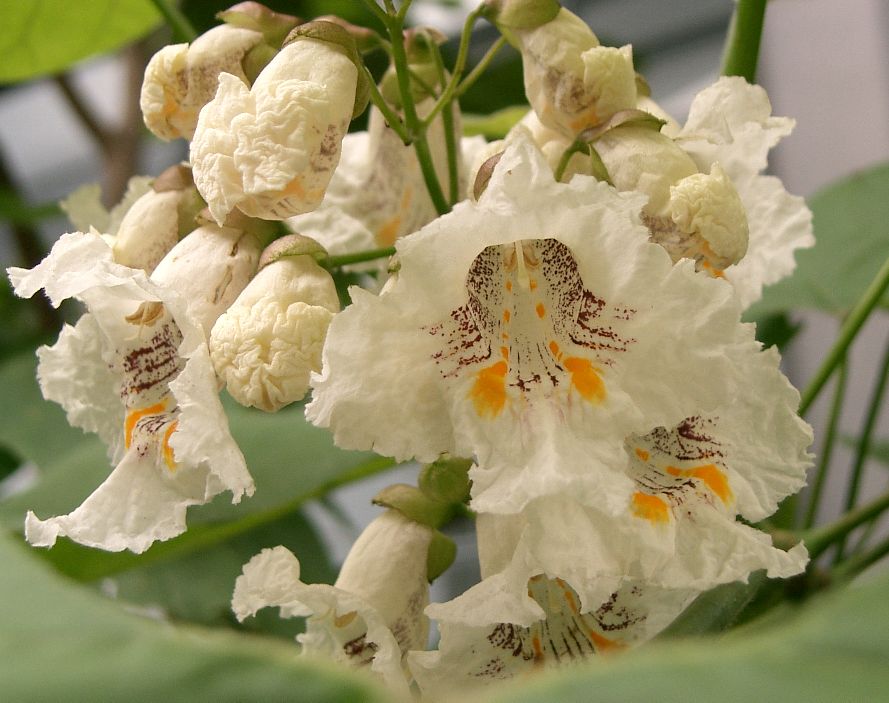
Catalpa bignonioides 'Aurea' is a medium to large deciduous tree reaching 25–40 feet (7.5–12 m) tall with a spread of 25–35 feet (7.5–10.5 m). The cultivar carries golden-yellow foliage; leaves emerge yellow-gold in spring, hold a chartreuse to yellow-green tone through summer, and turn yellow in fall. Leaves are large, heart-shaped, 6–12 inches (15–30 cm) long and 4–8 inches (10–20 cm) wide, soft-textured, and give the tree a bold, coarse-textured appearance. The crown is broadly rounded to irregular with coarse branching. White, orchid-like flowers 2 inches (5 cm) across with yellow and purple-brown throat markings open in upright panicles 8–12 inches (20–30 cm) long in June–July. Long, slender, bean-like seed pods 8–15 inches (20–38 cm) hang from the branches from fall through winter. Growth rate is moderate at 12–18 inches (30–45 cm) per year, slower than the green-leaved species type. The golden foliage develops brown scorch along leaf margins in hot, dry conditions; afternoon shade in zones 7–8 reduces scorching. The large leaves create substantial litter in fall and through the bean-pod drop in spring. Wood is brittle; branches break in ice storms and strong winds. Catalpa sphinx moth caterpillars defoliate trees in some years.
Native Range
The species Catalpa bignonioides is native to the southeastern United States, from Mississippi to Florida and Georgia, occurring along stream margins and in bottomland forests. It has naturalized widely across eastern North America. 'Aurea' was selected in cultivation in the late 19th century.Suggested Uses
Planted as a foliage specimen and shade tree at 20–30 foot (6–9 m) spacing. The golden foliage adds warm color tones to the landscape from spring through fall. Functions as a pollarded or stooled specimen with oversized foliage on a compact framework for smaller gardens. Grows in large containers of at least 15 gallons (57 L) when maintained as a pollard. The large leaves produce a coarse-textured canopy. Mature trees require open space away from structures, vehicles, and walkways given the brittle wood and leaf litter.How to Identify
Appearance
Size & Dimensions
Height25' - 40'
Width/Spread25' - 35'
Bloom Information
White, orchid-like flowers 2 inches (5 cm) across with yellow and purple-brown throat markings open in upright panicles 8–12 inches (20–30 cm) long from June through July. Bloom duration is 2–3 weeks. Flowers are fragrant with a light, sweet scent. Long, bean-like seed pods 8–15 inches (20–38 cm) develop after flowering and persist through winter.
Detailed Descriptions
Flower Description
White with yellow and purple-brown throat markingsFoliage Description
Golden-yellow (spring), chartreuse to yellow-green (summer), yellow (fall)Growing Conditions
Sun Requirements
Requires 4-10 hours of direct sunlight daily
• Full Sun: 6+ hours of direct sunlight
• Partial Shade: 3-6 hours of direct sunlight
• Full Shade: Less than 3 hours of direct sunlight
Care & Maintenance
Care Guide
Plant in average, well-drained soil in full sun to partial shade. Golden foliage color holds brightest in full sun, but in hot climates (zones 7–8), afternoon shade limits leaf scorch. Tolerates a range of soil types including clay and alkaline soils. Adaptable to both moist and moderately dry conditions once established. Coarse branching and brittle wood make the tree vulnerable to storm damage, and falling branches can damage structures, vehicles, and power lines beneath the canopy. Catalpa sphinx moth caterpillars can defoliate trees in summer; the tree typically releafs. Verticillium wilt occurs occasionally. Large leaf litter requires fall cleanup.Pruning
Prune in late winter to early spring. Remove dead, damaged, and crossing branches. The tree tolerates pollarding or stooling annually, producing vigorous, oversized foliage on a compact framework; pollarded trees do not flower. Without pollarding, minimal pruning is needed beyond structural cleanup.Pruning Schedule
Prune: February–March
winterearly spring