Image 1 of 2
1 / 2
Plant Reference
Solanum, Genus, lycopersicum, Species, 'Red Cherry', Cultivar,
- Genus & species
- Cultivar
red cherry tomato
Cultivar of garden origin: 'Red Cherry' is a vigorous indeterminate cherry tomato cultivar carried in commercial seed catalogs across many North American suppliers; the species {Solanum lycopersicum} originates from the western slopes of the Andes Mountains in South America (Peru, Ecuador, and northern Chile), where the wild ancestor species evolved across diverse microclimates from coastal valleys to high-altitude slopes; the species was first domesticated by indigenous peoples of the Andes and Mesoamerica before spreading worldwide through Spanish colonial-era trade routes
Overview
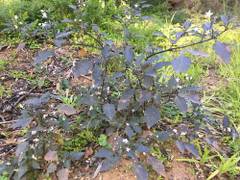
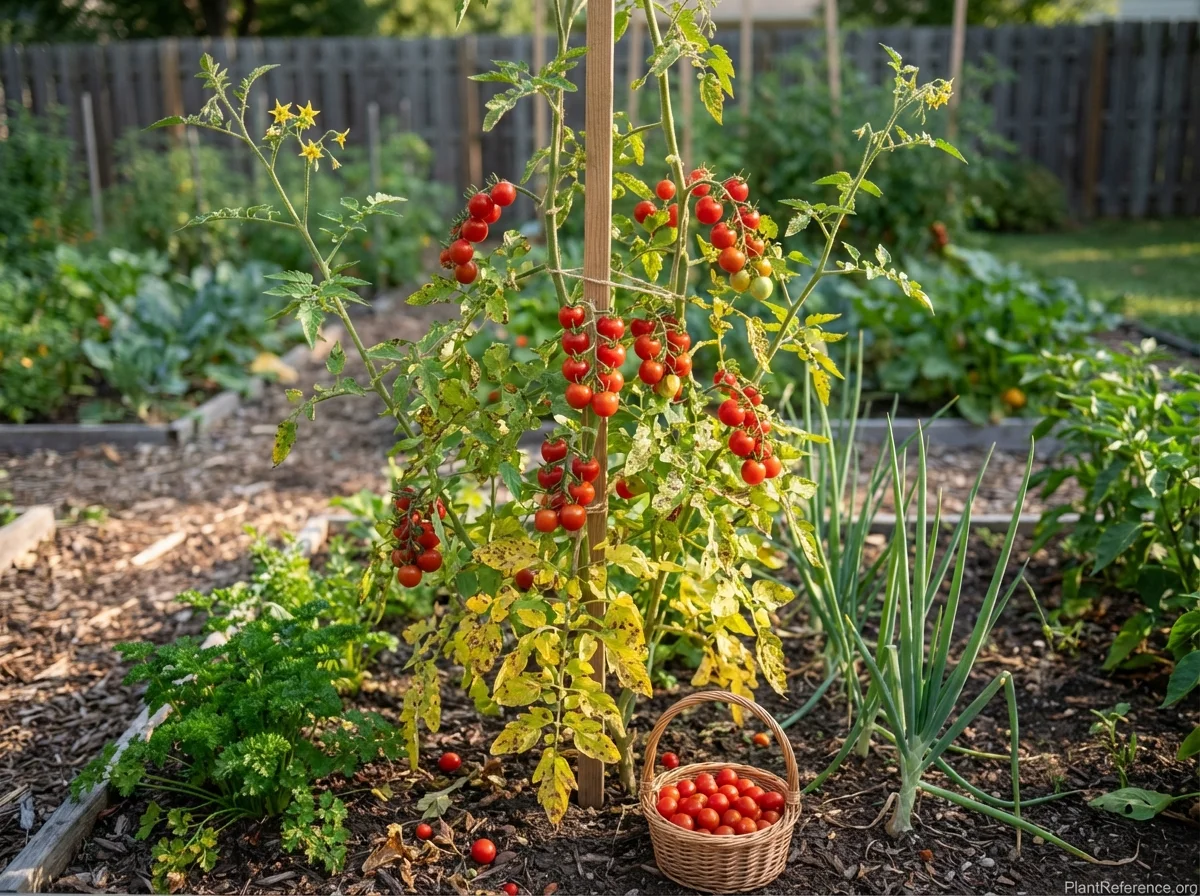
Solanum lycopersicum 'Red Cherry' is an indeterminate cherry tomato cultivar in the nightshade family (Solanaceae) reaching 48-72 inches (120-180 cm / 4-6 feet) tall with a 24-36 inch (60-90 cm) spread and a vining growth habit that requires sturdy support. The plant produces abundant clusters of small bright yellow flowers that develop into round cherry-sized fruits 0.5-1 inch (12-25 mm) in diameter. The bright red glossy fruits grow in pendant clusters of 6-12 tomatoes per truss. Each fruit has thin tender skin enclosing juicy flesh with small seed cavities. The continuous fruiting habit of the cultivar separates it from determinate types — vines produce fresh fruit from mid-summer through the first fall frost. Days to maturity 65-75 from transplant. Growth rate is fast. Cage or stake at planting time to support the heavy fruit load and the indeterminate growth pattern. Start seed indoors 6-8 weeks before last frost. The deeply pinnately compound leaves carry the typical tomato scent when brushed or crushed. All green parts contain solanine and are toxic to pets and humans in quantity; ripe red fruit is non-toxic.
Native Range
Solanum lycopersicum originates from the western slopes of the Andes Mountains in South America, particularly Peru, Ecuador, and northern Chile. The species was first domesticated by indigenous peoples of the Andes and Mesoamerica before spreading worldwide through Spanish colonial-era trade routes.Suggested Uses
Grown in vegetable gardens, raised beds, and large containers of at least 5 gallons (19 L) with adequate support structures. The clusters of bright red fruits give an ornamental dimension in edible landscape designs and kitchen gardens beyond the culinary harvest. Used for fresh eating, salads, garnishes, and small-batch preserving. The continuous harvest capability across the full growing season suits home gardeners who want fresh tomatoes through the season rather than the concentrated harvest of determinate types.How to Identify
Appearance
Size & Dimensions
Height4' - 6'
Width/Spread2' - 3'
Bloom Information
Continuous bloom from mid-summer through fall frost (June-October) across a 16-week window. Bright yellow 5-petaled flowers carried in drooping clusters. Self-pollinating, with pollen released from the anther cone by physical agitation. Fruit ripens 65-75 days from transplant. The indeterminate growth habit produces flowers and fruit simultaneously across the productive cycle.
Detailed Descriptions
Flower Description
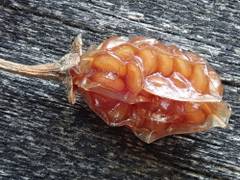
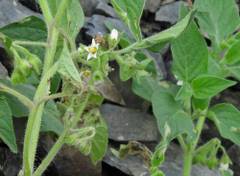
Bright yellow 5-petaled star-shaped flowers carried in drooping clusters that develop into round red cherry-sized fruits 0.5-1 inch (12-25 mm) acrossFoliage Description
Medium to dark green pinnately compound leaves with serrated leaflets arranged alternately along the stem; the foliage releases a pungent tomato scent when brushed or crushedGrowing Conditions
Sun Requirements
Requires 6-12 hours of direct sunlight daily
• Full Sun: 6+ hours of direct sunlight
• Partial Shade: 3-6 hours of direct sunlight
• Full Shade: Less than 3 hours of direct sunlight
Care & Maintenance
Care Guide
Full sun (6+ hours per day). Grows in well-drained loam soil at pH 6.0-6.8 with consistent deep watering 1-2 times weekly rather than frequent shallow irrigation. Maintain soil moisture through 2-3 inches of organic mulch around the base of the plant. Apply balanced fertilizer every 2-3 weeks during early growth, transitioning to lower-nitrogen formulations once flowering begins to encourage fruit development over excessive foliage. Install sturdy support cages or stakes at planting time to accommodate the indeterminate growth habit and heavy fruit loads. Monitor for common tomato pests such as hornworms, aphids, and whiteflies. Adequate air circulation reduces fungal disease pressure (early blight, powdery mildew).Pruning
Remove suckers that emerge in the crotch between main stems and lateral branches to direct the plant's energy toward fruit production and improve air circulation through the canopy. Remove lower leaves that contact the soil to reduce splash-borne disease pressure. Remove yellowing, damaged, or diseased foliage promptly through the growing season. Late in the season, top the plants by removing the growing tips to concentrate energy into ripening the existing fruit before frost arrives.Pruning Schedule
Prune: June–September
summer
Container Growing
Suitable for container growing
Minimum container size: 5 gallons
Toxicity Warning
Toxic to pets. The fully ripe red fruits are safe for human consumption. All green plant parts (leaves, stems, unripe green fruits) contain solanine and related glycoalkaloids that are mildly toxic if consumed in significant quantities.Planting Guide
Planting Methods & Timing
Planting Method
both
Indoor Start
6 weeks before last frost
Direct Sow Timing
after last frost when soil temperature consistently reaches 60°F
Days to Maturity
65–75 days
Plant Spacing
24 inches
Companion Planting
Avoid Planting With