Senecio, Genus, integerrimus, Species,
- Genus & species
tall western groundsel
Overview
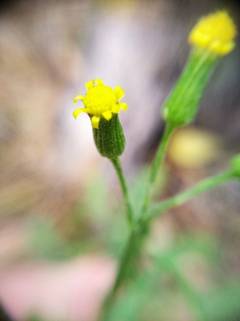
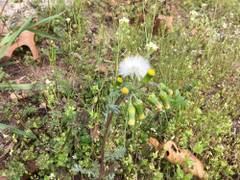
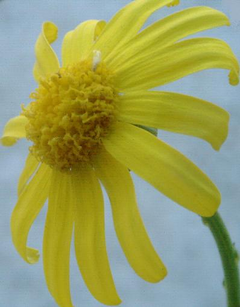
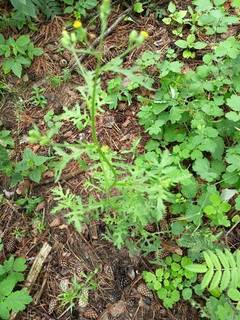
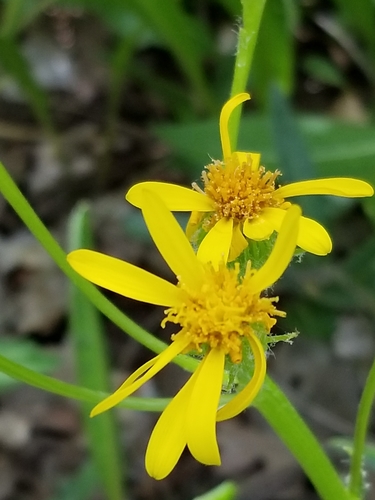
Senecio integerrimus is an herbaceous perennial in the aster family, growing from a fibrous-rooted crown to 8-28 inches (20-70 cm) tall. A single erect, unbranched stem rises from a basal rosette and carries thick, entire to slightly toothed leaves. Early growth is covered in loose white wool that wears away as stems elongate. Basal leaves measure 2-8 inches (5-20 cm) long and are oblong to lance-shaped, while stem leaves reduce in size upward and clasp the stem. Flat-topped to slightly rounded clusters of 6-25 flower heads top each stem in late spring. Each head is 0.4-0.6 inch (10-15 mm) across with 5-13 yellow to pale cream ray florets surrounding a yellow disc. Small black tips on the involucral bracts separate it from related groundsels. Flowering is followed by dry seeds carrying white pappus bristles for wind dispersal. All parts contain pyrrolizidine alkaloids that are toxic to grazing livestock and to humans if ingested, causing cumulative liver damage. The species occupies open montane meadows, sagebrush slopes, and forest clearings, where it tolerates seasonal drought once summer growth slows. It spreads only by seed and forms scattered stands rather than dense colonies, limiting its use in cultivated borders.
Native Range
Native to western North America, from British Columbia south to California and east through the Rocky Mountains to the Great Plains.Suggested Uses
Used in native plant meadows, restoration plantings, and pollinator gardens across western North America, spaced 12-18 inches (30-45 cm) apart. Its early blooms supply nectar and pollen to native bees and butterflies before many summer perennials open.How to Identify
Appearance
Size & Dimensions
Height8" - 2'4"
Width/Spread6" - 1'
Colors
Bloom Information
Detailed Descriptions
Flower Description
yellow to pale creamFoliage Description
green, grey-green when youngGrowing Conditions
Sun Requirements
Requires 6-10 hours of direct sunlight daily
• Full Sun: 6+ hours of direct sunlight
• Partial Shade: 3-6 hours of direct sunlight
• Full Shade: Less than 3 hours of direct sunlight