Senecio, Genus, glomeratus, Species,
- Genus & species
cutleaf burnweed
Southeastern Australia and New Zealand
SunFull Sun – Part Shade
WaterMedium
Overview
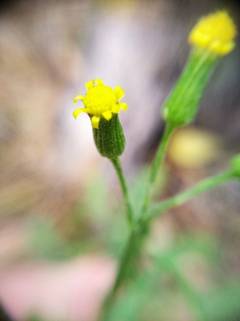
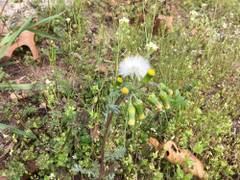
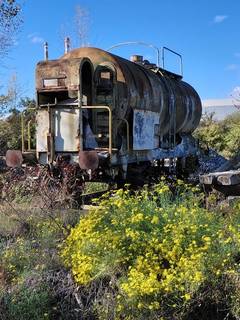
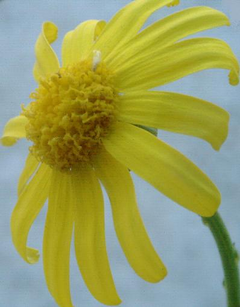
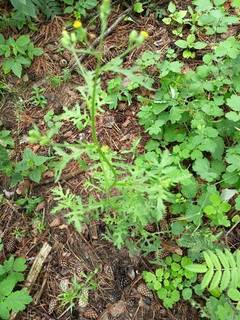
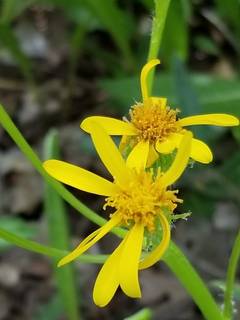
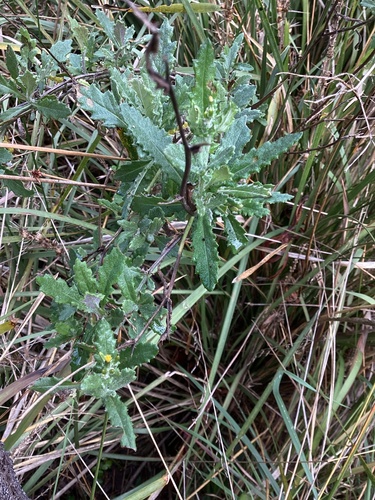
Senecio glomeratus is an erect annual or short-lived perennial herb in the daisy family, growing 1.5-5 feet (0.5-1.5 m) tall on a single branched stem. The soft leaves are 2-6 inches (5-15 cm) long, deeply lobed and toothed, and clasp the stem at the base. In summer and autumn the stem tips carry dense flat-topped clusters of small yellow flower heads about 0.2 inch (4-5 mm) wide, made up of disc florets without spreading ray petals. Each head ripens to a tuft of slender white pappus hairs, and the seeds are carried on the wind. It is native to southeastern Australia and New Zealand, where it grows on disturbed ground, forest clearings, and burnt sites, often appearing in numbers after fire. The plant is fast-growing and short-lived, completing its cycle in a season or two. Like other Senecio, it contains pyrrolizidine alkaloids that are toxic to livestock and people if eaten.
Native Range
Senecio glomeratus is native to southeastern Australia, including Tasmania, and to New Zealand. It grows on disturbed and burnt ground, in forest clearings, and along roadsides and creek banks on a range of soils.Suggested Uses
Senecio glomeratus has no horticultural use and is a self-sown colonist of disturbed and burnt ground. It plays a part in early regeneration after fire but is treated as a pasture weed because of its toxicity to stock.How to Identify
Appearance
Size & Dimensions
Height1'6" - 5'
Width/Spread1' - 2'
Bloom Information
Flowering occurs mainly in summer and autumn, with dense clusters of small yellow heads at the stem tips. Flowering can begin within a few months of germinating, and seed follows quickly on white pappus tufts. Plants often flower heavily in the season after fire.
Detailed Descriptions
Foliage Description
greenGrowing Conditions
Sun Requirements
Requires 4-10 hours of direct sunlight daily
• Full Sun: 6+ hours of direct sunlight
• Partial Shade: 3-6 hours of direct sunlight
• Full Shade: Less than 3 hours of direct sunlight
Water & Climate
Water Needs