Senecio, Genus, minimus, Species,
- Genus & species
coastal burnweed
South-eastern Australia and New Zealand
SunFull Sun – Part Shade
WaterMedium
Overview
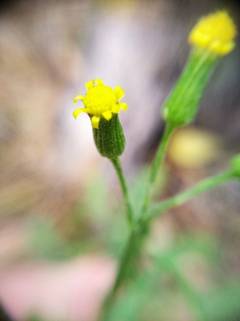
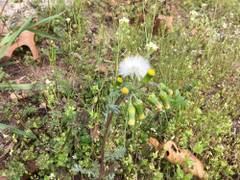
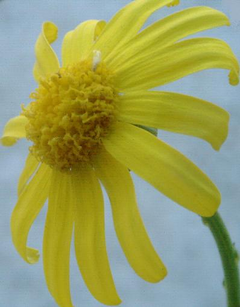
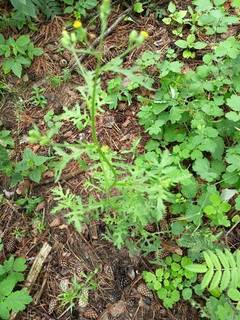
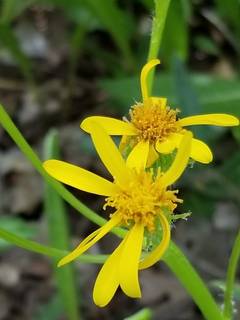
An erect annual to biennial herb reaching 24-80 inches (60-200 cm) tall and 12-24 inches (30-60 cm) wide, with a single ridged stem branching toward the top. Leaves are lance-shaped to oblong, 2-7 inches (5-18 cm) long, green, with toothed margins, stalkless and clasping the stem, reducing in size upward. Flower heads are small and cylindrical, about 0.2-0.3 inch (5-8 mm) long, cream to pale yellow, lacking spreading ray florets, gathered in open branched clusters. Flowering occurs summer through autumn. Seeds are tiny, each carried on a tuft of white hairs that aids wind dispersal. Growth is fast on disturbed and recently burnt ground. All parts contain pyrrolizidine alkaloids that damage the liver if eaten. Plants die after setting seed.
Native Range
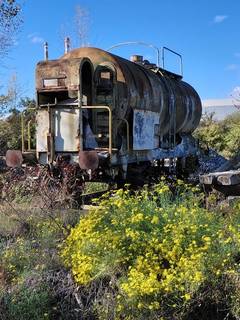
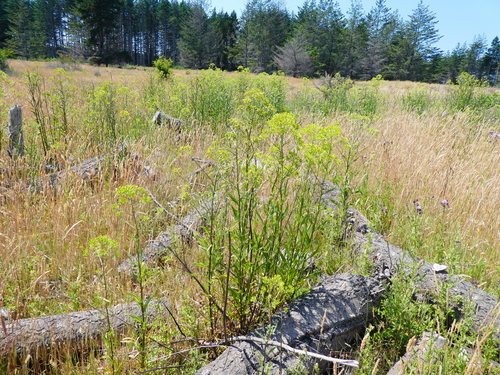
Native to south-eastern Australia, Tasmania, and New Zealand. Grows in open forest, clearings, and disturbed or recently burnt ground, often appearing in large numbers after fire on moist, fertile soils.Suggested Uses
Appears as a pioneer of burnt and disturbed ground rather than a cultivated plant. It occurs in regenerating bushland and fire-affected sites. The toxic foliage and weedy seeding limit any garden use.How to Identify
Appearance
Size & Dimensions
Height2' - 6'8"
Width/Spread1' - 2'
Bloom Information
Detailed Descriptions
Flower Description
Cream to pale yellowFoliage Description
GreenGrowing Conditions
Sun Requirements
Requires 4-9 hours of direct sunlight daily
• Full Sun: 6+ hours of direct sunlight
• Partial Shade: 3-6 hours of direct sunlight
• Full Shade: Less than 3 hours of direct sunlight
Water & Climate
Water Needs
Care & Maintenance
Care Guide
Grows readily on disturbed, moist, fertile ground and needs no cultivation. Tolerates full sun to part shade. Self-seeds heavily, producing dense stands of seedlings, particularly after fire. All parts contain pyrrolizidine alkaloids that cause liver damage in people and livestock if eaten. The wind-borne seeds spread widely into surrounding areas. Plants die after flowering and seeding.Pruning
Cut or pull plants before the seed heads mature to limit spread. Remove whole plants at the base where dense stands are not wanted. No formative pruning applies, as plants are short-lived. The fluffy seeds release readily when the heads are disturbed.Pruning Schedule
Prune: February–March
summer