Senecio, Genus, linearifolius, Species,
- Genus & species
fireweed groundsel
Overview
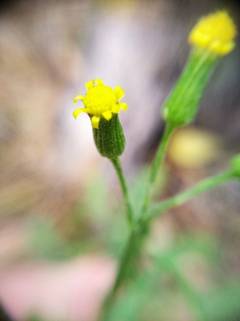
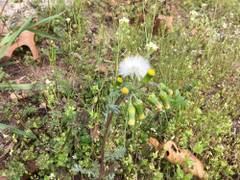
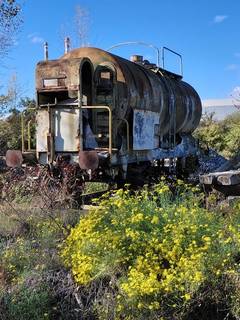
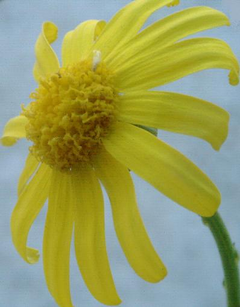
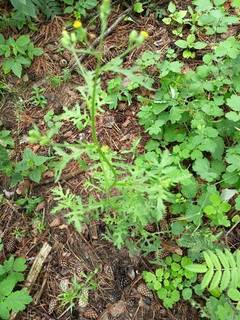
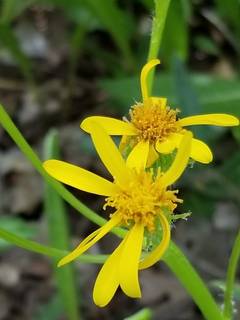
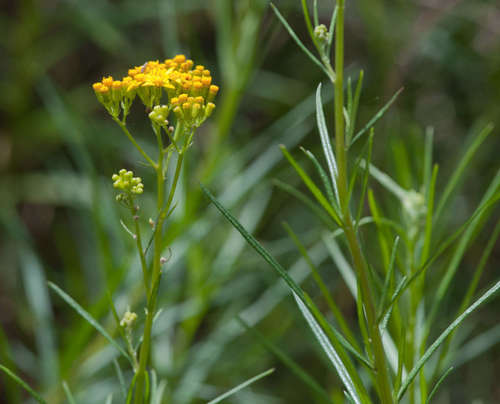
Senecio linearifolius is a soft-wooded evergreen shrub reaching 3-6 feet (1-1.8 m) tall and 2-4 feet (0.6-1.2 m) wide, with upright, sparsely branched stems. Leaves are narrow and lance-shaped to linear, 2-6 inches (5-15 cm) long, green above and paler beneath, with toothed margins and a slightly sticky surface. Clusters of small yellow daisy flower heads, each about 0.3-0.5 inch (8-12 mm) across with a few short ray florets, are held in flattened sprays at the stem tips. Flowering occurs mainly in summer and autumn. The flower heads give way to fluffy seed heads carried on the wind. Growth is fast, and the shrub often appears on disturbed ground and after fire as a short-lived coloniser. All parts contain pyrrolizidine alkaloids that are toxic to the liver if eaten and harmful to grazing animals. Plants are short-lived, declining after 4-6 years, and become woody and open at the base with age.
Native Range
Native to south-eastern Australia, including Victoria, New South Wales, Tasmania, and Queensland. Grows in open forest, gullies, coastal scrub, and disturbed ground, often in moist, sheltered positions.Suggested Uses
Used in native gardens, bush revegetation, and informal screening on moist sites, spaced 3-5 feet (1-1.5 m) apart. Planted for quick cover on disturbed ground while slower plants establish. The toxic foliage and short lifespan limit its use where grazing animals have access.How to Identify
Appearance
Size & Dimensions
Height3' - 6'
Width/Spread2' - 4'
Bloom Information
Detailed Descriptions
Foliage Description
greenGrowing Conditions
Sun Requirements
Requires 4-8 hours of direct sunlight daily
• Full Sun: 6+ hours of direct sunlight
• Partial Shade: 3-6 hours of direct sunlight
• Full Shade: Less than 3 hours of direct sunlight
Care & Maintenance
Care Guide
Grows in full sun to part shade in moist, well-drained soils. Water during the first season to establish; mature plants tolerate short dry spells. Tolerates light to moderate frost. Growth is fast and the shrub becomes open and woody at the base after a few years. All parts contain pyrrolizidine alkaloids that are toxic if eaten and harmful to grazing stock. The species is short-lived and self-seeds, often replacing itself from seedlings rather than persisting as old plants.Pruning
Cut back by up to one third after flowering to maintain density and reduce self-seeding. Tip prune young plants to encourage branching. Old woody plants respond poorly to hard pruning and are usually replaced.Pruning Schedule
Prune: May–June
fallwinter