Image 1 of 19
1 / 19
Plant Reference
Senecio, Genus, vulgaris, Species,
- Genus & species
common groundsel
Overview
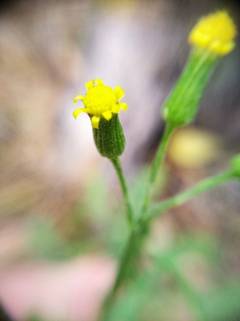
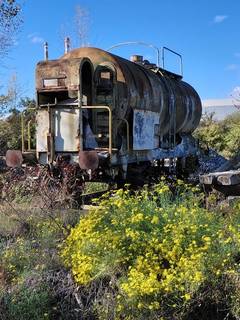
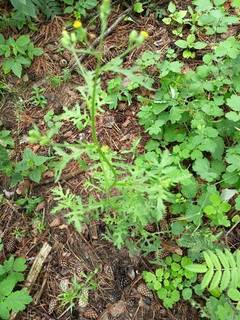
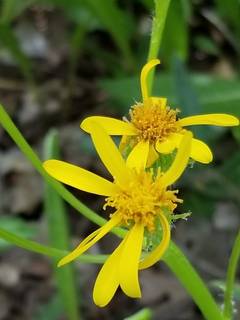
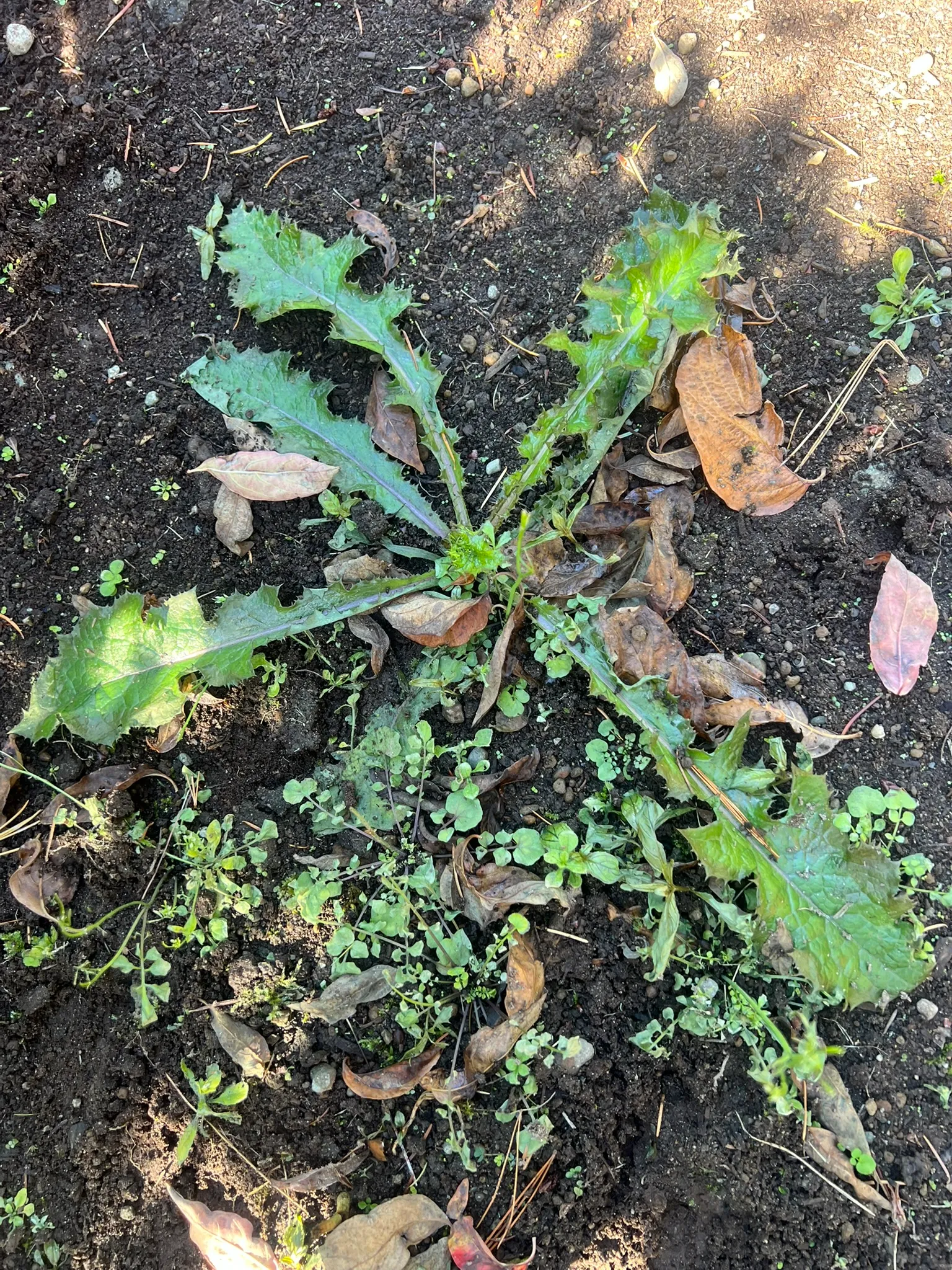
Senecio vulgaris is a low-growing, erect annual in the daisy family (Asteraceae) reaching 4-18 inches (10-45 cm) tall with a 4-10 inch (10-25 cm) spread. Stems are erect, branching, smooth to sparsely hairy, somewhat fleshy. Leaves are alternate, pinnately lobed with irregularly toothed segments, 1-4 inches (2.5-10 cm) long, clasping the stem at the base, smooth to sparsely hairy, somewhat fleshy. Flower heads are small, cylindrical, 0.3-0.4 inch (8-10 mm) long, with yellow disc florets only — completely rayless (no ray florets). Phyllaries have black tips, a diagnostic feature shared with S. sylvaticus. Fruit is an achene with a white pappus, forming a small dandelion-like sphere at maturity. A single plant produces 1,000-15,000 seeds, dispersed by wind. The life cycle completes in 5-6 weeks, with multiple overlapping generations per year. In the Pacific Northwest, flowering and seed production occur nearly year-round. Contains pyrrolizidine alkaloids; toxic to livestock and humans. Common groundsel ranks among the more widespread garden weeds in the Pacific Northwest, appearing in cultivated beds, nursery containers, and disturbed ground year-round.
Native Range
Senecio vulgaris is native to Europe and western Asia, occurring in gardens, nurseries, cultivated fields, and disturbed ground from sea level to approximately 8,000 feet (2,400 m). Naturalized across all 50 U.S. states and all Canadian provinces, the species ranks among the more widespread garden weeds globally.Suggested Uses
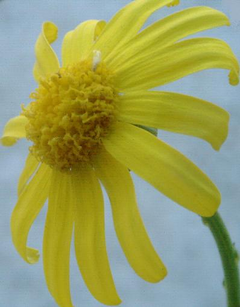
Used in Asteraceae identification for the rayless head comparison: S. vulgaris (rayless) versus S. sylvaticus (short curled-back rays) versus Jacobaea vulgaris (prominently spreading rays). The black-tipped phyllaries are a standard Senecio diagnostic feature. The rapid life cycle and year-round germination are primary teaching examples in weed reproductive biology. The pyrrolizidine alkaloid content is taught in livestock and human toxicology alongside Jacobaea vulgaris and S. sylvaticus.How to Identify
Appearance
Size & Dimensions
Height4" - 1'6"
Width/Spread4" - 10"
Bloom Information
Flowers appear nearly year-round in the Pacific Northwest, completing multiple generations annually. Individual plants complete the life cycle in 5-6 weeks from germination to seed dispersal. The white pappus spheres are visible at any time of year. The species is self-pollinating. Seeds germinate at soil temperatures as low as 40°F (4°C).
Detailed Descriptions
Flower Description
Yellow rayless cylindrical heads 0.3-0.4 inch (8-10 mm); phyllaries with black tipsFoliage Description
Medium green, pinnately lobed with irregularly toothed segments; smooth to sparsely hairy, somewhat fleshyGrowing Conditions
Sun Requirements
Requires 4-10 hours of direct sunlight daily
• Full Sun: 6+ hours of direct sunlight
• Partial Shade: 3-6 hours of direct sunlight
• Full Shade: Less than 3 hours of direct sunlight