Senecio, Genus, spp., Multiple species,
- Genus
- Multiple species
groundsels
Nearly cosmopolitan; all continents except Antarctica
Overview
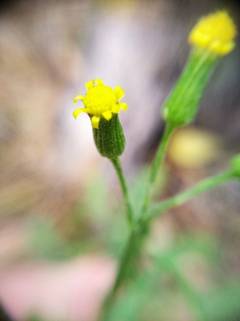
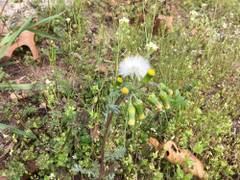
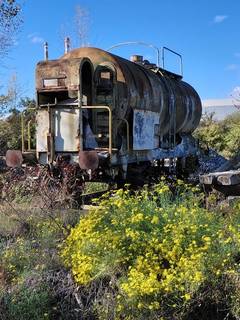
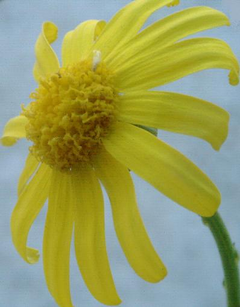
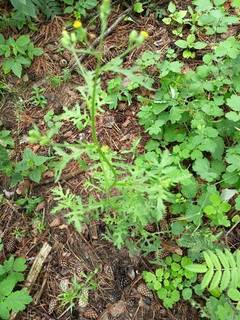
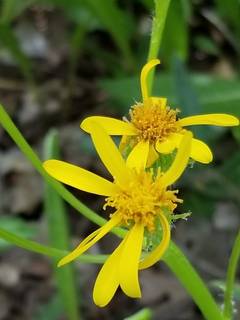
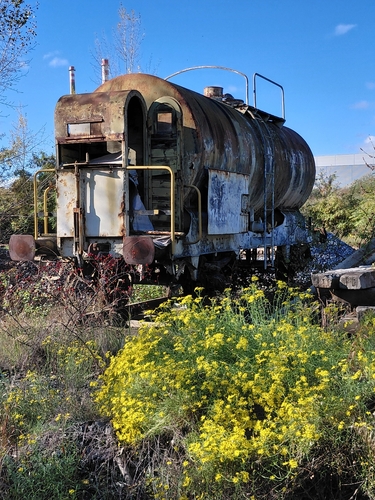
Senecio is among the largest genera in the family Asteraceae, historically holding more than 1,000 species of annuals, perennials, succulents, shrubs, and climbers known broadly as groundsels and ragworts. Recent taxonomic work has moved many species into segregate genera such as Jacobaea and Curio, but a core of roughly 1,000 species remains. Growth forms span low rosettes a few inches high to soft-wooded shrubs 6 feet (1.8 m) tall and trailing succulents with bead-like leaves. Most species carry alternate, often lobed or toothed leaves and clusters of small daisy-like flower heads, typically bright yellow but also cream, orange, red, or purple in some species. The heads measure 0.2 to 1.5 inches (5 to 40 mm) across, with or without spreading ray florets, and ripen into seeds tipped by a soft white pappus that disperses on the wind. Senecio occurs on every continent except Antarctica, in habitats from deserts and high mountains to roadsides and disturbed ground. Many species contain pyrrolizidine alkaloids that are toxic to the liver of livestock, pets, and humans if eaten. Several, including common groundsel (S. vulgaris), are widespread weeds of gardens and farmland that complete several generations a year.
Native Range
Senecio is nearly cosmopolitan, native to every continent except Antarctica and found from sea level to alpine elevations. Centers of diversity lie in southern Africa, the Andes, and the Mediterranean. Species grow in deserts, grasslands, woodlands, wetlands, and heavily disturbed ground.Suggested Uses
Ornamental Senecio are grown for silver foliage in bedding and containers, for trailing succulent forms in hanging pots, and for yellow daisy bloom in borders and rock gardens, spaced 8 to 18 inches (20 to 45 cm) apart by type. Drought-tolerant species suit gravel and coastal plantings. Weedy groundsels and ragworts are not planted and are managed where they invade pasture.How to Identify
Appearance
Size & Dimensions
Height2" - 6'
Width/Spread6" - 3'
Bloom Information
Flowering time varies widely across Senecio; temperate species bloom from spring through autumn, and weedy annuals such as common groundsel flower nearly year-round in mild climates. The yellow to orange heads measure 0.2 to 1.5 inches (5 to 40 mm) across and open in flat-topped or branched clusters. Many species produce several overlapping generations in one season. Bloom is followed quickly by wind-borne seed.
Detailed Descriptions
Flower Description
yellow, cream, orange, red, or purpleFoliage Description
green to silver-gray, fleshy in succulent speciesGrowing Conditions
Sun Requirements
Requires 5-12 hours of direct sunlight daily
• Full Sun: 6+ hours of direct sunlight
• Partial Shade: 3-6 hours of direct sunlight
• Full Shade: Less than 3 hours of direct sunlight
Water & Climate
Water Needs
Drought Tolerance
Drought tolerant when established
Care & Maintenance
Care Guide
Because the genus spans many growth forms, conditions differ by species, but most Senecio grow in full sun to light shade and well-drained soil of moderate fertility at a pH of 6.0 to 7.5. Succulent species require a gritty, fast-draining mix and infrequent water, while herbaceous and shrubby species accept average garden moisture. Most tolerate drought once established and decline in waterlogged ground. Hardiness ranges widely: tender succulents are grown indoors or in USDA zones 9 to 11, while temperate perennials survive to zone 4. Aphids and powdery mildew are the usual problems. All parts of many species contain pyrrolizidine alkaloids that damage the liver of grazing livestock and are unsafe in forage.Pruning
Shrubby and succulent Senecio are trimmed in spring to remove winter-damaged shoots and to shape the plant, and stem tips of trailing succulents are pinched to encourage branching. Herbaceous perennials are cut to the ground after frost. Removing spent flower heads on weedy species before seed sets limits their spread.Pruning Schedule
Prune: March–April
early spring
Container Growing
Suitable for container growing
Minimum container size: 1 gallons