Senecio, Genus, hispidulus, Species,
- Genus & species
hill fireweed
Eastern and southern Australia; New Zealand
SunFull Sun – Part Shade
Overview
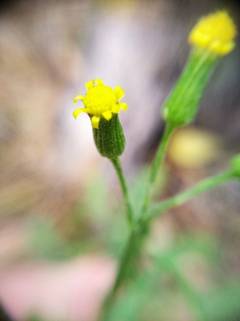
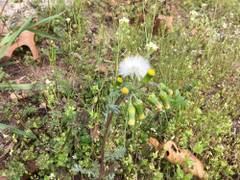
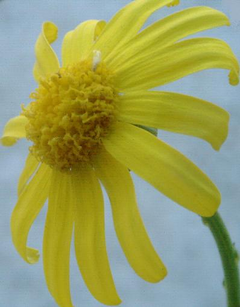
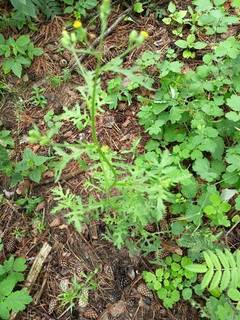
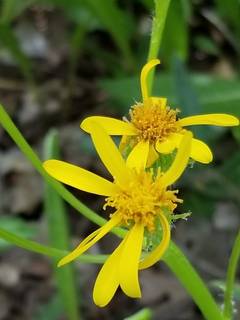
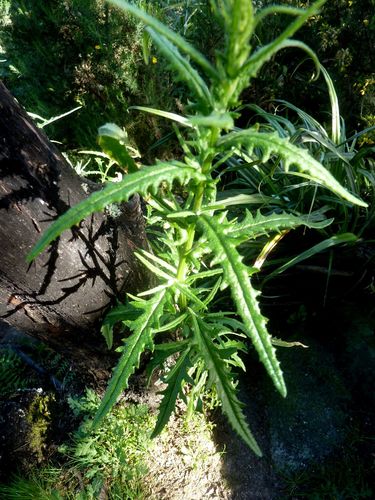
Senecio hispidulus is an erect annual to short-lived perennial herb growing 12-35 inches (30-90 cm) tall, with one or several roughly hairy stems. Leaves are alternate, lance-shaped to oblong, 1-4 inches (2.5-10 cm) long, coarsely toothed, stalkless and partly clasping the stem, with a rough bristly surface. Small cylindrical flower heads about 0.2 inch (5 mm) long are grouped in loose terminal clusters; they are discoid, with yellow tubular florets and no spreading ray petals. Flowering occurs over much of the year, peaking in spring and summer. Each head ripens into seeds carried on a white pappus that disperses on wind. Growth is rapid, completing the cycle from seedling to seed within one season in many sites. Plants are short-lived and self-seed freely, appearing on disturbed ground. Foliage contains pyrrolizidine alkaloids that are poisonous to grazing livestock when eaten in quantity.
Native Range
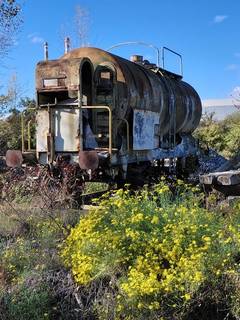
Native to eastern and southern Australia, including Queensland, New South Wales, Victoria, Tasmania, and South Australia, and also native to New Zealand. Grows in open forest, woodland, grassland, and disturbed ground from the coast to subalpine slopes.Suggested Uses
Grown occasionally in native and habitat gardens and used in revegetation of disturbed sites. The self-seeding habit suits informal or meadow plantings but spreads into cultivated beds. Seldom grown in formal gardens because of its weedy growth and short life.How to Identify
Appearance
Size & Dimensions
Height1' - 2'11"
Width/Spread8" - 1'4"
Bloom Information
Detailed Descriptions
Foliage Description
greenGrowing Conditions
Sun Requirements
Requires 4-8 hours of direct sunlight daily
• Full Sun: 6+ hours of direct sunlight
• Partial Shade: 3-6 hours of direct sunlight
• Full Shade: Less than 3 hours of direct sunlight
Water & Climate
Water Needs
Drought Tolerance
Drought tolerant when established