Scleria, Genus, spp., Multiple species,
- Genus
- Multiple species
nutrushes
Tropical and warm temperate regions worldwide
SunFull Sun – Part Shade
WaterHigh
Overview
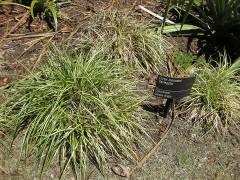
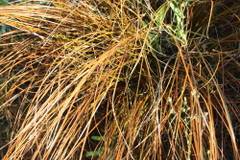
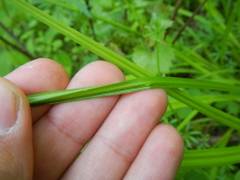
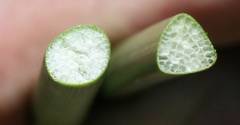
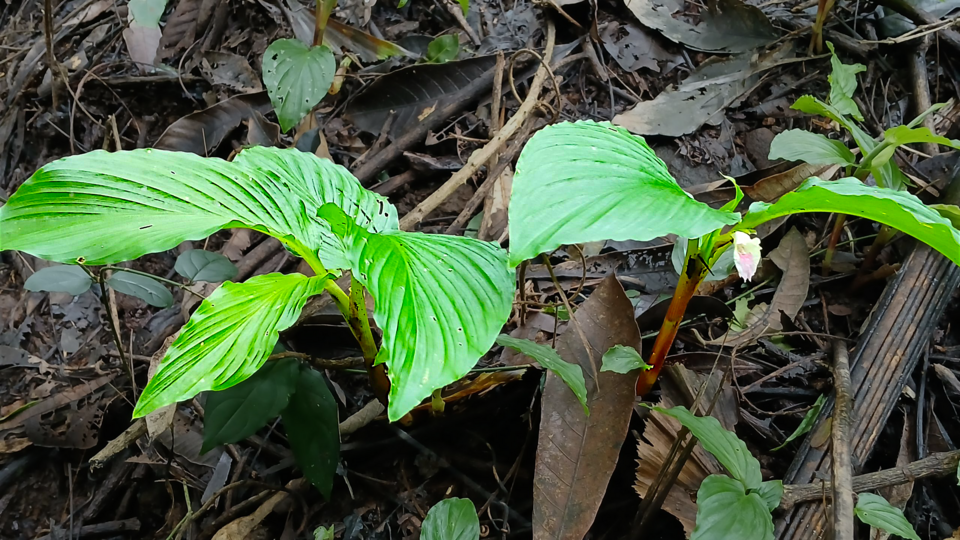
Scleria is a genus of about 250 species of grass-like sedges in the sedge family, found in wetlands and damp ground throughout the tropics and warmer temperate regions worldwide. Plants have the three-sided (triangular) stems typical of sedges and long, narrow leaves whose edges and stem angles are lined with minute, backward-pointing teeth sharp enough to cut skin, which gives many species the name razor sedge or cutgrass. Tiny greenish to brown flowers are carried in branched or spike-like clusters and produce the hard, rounded, often bony-white or gray nutlets (achenes) that give the genus its other common name, nutrush. Species range from small annuals to robust perennials 1 to 5 feet (30 to 150 cm) tall. Most grow in marshes, wet meadows, pond margins, and seasonally flooded ground, and some spread by seed or rhizome into open wet areas where they are treated as weeds. The cutting leaf edges make the plants awkward to handle.
Native Range
Scleria is widely distributed across the wet tropics and subtropics of the Americas, Africa, Asia, and Australia, with a smaller number of species in warm temperate regions, including the southeastern United States. Plants grow in marshes, bogs, wet savannas, ditches, and the margins of ponds and streams. Many species occupy seasonally wet, open ground.Suggested Uses
Grown in bog gardens, rain gardens, pond and stream margins, and wetland restoration, where the plants stabilize wet soil and feed seed-eating birds. The sharp foliage makes the plants unsuited to the edges of paths and seating. Plants are spaced 12 to 24 inches (30 to 60 cm) apart in moist ground.How to Identify
Appearance
Size & Dimensions
Height1' - 5'
Width/Spread1' - 2'
Bloom Information
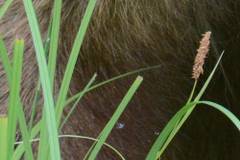
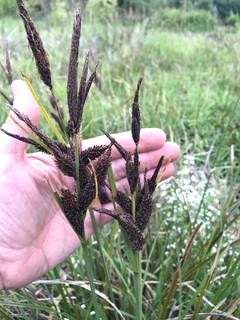
Sedges bear small, wind-pollinated flowers rather than showy blooms, mainly in summer and fall, broadly June to October. Branched clusters of greenish to brown spikelets release pollen and then form the hard nutlets. The nutlets ripen and drop over several weeks and are spread by water and animals.
Detailed Descriptions
Foliage Description
greenGrowing Conditions
Sun Requirements
Requires 4-8 hours of direct sunlight daily
• Full Sun: 6+ hours of direct sunlight
• Partial Shade: 3-6 hours of direct sunlight
• Full Shade: Less than 3 hours of direct sunlight
Water & Climate
Water Needs
Care & Maintenance
Care Guide
Plants grow in full sun to part shade and need constantly moist to wet, acid to neutral soil; they grow well at pond edges and in boggy ground and tolerate seasonal flooding. Growth slows and leaves brown where the soil dries out. Most species need little care once established in suitable wet ground. The saw-toothed leaf and stem edges can cut bare skin. Annual species complete their cycle in one season and return from seed, while perennial species spread by short rhizomes.Pruning
Pruning is limited to cutting back perennial species to near ground level in late winter before new growth and clearing dead annual plants after they seed. Clumps that outgrow their space are dug and divided in spring. No woody pruning applies.Container Growing
Suitable for container growing
Minimum container size: 2 gallons