Image 1 of 16
1 / 16
Plant Reference
Carex, Genus, testacea, Species,
- Genus & species
orange New Zealand sedge
Overview
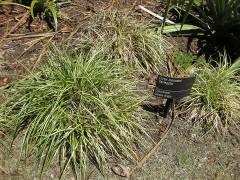
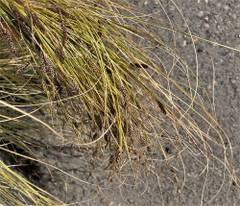
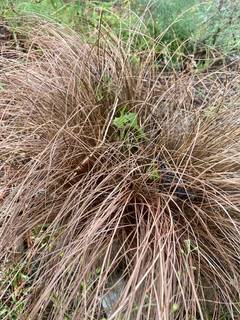
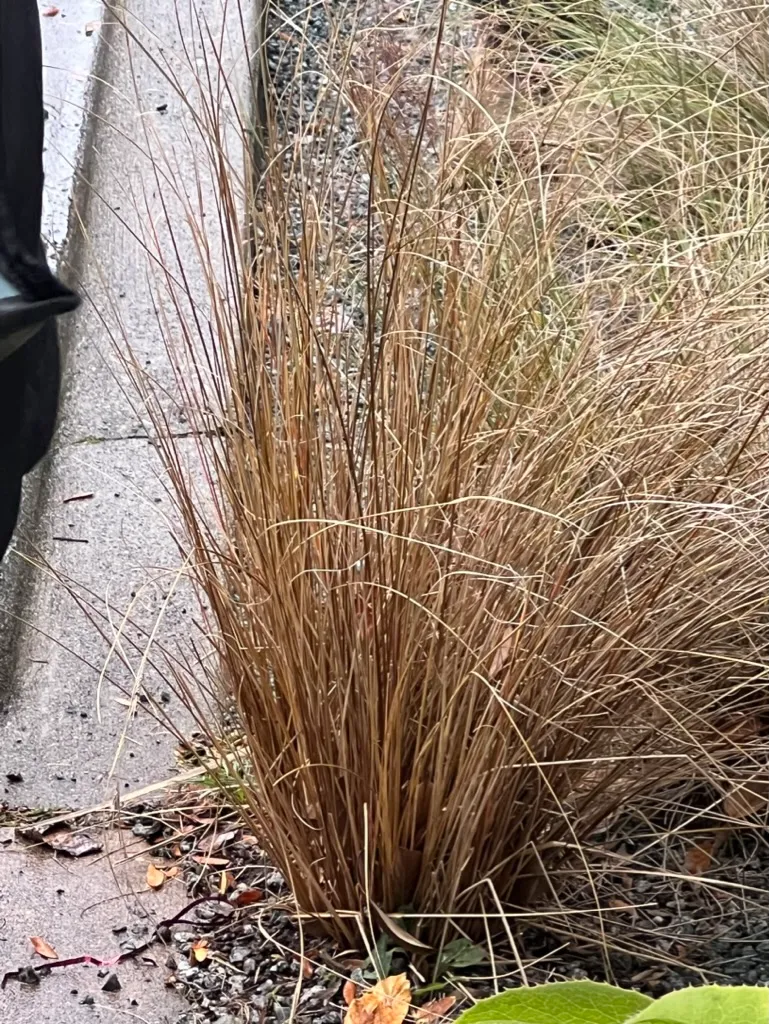
Carex testacea is the orange New Zealand sedge or copper sedge, a clump-forming evergreen grass-like perennial growing 18-24 inches (45-60 cm) tall and 18-24 inches (45-60 cm) wide. Foliage is narrow and arching, with leaves 0.04-0.08 inch (1-2 mm) wide and 12-20 inches (30-50 cm) long, transitioning from olive-green at the base to orange-copper at the leaf tips. Orange coloration intensifies in full sun and cool weather; shade produces greener foliage with reduced orange tints. Brown spikelets emerge on slender stems in late spring; flowers are small, dry, and not showy. The species name 'testacea' translates from Latin as 'brick-colored', referring to the foliage. C. testacea is a true sedge in the family Cyperaceae, distinguished from grasses (Poaceae) by triangular stems. Drought-tolerant once established, adapted to dry summer conditions of New Zealand coastal grasslands. Foliage is damaged below 15°F (-9°C); plants suited to USDA zones 7 to 10. Several New Zealand Carex species share bronze-to-orange coloration: C. buchananii (leatherleaf sedge) shows a more upright habit with fully bronze leaves, while C. flagellifera (weeping brown sedge) shows a more weeping form. Foliage is non-toxic to humans and animals. Plants live 6-10 years in optimal conditions.
Native Range
Native to coastal lowlands of New Zealand (both North and South Islands) at elevations from sea level to 2,500 feet (760 m), growing on open coastal slopes, grasslands, and scrub margins on free-draining soils.Suggested Uses
Grown in mixed borders, gravel gardens, rock gardens, and containers in zones 7 to 10 at 18-24 inch (45-60 cm) spacing. Used as a foliage contrast with blue-foliaged plants such as Festuca glauca and silver-foliaged Artemisia species. Drought-tolerant in dry-summer climates. Non-toxic.How to Identify
Appearance
Size & Dimensions
Height1'6" - 2'
Width/Spread1'6" - 2'
Bloom Information
Late spring (May to June) in temperate latitudes. Brown spikelets emerge on slender stems but are small, dry, and not showy. Foliage color persists year-round, intensifying to orange-copper in full sun during cool spring and fall weather.
Detailed Descriptions
Foliage Description
Olive-green base transitioning to orange-copper tipsGrowing Conditions
Sun Requirements
Requires 5-10 hours of direct sunlight daily
• Full Sun: 6+ hours of direct sunlight
• Partial Shade: 3-6 hours of direct sunlight
• Full Shade: Less than 3 hours of direct sunlight
Care & Maintenance
Care Guide
Full sun produces the most intense orange coloration; shade reduces orange to green tints. Drought-tolerant once established. Foliage damaged below 15°F (-9°C); a 2-3 inch (5-7.5 cm) mulch over the crown reduces winter damage in zone 7. Comb out dead foliage in early spring with gloved fingers to refresh the clump; shearing or cutting to ground level eliminates the evergreen foliage and weakens the plant. Non-toxic; deer and rabbits avoid the foliage. Hardy in USDA zones 7 to 10.Pruning
Comb out dead and brown foliage in early spring with gloved fingers; new green and orange growth emerges from the base over 4-6 weeks. Shearing or cutting to ground level eliminates the evergreen foliage. Divide congested clumps every 3-4 years in spring, separating sections with at least 5-10 stems and intact roots.Pruning Schedule
Prune: March
early spring
Container Growing
Suitable for container growing
Minimum container size: 1 gallons