Scabiosa, Genus, 'Pink Mist', Cultivar,
- Genus
- Cultivar
pink mist scabious
Hybrid of garden origin; {S. columbaria} is native to Europe, western Asia, and Africa; 'Pink Mist' is a compact long-blooming cultivar in the small-flowered scabious group; the 18-week June-October bloom window runs several times the 3-5 week bloom of most summer perennials
Overview
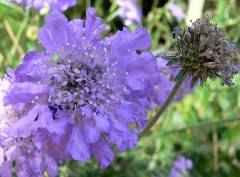
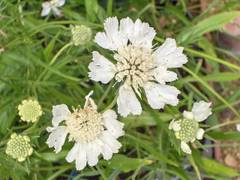
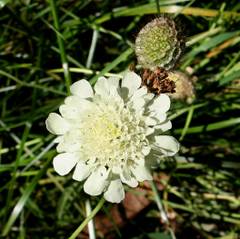
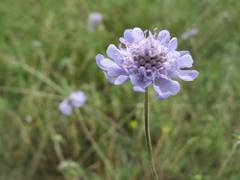
Scabiosa 'Pink Mist' (often listed as S. columbaria 'Pink Mist') is a herbaceous perennial reaching 12-18 inches (30-45 cm) tall with a spread of 12-18 inches (30-45 cm) and a compact mounding habit with slender wiry stems. The cultivar carries pincushion-like flower heads 1.5-2 inches (4-5 cm) across in soft lavender-pink, with protruding stamens giving the pincushion appearance, on slender stems above a mound of narrowly dissected grey-green basal leaves. Flowers open from June through October — an 18-week bloom window that reaches several times past the 3-5 week summer flush of most other perennials when the plant is deadheaded regularly. Growth rate is moderate. Hardy to USDA zone 5. Short-lived at 3-4 years, but the cultivar self-seeds moderately and maintains populations in loose-soil positions. The narrowly dissected foliage and airy flower stems together give a see-through effect in the border, holding visual weight without blocking plantings behind. Crown rot in wet winter soils is the primary cause of loss — sharp drainage during the dormant season is required for reliable overwintering.
Native Range
Scabiosa columbaria is native to Europe, western Asia, and Africa — growing in dry meadows, chalk grasslands, and rocky slopes. 'Pink Mist' is a cultivar selected for the compact habit and the extended bloom window.Suggested Uses
Used in borders, cottage gardens, gravel gardens, and container plantings in zones 5-9 at 12-15 inch (30-38 cm) spacing. The 18-week bloom window from June through October pairs the cultivar with later-blooming perennials for a continuous lavender-pink presence rather than a single midsummer flush. Drought tolerance once established and the alkaline-soil tolerance both suit lean-soil and chalk-grassland-style plantings where richer-soil perennials fail. Containers of 2 gallons (7.5 L) minimum suit the compact habit. Butterfly and pollinator magnet through the full bloom window. Wet soils, heavy clay, and shaded sites all fall outside the cultivar's tolerance range.How to Identify
Appearance
Size & Dimensions
Height1' - 1'6"
Width/Spread1' - 1'6"
Bloom Information
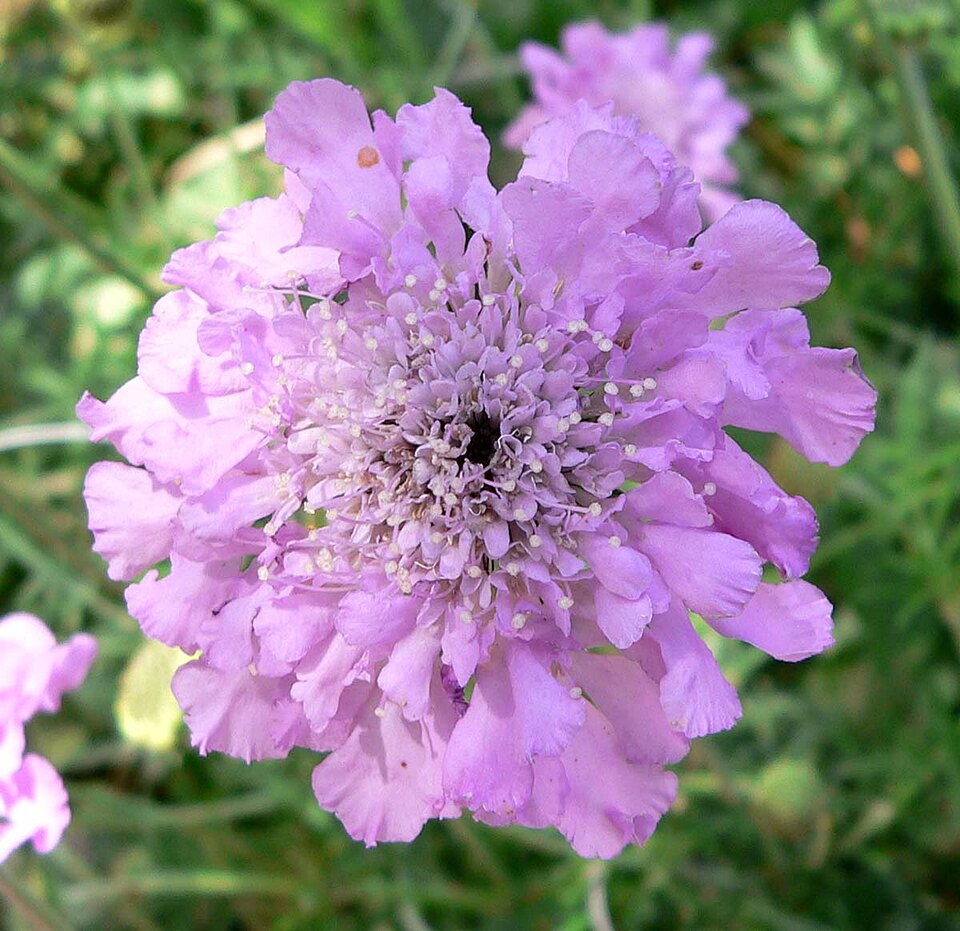
Pincushion-like flower heads 1.5-2 inches (4-5 cm) across in soft lavender-pink with protruding stamens, carried on slender wiry stems, June through October. Bloom duration runs 18 weeks with regular deadheading — several times past the 3-5 week window of most summer perennials. Pollinator and butterfly magnet through the full flowering window.
Detailed Descriptions
Flower Description
Soft lavender-pink pincushion-like flower heads 1.5-2 inches (4-5 cm) across with protruding stamens creating the pincushion effect; borne on slender wiry stems; June through OctoberFoliage Description
Grey-green narrowly pinnately dissected basal leaves forming a low mound; deciduous to semi-evergreen in mild wintersGrowing Conditions
Sun Requirements
Requires 6-10 hours of direct sunlight daily
• Full Sun: 6+ hours of direct sunlight
• Partial Shade: 3-6 hours of direct sunlight
• Full Shade: Less than 3 hours of direct sunlight
Care & Maintenance
Care Guide
Grows in full sun in well-drained lean-to-average soil at pH 6.0-8.0. Hardy to USDA zone 5. Sharp drainage is the baseline requirement — crown rot in wet winter soils is the primary cause of plant loss, and the cultivar suits gravel gardens, raised beds, and slopes where water moves away from the crown. Alkaline-tolerant, so chalk-grassland and limestone-derived soils match the natural habitat of the parent species. Deadhead regularly to support the 18-week bloom window; without deadheading the plant still reblooms but less densely. Short-lived at 3-4 years — plan for either self-seeding replacement or division every 2-3 years to maintain the planting.Pruning
Deadhead spent flower heads regularly through the season to extend bloom into October. Cut back the plant to basal foliage in late autumn (November) before winter. The basal rosette is semi-evergreen in mild winters and should be left in place for cold-weather protection; dead flowering stems can be removed to tidy the form.Pruning Schedule
Prune: November
fall
Container Growing
Suitable for container growing
Minimum container size: 2 gallons