Scabiosa, Genus, caucasica, Species,
- Genus & species
pincushion flower
Caucasus region (Georgia, Armenia, Azerbaijan, northeastern Turkey); alpine and subalpine meadows on well-drained soils
Overview
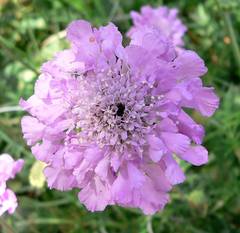
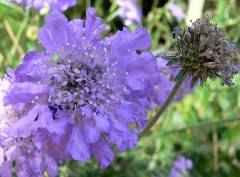
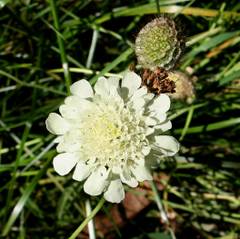
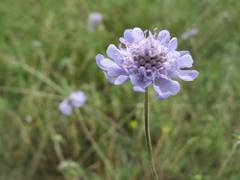
Scabiosa caucasica is the Caucasian pincushion flower, a deciduous perennial reaching 18–24 inches (45–60 cm) tall and 12–18 inches (30–45 cm) wide. From June through September the species carries large domed pincushion flower heads 3–4 inches (7–10 cm) across with ruffled outer florets and a raised central stamen boss, in pale lavender-blue, mid-blue, lilac, violet, or white, on long wiry stems. Head size is larger than Scabiosa columbaria (S. 'Butterfly Blue' produces 1.5–2 inch / 4–5 cm heads on shorter stems) and than the yellow S. ochroleuca (1.5–2 inches / 4–5 cm). Foliage is gray-green — basal leaves lance to lyre-shaped, stem leaves pinnately lobed, 2–4 inches (5–10 cm) long. The species sits in the honeysuckle family (Caprifoliaceae), subfamily Dipsacoideae. A long-standing cut-flower species; cut stems last 7–14 days in water. 'Fama' (deep lavender-blue, 4-inch / 10 cm heads), 'Miss Willmott' (white), and the 'Perfecta' series are commonly available cultivars. Hardy in USDA zones 3–7. The species is not adapted to zones with hot humid summers (zones 8+) and declines quickly in those conditions. Not deer-resistant, non-toxic.
Native Range
Scabiosa caucasica is native to the Caucasus region — Georgia, Armenia, Azerbaijan, and northeastern Turkey — in alpine and subalpine meadows on well-drained soils.Suggested Uses
Planted in cottage gardens, mixed perennial borders, and dedicated cutting gardens at 12–18 inch (30–45 cm) spacing in USDA zones 3–7. The 3–4 inch flower heads on long wiry stems are cut-flower material for arrangements where a single stem carries visual weight. Alkaline tolerance up to pH 8.0 supports use on chalky soils where acid-loving perennials decline. Hot humid summer regions (zones 8+ with high nighttime temperatures), wet winter soils, and gardens without deer exclusion (the species is browsed) fall outside the species' successful cultural range.How to Identify
Appearance
Size & Dimensions
Height1'6" - 2'
Width/Spread1' - 1'6"
Bloom Information
Produces large domed pincushion flower heads 3–4 inches (7–10 cm) across from June through September. Bloom duration is 8–10 weeks with regular deadheading. Flowering slows or stops once the plant sets seed, so deadheading to the nearest lateral bud through the bloom season maintains flower production. Cut stems last 7–14 days in water.
Detailed Descriptions
Flower Description
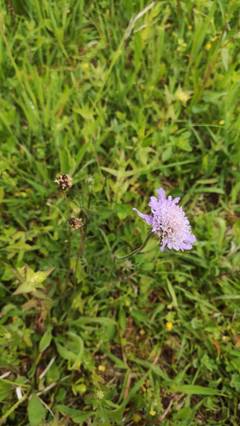
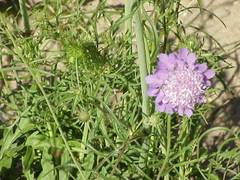
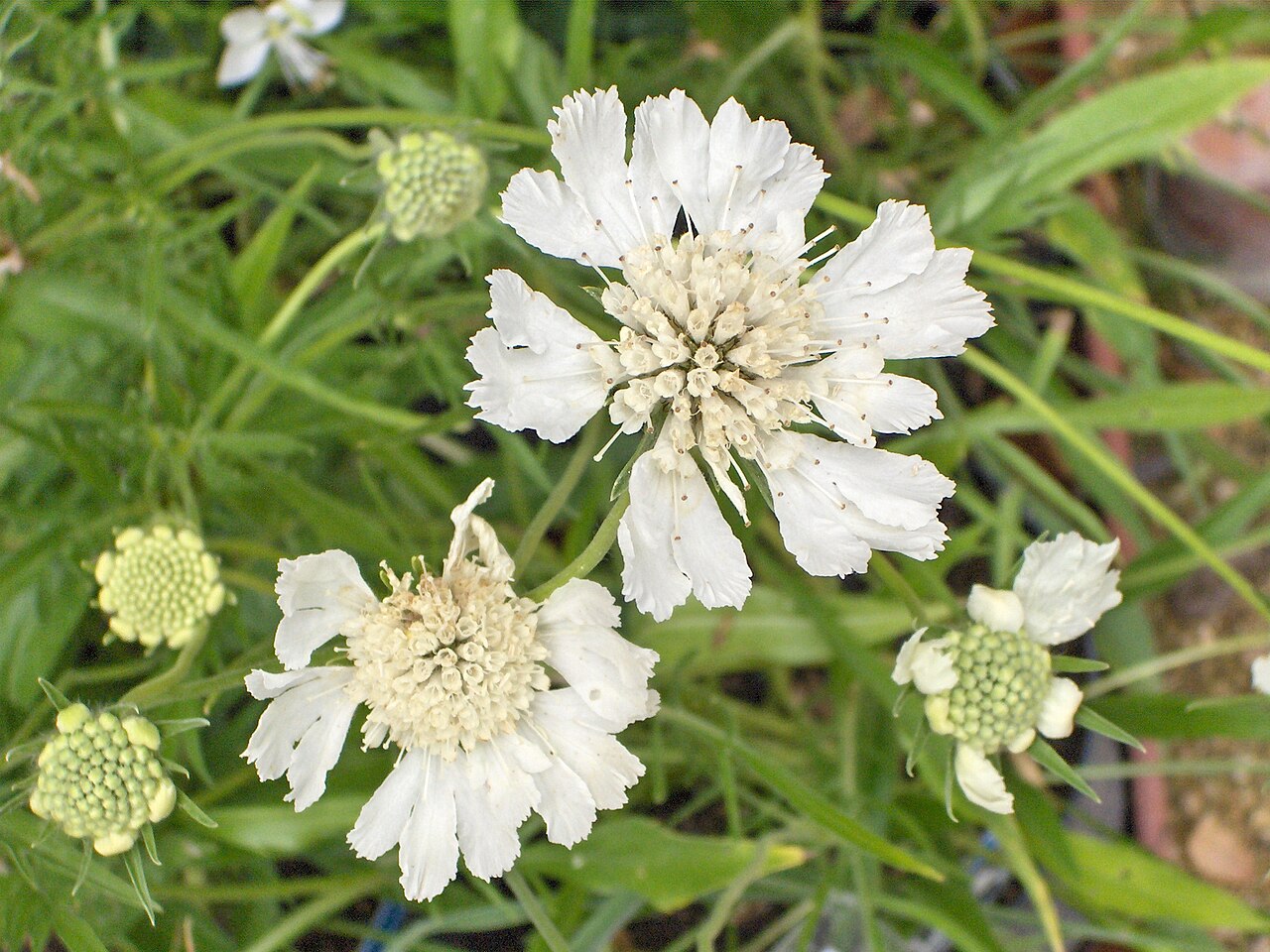
Pale lavender-blue, mid-blue, lilac, violet, or white; large domed pincushion heads 3–4 inches (7–10 cm) with ruffled outer florets and a raised central stamen boss; on long wiry stemsFoliage Description
Gray-green; basal leaves lance to lyre-shaped; stem leaves pinnately lobed; 2–4 inches (5–10 cm)Growing Conditions
Sun Requirements
Requires 6-12 hours of direct sunlight daily
• Full Sun: 6+ hours of direct sunlight
• Partial Shade: 3-6 hours of direct sunlight
• Full Shade: Less than 3 hours of direct sunlight
Care & Maintenance
Care Guide
Plant in full sun in lean well-drained loamy, sandy, or chalky soil at pH 6.5–8.0. Hardy in USDA zones 3–7. Sharp drainage is required; wet winter soils cause crown rot. Deadheading promptly to the nearest lateral bud through the bloom season maintains flower production — plants stop flowering quickly once seed set begins. The species does not tolerate hot humid summer conditions, so gardens in USDA zones 8 and warmer where summer nights stay above 70°F (21°C) are outside the species' adapted range; in those climates the plant often fails after a single season. Division every 3–4 years in spring manages congested clumps.Pruning
Deadhead spent flower heads promptly to the nearest lateral bud through the bloom season (July and August). Cut stems back to the basal foliage in October after the final flush. Division every 3–4 years in spring maintains vigor and produces starts for expanding the planting. No winter protection is required in the species' hardiness range.Pruning Schedule
Prune: July–August & October
summerfall