Scabiosa, Genus, ochroleuca, Species,
- Genus & species
yellow pincushion
Central and eastern Europe (Germany, Austria, Hungary, Ukraine, Balkans), the Caucasus, and western Asia; dry grasslands, steppes, rocky slopes, and open scrub
Overview
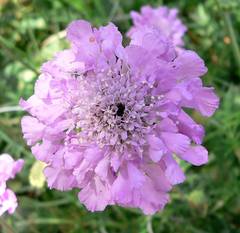
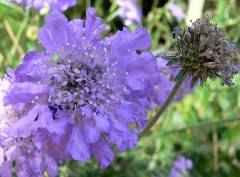
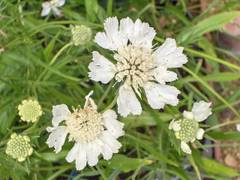
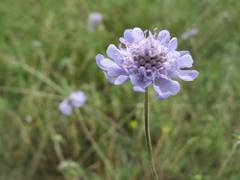
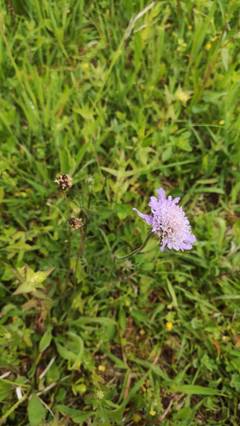
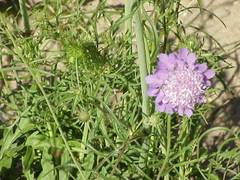
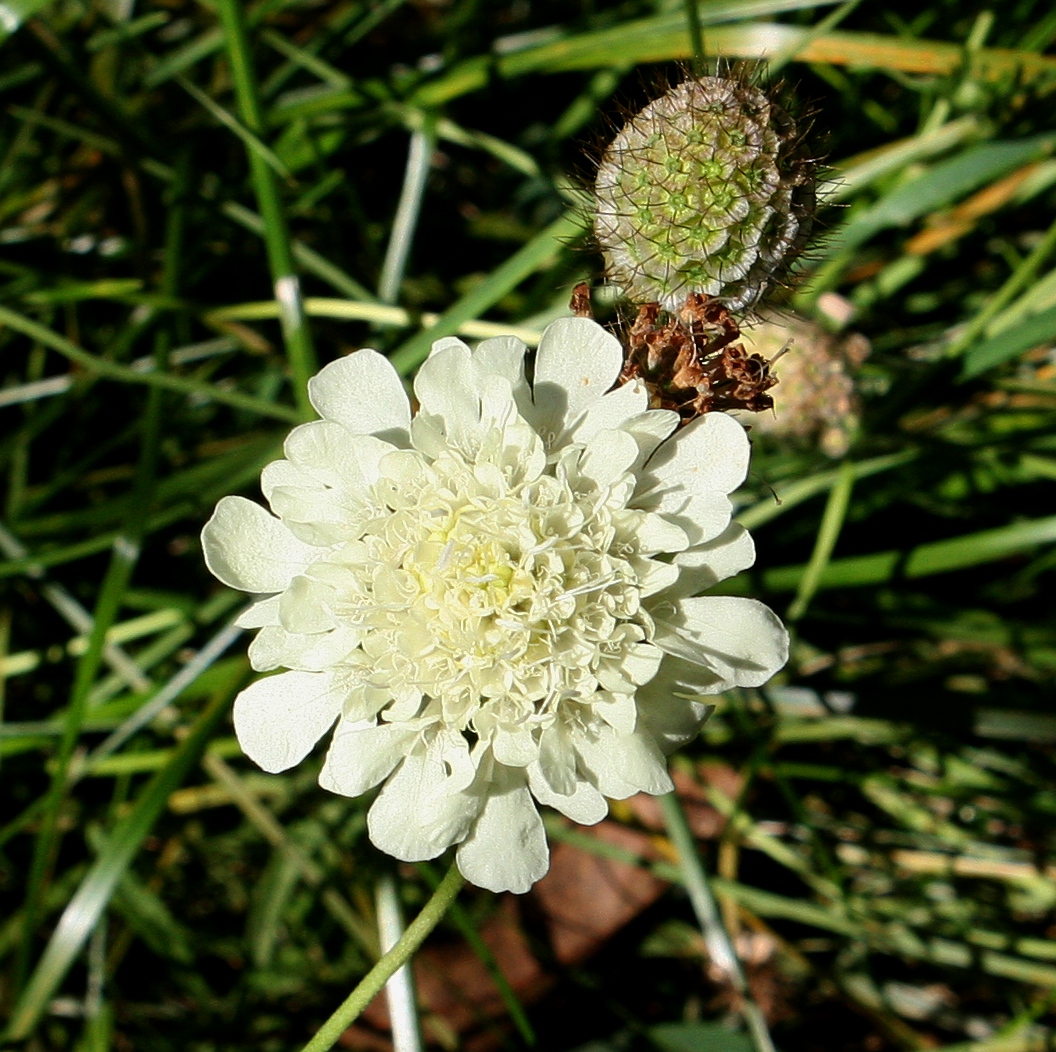
Scabiosa ochroleuca is yellow pincushion, a slender branching short-lived perennial or biennial in the honeysuckle family (Caprifoliaceae), native to the dry grasslands, steppes, rocky slopes, and open scrub of central and eastern Europe, the Balkans, the Caucasus, and western Asia. Plants form basal rosettes of pinnately lobed gray-green leaves with branching wiry flowering stems 24–36 inches (60–90 cm) tall that create an open airy canopy from July through October. Solitary domed pincushion flower heads 1.5–2 inches (4–5 cm) across are held on slender branching stems in soft cream to pale sulfur-yellow — the only pincushion flower species in common garden cultivation with yellow blooms. Outer florets are larger and slightly lobed; inner florets form the raised central dome characteristic of the genus. The flowers are a strong butterfly and beneficial-insect nectar source in the second half of the growing season. The species self-seeds freely in appropriate conditions and maintains self-sustaining colonies over time, flowering more heavily in lean well-drained soils than in rich garden beds. Non-toxic, deer-resistant.
Native Range
Scabiosa ochroleuca is native to central and eastern Europe (Germany, Austria, Hungary, Ukraine, the Balkans), the Caucasus, and western Asia, in dry grasslands, steppes, rocky slopes, and open scrub on well-drained calcareous to neutral soils in full sun.Suggested Uses
Planted in naturalistic meadow gardens, cottage borders, and gravel gardens at 12–18 inch (30–45 cm) spacing in USDA zones 5–9, where self-seeding can develop naturalized colonies. The pale yellow pincushion flower heads on airy branching stems weave through mixed borders as a filler between more structural plants, and fill the yellow color slot in late-summer combinations with Echinacea purpurea, Rudbeckia fulgida, and ornamental grasses such as Panicum virgatum or Sporobolus heterolepis. Rich soils that push leggy growth, wet clay soils, and gardens that require a contained non-spreading perennial fall outside the species' adapted use.How to Identify
Appearance
Size & Dimensions
Height2' - 3'
Width/Spread1' - 1'6"
Bloom Information
Produces solitary pale cream to sulfur-yellow pincushion flower heads 1.5–2 inches (4–5 cm) across continuously from July through October — a 14–16 week bloom window — with new flowers opening on branching stems throughout the window. Spent flower heads retain moderate visual interest as dried inflorescences. Allowing a proportion of heads to mature each year supplies seed for self-sustaining colony maintenance.
Detailed Descriptions
Flower Description
Soft cream to pale sulfur-yellow; solitary domed pincushion heads 1.5–2 inches (4–5 cm) with a raised central dome; the only yellow-flowered pincushion in common cultivationFoliage Description
Gray-green; pinnately lobed basal rosette leaves; branching wiry stemsGrowing Conditions
Sun Requirements
Requires 6-8 hours of direct sunlight daily
• Full Sun: 6+ hours of direct sunlight
• Partial Shade: 3-6 hours of direct sunlight
• Full Shade: Less than 3 hours of direct sunlight
Care & Maintenance
Care Guide
Plant in full sun in lean well-drained neutral to alkaline sandy, chalky, rocky, or loamy soil at pH 6.5–8.0. Hardy in USDA zones 5–9. Sharp drainage is required; wet or clay-heavy soils cause root rot in winter. Lean or gravelly soils produce the most floriferous and most reliably self-sustaining plants — rich soils reduce flowering and push leggy growth. Allowing a few plants each year to set seed maintains self-sustaining colonies over time. In colder zones, the species performs as a biennial; sowing seed in early summer produces plants that flower the following year.Pruning
Deadhead some spent stems to prolong the display, but leave a proportion of heads to mature and self-seed for next year's plants. Cut the entire plant to ground level after the first hard frost or in late fall. Self-seeded seedlings appear in spring; thinning to 12–18 inch (30–45 cm) spacing supports the strongest flowering performance.Pruning Schedule
Prune: October–November
fall