Sanguinaria, Genus, spp., Multiple species,
- Genus
- Multiple species
bloodroot
Overview
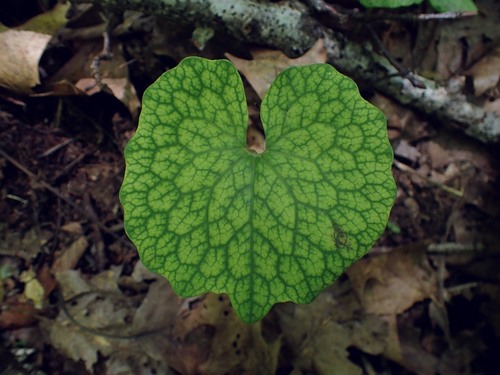
Sanguinaria is a monotypic genus in the poppy family (Papaveraceae) consisting of the single species Sanguinaria canadensis, native to eastern North America. It is a low spring-flowering woodland perennial 6-10 inches (15-25 cm) tall, spreading 6-12 inches (15-30 cm) by a thick branching rhizome that exudes red-orange sap when cut. Each growth point produces one rounded, deeply lobed grey-green leaf 4-8 inches (10-20 cm) wide that wraps the emerging flower bud. The flower opens before the leaf expands, a solitary white bloom 1-2 inches (2.5-5 cm) across with 8-12 narrow petals around a cluster of yellow stamens. Double-flowered forms hold their petals longer. Flowering lasts only a few days per bloom, and the petals drop quickly in wind or heat. The leaf enlarges after flowering and persists into summer, then yellows and dies back, leaving the plant dormant by late summer in dry sites. The red sap contains alkaloids that are toxic if eaten and can irritate skin.
Native Range
Native to eastern North America, from Nova Scotia and Quebec west to Manitoba and south to Florida and Texas. It grows in rich, moist deciduous woodland, on wooded slopes, and along streambanks in dappled shade and humus-rich soil.Suggested Uses
Grown in shade and woodland gardens, native-plant borders, and under deciduous trees and shrubs, spaced 8-12 inches (20-30 cm) apart. It naturalizes into ground-covering colonies in moist, humus-rich shade. The early flowers combine with other spring woodland plants such as Trillium, Mertensia, and ferns, though the foliage disappears by late summer.How to Identify
Appearance
Size & Dimensions
Height6" - 10"
Width/Spread6" - 1'
Colors
Bloom Information
Flowers open in early spring, roughly March to April, as the leaves emerge, and individual blooms last only 1-3 days. The whole flowering period for a colony spans about 1-2 weeks. Cold weather lengthens the bloom, while warmth or wind shortens it; petals drop soon after pollination.
Detailed Descriptions
Foliage Description
grey-greenGrowing Conditions
Sun Requirements
Requires 2-5 hours of direct sunlight daily
• Full Sun: 6+ hours of direct sunlight
• Partial Shade: 3-6 hours of direct sunlight
• Full Shade: Less than 3 hours of direct sunlight
Care & Maintenance
Care Guide
Grows in part to full shade in moist, humus-rich, well-drained, slightly acidic to neutral soil with a pH from 5.5 to 7.0. Steady moisture in spring supports growth and a longer leaf season; dry soil causes early dormancy by midsummer. A loose mulch of leaf litter keeps the rhizomes cool and moist and mimics the woodland floor. The plant spreads slowly into colonies and is left undisturbed once placed. All parts, especially the rhizome and its red sap, contain alkaloids that are toxic if ingested and can irritate skin. Few pests trouble it, though slugs may graze the young leaves.Pruning
No pruning is needed. Spent flowers fall on their own, and the leaves are left to die back naturally in summer so the rhizome can store energy. Self-sown seedlings can be lifted in spring if the colony spreads beyond its space.Container Growing
Suitable for container growing
Minimum container size: 1 gallons