Image 1 of 14
1 / 14
Plant Reference
Eschscholzia, Genus, californica, Species,
- Genus & species
California poppy
California and the western United States; also northwestern Mexico; grasslands, coastal scrub, roadsides, and disturbed sites — naturalized worldwide in Mediterranean climates
Overview
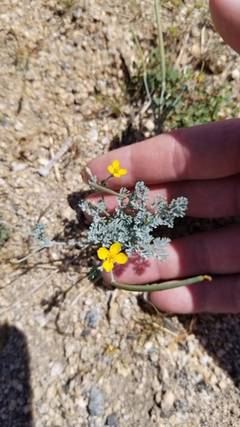
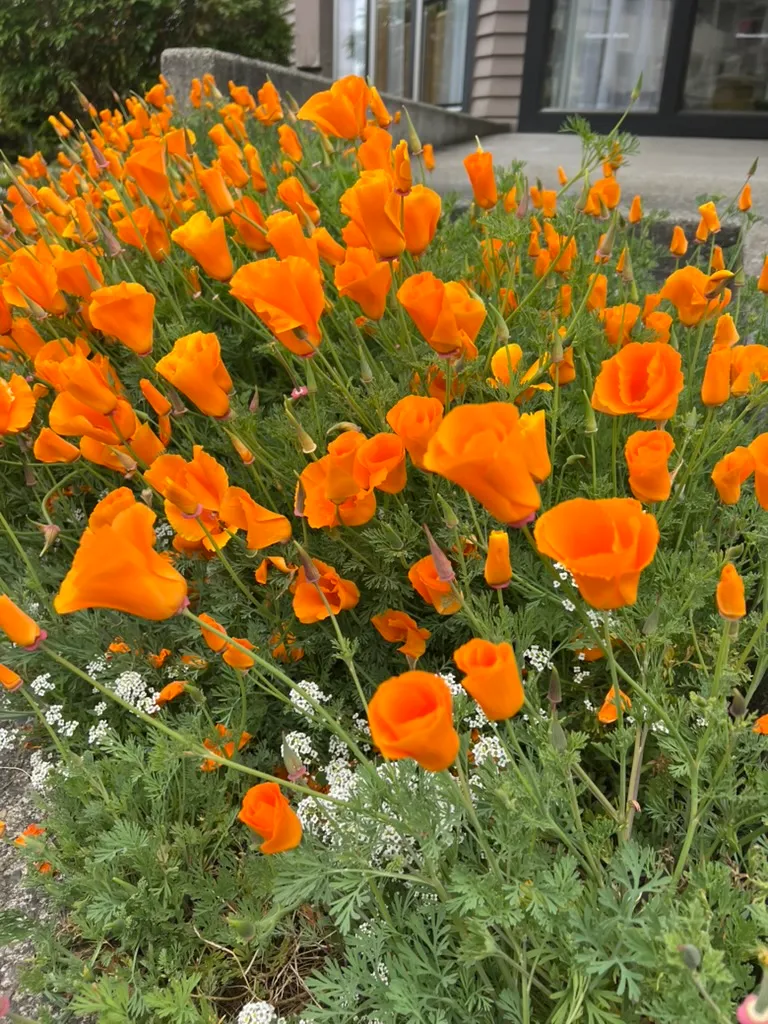
Eschscholzia californica is California poppy, a mounding annual (short-lived perennial in zones 8-10) growing 6-12 inches (15-30 cm) tall and 6-12 inches (15-30 cm) wide. Vivid orange 4-petaled silky cup-shaped flowers 1-2 inches (2.5-5 cm) in February-July (10 weeks). Flowers open in sunlight and close at night and on cloudy days. Cultivated selections in yellow, cream, pink, red, and bicolor. Blue-green to gray-green finely dissected feathery glaucous foliage 2-4 inches (5-10 cm). In Papaveraceae. The state flower of California. Native to California and the western United States. Direct-sow only — the long taproot does not tolerate transplanting. Self-sows freely by explosively splitting seed pods. Rich soil and overwatering cause floppy leggy growth with reduced flowering — lean dry soil and full sun are required for compact growth and dense bloom. This intolerance of rich moist conditions is the primary cultural limitation. Seed pods split explosively when ripe. Deer-resistant. Drought-tolerant. Toxic to cats and dogs. Zones: grown as a cool-season annual. Full sun. Growth rate is fast.
Native Range
Native to California and the western United States, also northwestern Mexico. Found in grasslands, coastal scrub, roadsides, and disturbed sites. Naturalized worldwide in Mediterranean climates.Suggested Uses
Grown in wildflower meadows, dry slopes, gravel gardens, and roadside plantings, spaced 6 inches (15 cm). Direct-sow in lean dry soil. Self-sows. Do not fertilize or overwater. Toxic to pets. Native to California.How to Identify
Appearance
Size & Dimensions
Height6" - 1'
Width/Spread6" - 1'
Bloom Information
Detailed Descriptions
Flower Description
Vivid orange (wild form), 1-2 inches (2.5-5 cm), 4 silky petals in a cup shape; cultivated selections in yellow, cream, pink, red, and bicolor; flowers open in sunlight and close at night and in cloudy weatherFoliage Description
Blue-green to gray-green, finely dissected into thread-like segments, feathery, glaucous (waxy bloom on surface), 2-4 inches (5-10 cm)Growing Conditions
Sun Requirements
Requires 6-12 hours of direct sunlight daily
• Full Sun: 6+ hours of direct sunlight
• Partial Shade: 3-6 hours of direct sunlight
• Full Shade: Less than 3 hours of direct sunlight
Care & Maintenance
Care Guide
Full sun (6+ hours). Well-drained lean sandy or rocky soil pH 6.0-8.0. Do not enrich soil or overwater — rich moist conditions cause floppy growth and reduced bloom. Drought-tolerant. Direct-sow only (no transplanting). Self-sows freely. Toxic to pets. Deer-resistant.Pruning
Shear back by 1/3 in late spring (May-June) when the first flush of bloom declines — a fresh flush of growth and flowers follows. Allow seed pods to mature for self-sowing, or remove to extend bloom.Pruning Schedule
Prune: May–June
late springsummer
Toxicity Warning
Toxic to petsPlanting Guide
Planting Methods & Timing
Planting Method
direct sow
Direct Sow Timing
Direct sow outdoors in fall (zones 8-10) or early spring as soon as soil is workable. Scatter seed on bare soil and press in lightly — do not cover (seeds need light). Germinates in 10-14 days at 55-65°F (13-18°C). Does not transplant well (taproot).
Days to Maturity
60–90 days
Plant Spacing
6 inches